The surprising stories behind everyday things

Roots on Fork

The surprising stories behind everyday things


Latest Articles

Before McDonald's, There Was Harvey: The Railroad Chain That Invented Fast Food
Food & Culture

Before McDonald's, There Was Harvey: The Railroad Chain That Invented Fast Food

Decades before Ray Kroc opened the first McDonald's, Fred Harvey was perfecting standardized menus, timed service, and consistent quality across dozens of railroad restaurants. His Harvey Houses accidentally wrote the playbook that every fast food chain still follows today.

The Plumber's Midnight Snack That Conquered American Refrigerators
Food & Culture

The Plumber's Midnight Snack That Conquered American Refrigerators

Ranch dressing wasn't invented in a test kitchen or restaurant—it was whipped up by a plumber in an Alaskan work camp who just wanted to make bland food taste better. Somehow, that midnight experiment became America's most obsessive condiment relationship.

The Enslaved Boy Who Broke Mexico's Monopoly on America's Favorite Flavor
Food & Culture

The Enslaved Boy Who Broke Mexico's Monopoly on America's Favorite Flavor

For centuries, Mexico controlled the world's vanilla supply through a secret pollination process. Then a 12-year-old enslaved boy named Edmond Albius figured out how to replicate nature's work with his bare hands, accidentally democratizing one of America's most beloved flavors.

When Dirty Hands Made History: The Sweet Mistake That Changed American Kitchens Forever
Food & Culture

When Dirty Hands Made History: The Sweet Mistake That Changed American Kitchens Forever

A tired chemist at Johns Hopkins forgot to wash his hands after work one evening in 1879, and that simple oversight led to the discovery of artificial sweetener. What started as a laboratory accident would eventually survive presidential bans and health scares to become a staple in diners and diet sodas across America.

The Doctor's Fever Dream That Accidentally Revolutionized American Kitchens
Food & Culture

The Doctor's Fever Dream That Accidentally Revolutionized American Kitchens

Mechanical refrigeration was invented in the 1840s to save surgical patients from deadly fevers in sweltering hospital wards. The idea of keeping food cold was almost an afterthought—until this medical device accidentally transformed how every American family shops, cooks, and thinks about leftovers.

The Grocery Store Wanderer Who Built a Breakfast Empire with Circus Candy
Food & Culture

The Grocery Store Wanderer Who Built a Breakfast Empire with Circus Candy

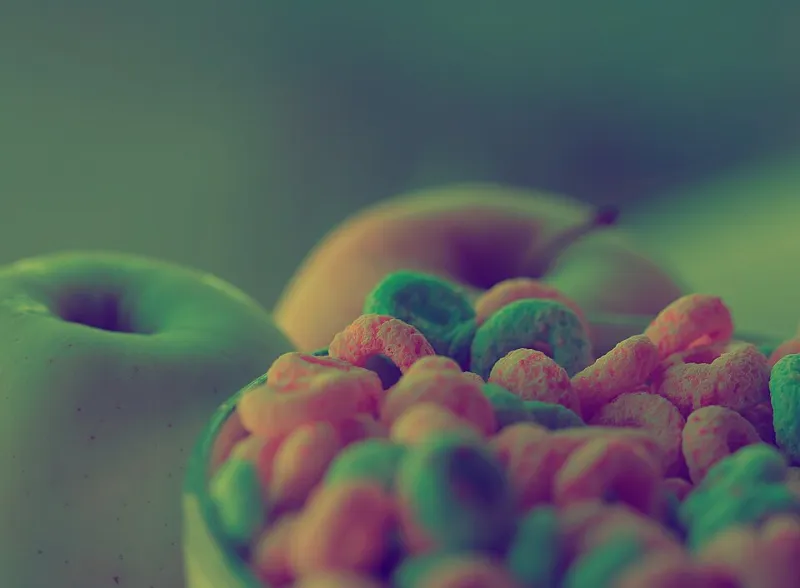
In 1963, a General Mills employee walking through a grocery store had a bizarre idea: what if breakfast cereal contained actual candy? His kitchen experiment with circus peanuts launched Lucky Charms and fundamentally changed how America markets food to children.

The Burning Question: How Polite Society Decided Your Coffee Cup Needed a Handle
Food & Culture

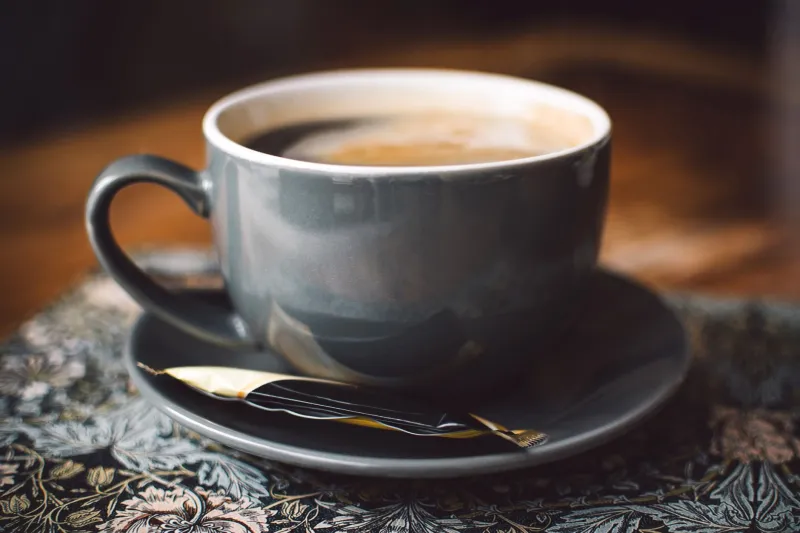
The Burning Question: How Polite Society Decided Your Coffee Cup Needed a Handle

For thousands of years, humans drank hot beverages from handle-free bowls and cups without complaint. The familiar coffee mug handle is actually a recent invention tied to changing European ideas about proper manners and the rise of coffee house culture. Here's how a simple loop of clay became essential to civilized drinking—and why your office mug carries centuries of social history.

From Ancient Tree Sap to Baseball Stadium Ritual: The Wild Story Behind America's Chewing Habit
Food & Culture

From Ancient Tree Sap to Baseball Stadium Ritual: The Wild Story Behind America's Chewing Habit

Long before Americans were blowing bubbles and sticking gum under desks, ancient Mayans were chewing tree sap for fresh breath. The path from jungle ritual to billion-dollar habit involves a Mexican general, a failed rubber experiment, and a photographer who saw opportunity where everyone else saw waste. Here's how a 2,000-year-old tradition accidentally became America's most mindless daily ritual.

How Napoleon's Empty Stomach Accidentally Built Every American Pantry
Food & Culture

How Napoleon's Empty Stomach Accidentally Built Every American Pantry

Before Napoleon's armies marched hungry across Europe, preserving food meant salting, smoking, or hoping for the best. The French emperor's military crisis sparked an invention that would quietly revolutionize American kitchens forever. Today, the average American family has dozens of cans in their cupboards, never realizing they're eating from Napoleon's leftovers.

When Battlefield Hunger Invented the Way America Eats Together
Food & Culture

When Battlefield Hunger Invented the Way America Eats Together

Before the Civil War, American hospitals expected families to bring food to patients. Then battlefield nurses faced thousands of wounded soldiers with no one to cook for them, and their desperate solution became the blueprint for every cafeteria in the country.

The Victorian Hangover Joke That Became America's Weekend Sacred Ritual
Food & Culture

The Victorian Hangover Joke That Became America's Weekend Sacred Ritual

In 1895, a British writer casually suggested combining breakfast and lunch to cure Saturday night overindulgence. Nobody expected this throwaway joke to evolve into a multi-billion dollar American obsession that would define weekend culture for generations.

The Brewery Neighbor Who Accidentally Sparked America's Soda Obsession
Food & Culture

The Brewery Neighbor Who Accidentally Sparked America's Soda Obsession

Joseph Priestley was just trying to understand the strange gases floating over his neighbor's beer vats in 1767. He had no idea his curiosity would eventually fill every American refrigerator with fizzy drinks and create a multi-billion dollar industry.

When Workers Carried Dinner in Tobacco Tins: The Industrial Origins of the Lunchbox
Food & Culture

When Workers Carried Dinner in Tobacco Tins: The Industrial Origins of the Lunchbox

Long before cartoon characters decorated school lunchboxes, American workers repurposed tobacco tins and syrup pails to carry meals to factories and mines. This humble container didn't just hold food—it helped create the modern lunch break.

The Caribbean Secret Behind America's Backyard Obsession
Food & Culture

The Caribbean Secret Behind America's Backyard Obsession

Nothing says "American summer" like backyard barbecue, but this beloved tradition actually began with Indigenous Caribbean cooking techniques that traveled through slavery and colonization to become the most fiercely debated food culture in the United States.

The Revolutionary Rope That Taught America How to Wait
Food & Culture

The Revolutionary Rope That Taught America How to Wait

Every day, millions of Americans form orderly lines without thinking twice about it. But this simple act of civilized waiting has roots in 19th-century farming practices that forever changed how we organize society.

The Holy Accident That Made Every Celebration Pop: When a Monk's Wine Went Wrong and Created History
Food & Culture

The Holy Accident That Made Every Celebration Pop: When a Monk's Wine Went Wrong and Created History

Dom Pérignon didn't set out to invent champagne—he was actually trying to fix what he thought was ruined wine. The bubbles that now define celebration were once considered a catastrophic failure in 17th-century France.

The 15-Minute Break That Took Decades to Negotiate
Food & Culture

The 15-Minute Break That Took Decades to Negotiate

Your daily coffee break isn't an ancient workplace tradition—it's the result of a clever 1950s lobbying campaign that turned coffee industry profits into union bargaining chips. Most workers assume it's always existed, but it's barely older than your parents.

The Missouri Jeweler Who Spent 16 Years Solving a Problem Nobody Had
Food & Culture

The Missouri Jeweler Who Spent 16 Years Solving a Problem Nobody Had

Otto Rohwedder wasn't a baker—he was a jeweler obsessed with a mechanical challenge. His 16-year quest to slice bread by machine faced ridicule, fires, and financial ruin before becoming the standard we can't imagine living without.

The Dirty Hands That Sweetened America — How a Forgotten Dinner Created a Food Revolution
Food & Culture

The Dirty Hands That Sweetened America — How a Forgotten Dinner Created a Food Revolution

In 1879, Constantin Fahlberg skipped washing his hands after work and accidentally discovered saccharin during dinner. His coal tar experiment oversight launched the artificial sweetener industry and forever changed how Americans consume sugar.

The Butcher Who Accidentally Invented Year-Round Strawberries
Food & Culture

The Butcher Who Accidentally Invented Year-Round Strawberries

Gustavus Swift just wanted to ship beef cheaper from Chicago to New York. His obsession with cutting costs accidentally created the technology that puts fresh produce in your grocery cart every January.