The Stinking Rose Revolution: How Immigrant Kitchens Secretly Converted America to Garlic
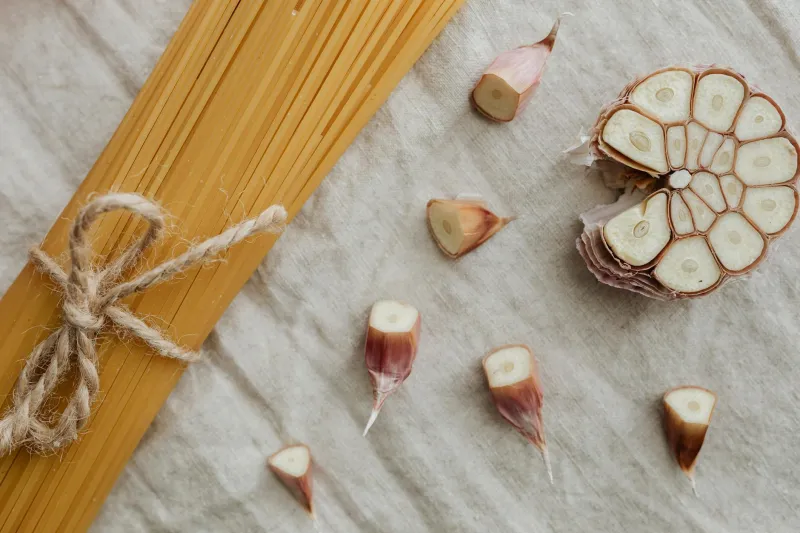
Open any American cookbook from 1900 and you'll struggle to find garlic mentioned. Check a contemporary cookbook and it appears in nearly every savory recipe. This dramatic transformation didn't happen through food marketing or celebrity chefs. It was the quiet work of immigrant communities who refused to abandon the flavors of home.
When Garlic Meant "Other"
Early American cooking inherited British sensibilities that prized subtle flavors and gentle seasonings. Garlic, with its pungent aroma and bold taste, violated every principle of "proper" American cuisine.
Worse, garlic carried social baggage. It was associated with Italian laborers, Greek fishermen, and Eastern European factory workers—groups that mainstream America viewed with suspicion. Using garlic in your cooking was like announcing your foreign origins to anyone within smelling distance.
Respectable American cooks avoided it entirely, sticking to mild herbs like parsley and sage. Cookbooks occasionally mentioned garlic for "foreign dishes," always with warnings about its strong flavor and suggestions for removal before serving.
The Underground Flavor Network
But in ethnic neighborhoods across America, garlic never disappeared. Italian families in Boston's North End rubbed it into their bread. Greek communities in Chicago built entire dishes around it. Eastern European immigrants in New York's Lower East Side couldn't imagine cooking without it.
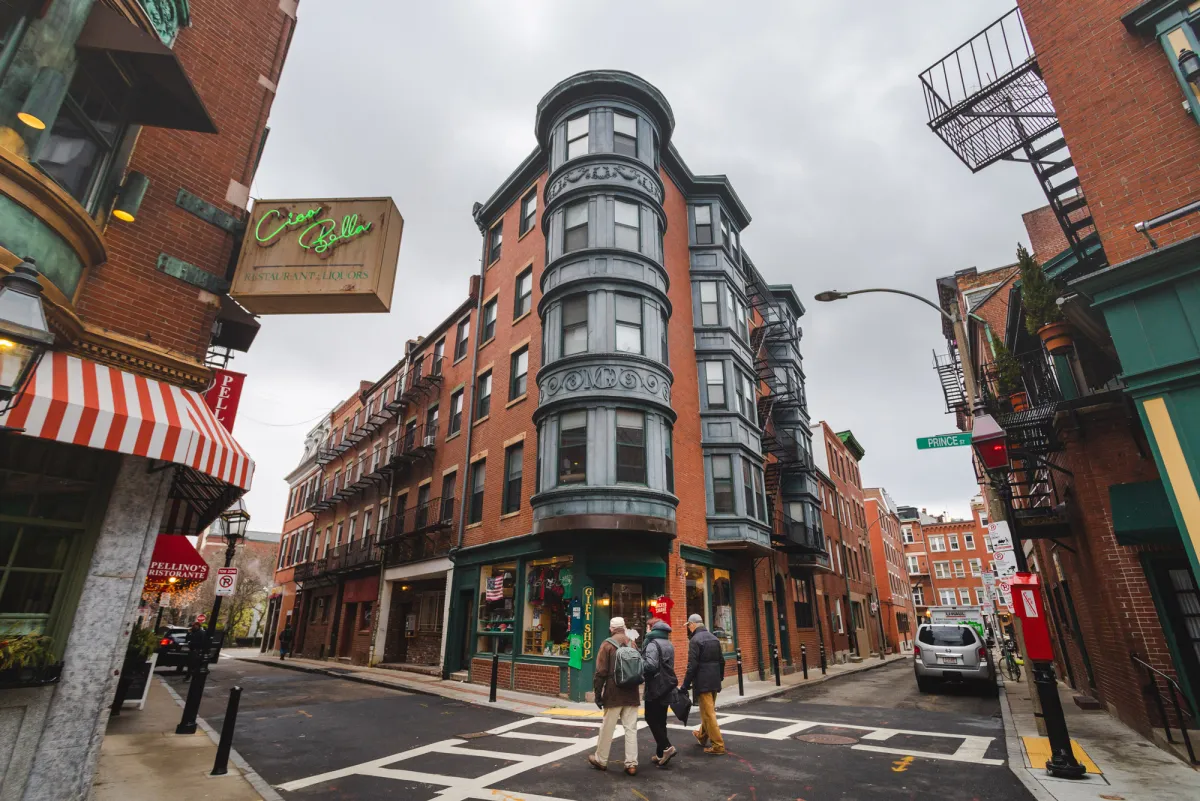 Photo: Boston's North End, via www.bu.edu
These communities created their own food networks. Italian grocers imported garlic from California farms started by other Italian immigrants. Greek restaurants served moussaka and tzatziki to homesick customers. Jewish delicatessens offered garlic-heavy dishes alongside traditional pickles and cured meats.
Mainstream America largely ignored these ethnic food cultures, dismissing them as foreign curiosities that would eventually fade as immigrants assimilated.
The Stealth Conversion Begins
The conversion started slowly, almost invisibly. Non-ethnic customers began visiting Italian restaurants, initially drawn by low prices rather than authentic flavors. They discovered that garlic-enhanced dishes tasted better than they expected.
Greek diners offered affordable meals to working-class Americans who gradually developed a taste for garlic-seasoned lamb and vegetables. Jewish delicatessens attracted customers with their garlic-heavy sausages and pickled foods.
Each positive experience broke down resistance. Americans who would never buy garlic for home cooking found themselves enjoying it in restaurant settings.
World War II Changes Everything
The war accelerated garlic's acceptance in unexpected ways. American soldiers stationed in Italy, Greece, and France encountered garlic-heavy cuisines and developed appreciation for bolder flavors.
Meanwhile, rationing at home made strongly flavored ingredients more valuable. When meat was scarce, garlic could make simple vegetables taste more satisfying. Victory gardens encouraged Americans to grow their own food, including garlic cloves that immigrant neighbors shared.
Food magazines began featuring "international" recipes as a way to add variety to wartime meals. Garlic appeared in these dishes, no longer marked as foreign but as sophisticated.
The Health Food Movement's Unexpected Ally
The 1960s health food movement gave garlic its biggest boost. Nutritionists discovered that garlic contained beneficial compounds that could lower cholesterol and boost immune systems. Suddenly, the "stinking rose" became a health food.
This reframing was crucial. Garlic was no longer just an ethnic ingredient—it was a superfood that health-conscious Americans should embrace. Natural food stores began selling garlic supplements alongside fresh bulbs.
Cookbooks started featuring garlic prominently, often with detailed explanations of its health benefits. What had once been whispered about in immigrant kitchens was now shouted from mainstream health magazines.
Julia Child's Garlic Moment
Julia Child's television shows and cookbooks completed garlic's transformation from immigrant ingredient to American staple. When she demonstrated French cooking techniques that relied heavily on garlic, she gave middle-class Americans permission to embrace bold flavors.
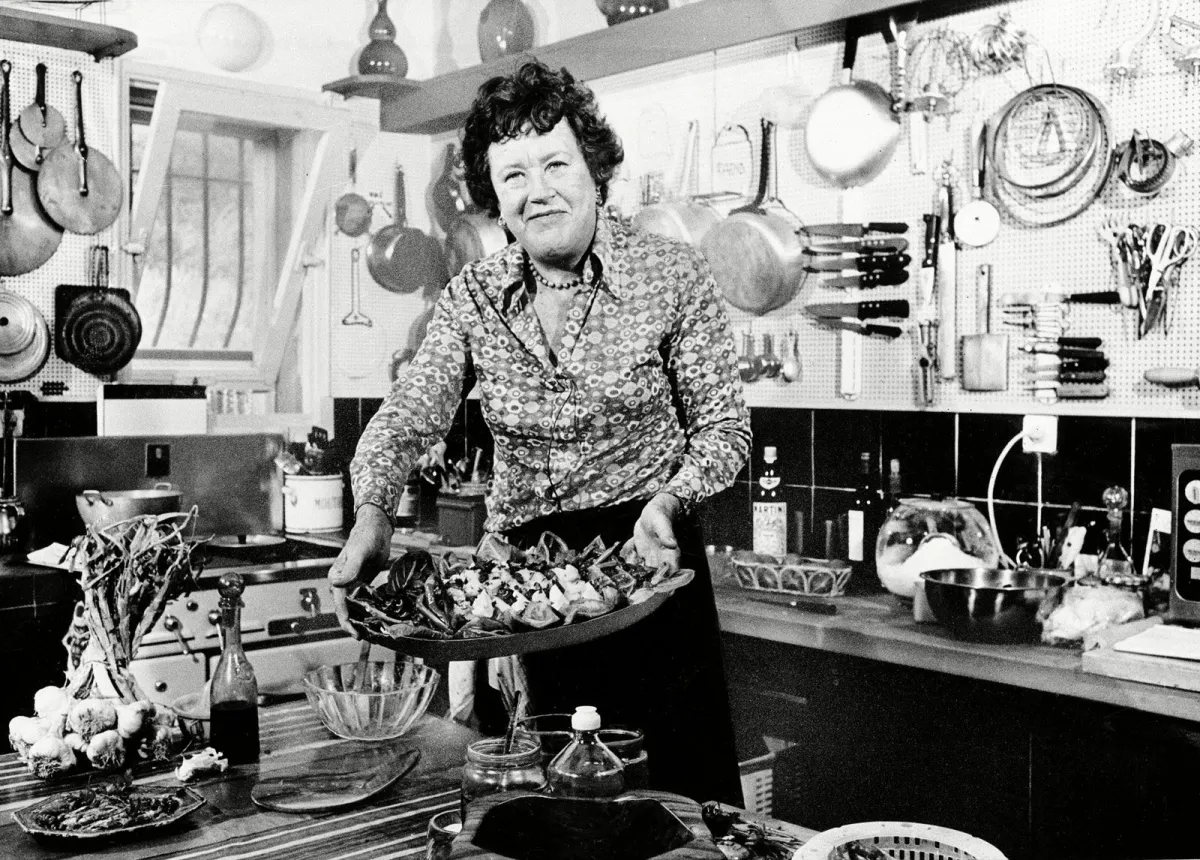 Photo: Julia Child, via cdn.britannica.com
Child's approach was crucial because she presented garlic as sophisticated rather than ethnic. French cuisine had cultural prestige that Italian or Greek food lacked in the 1960s. If the French used garlic extensively, it must be refined.
Her detailed explanations of garlic preparation techniques—how to crush it, when to remove the green germ, how to control its intensity—gave nervous American cooks the confidence to experiment.
The Suburban Surrender
By the 1970s, garlic had conquered suburban America. Supermarket produce sections began stocking fresh garlic bulbs alongside onions and potatoes. Garlic powder appeared in spice racks next to traditional American seasonings.
Food processors and garlic presses made preparation easier for cooks intimidated by chopping techniques. Pre-minced garlic in jars eliminated the last barriers for hesitant home cooks.
Restaurant chains began featuring garlic-heavy dishes. Pizza shops offered "garlic bread" as a standard side. Italian-American restaurants proudly advertised "garlic-loaded" pasta dishes.
From Shame to Celebration
The transformation was complete when garlic festivals began appearing across America. The Gilroy Garlic Festival in California, started in 1979, celebrated the ingredient that previous generations had hidden or avoided.
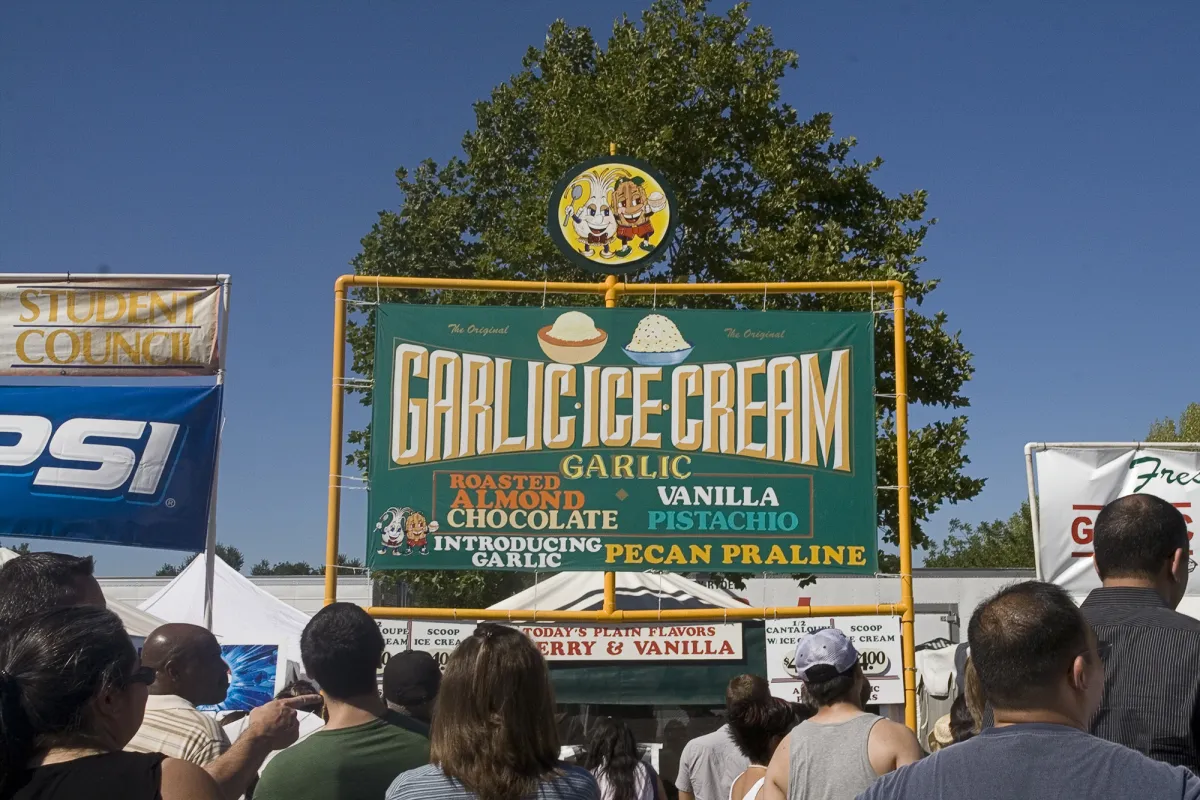 Photo: Gilroy Garlic Festival, via nypost.com
Today, garlic appears in cuisines that never traditionally used it. American barbecue rubs feature garlic powder. Tex-Mex dishes rely on garlic-heavy salsas. Even traditional Southern cooking has embraced garlic in ways that would shock earlier generations.
The Quiet Victory
The story of garlic in America reveals how cultural change really happens. It wasn't imposed from above through marketing campaigns or government programs. Instead, immigrant communities quietly maintained their food traditions while gradually sharing them with neighbors and customers.
Each shared meal, each positive restaurant experience, each health study slowly shifted American attitudes. What began as a marker of foreign otherness became a symbol of culinary sophistication.
Today's Americans use more garlic per capita than many countries where it's traditionally grown. The ingredient once used to identify outsiders now unites American cuisine across all cultural backgrounds.
Sometimes the most profound revolutions happen one dinner table at a time.