How Grief Taught America to Cook Together
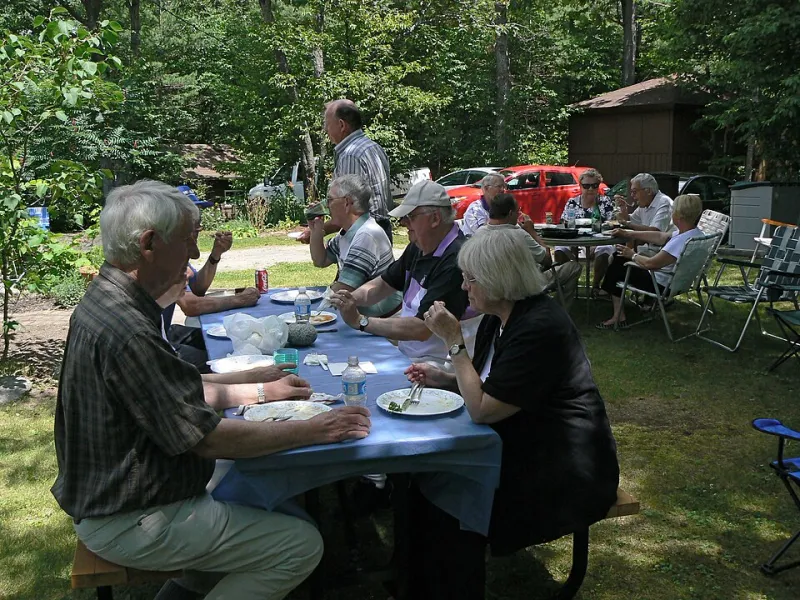
Photo: CDHS, No restrictions, via Wikimedia Commons
Somebody always brings the green bean casserole. Somebody else shows up with a slow cooker full of pulled pork and a look of quiet pride. There's inevitably a pasta salad, a sheet cake, and at least one dish that generates polite uncertainty. The American potluck is one of the most democratic food traditions in the country — casual, communal, and completely taken for granted.
What almost nobody knows is where it actually came from.
The potluck didn't begin at a block party. It didn't start in a church basement or a company break room. It started at a funeral.
When Neighbors Fed the Grieving
For most of American history — and long before that, across the European cultures that eventually settled here — the death of a community member triggered an immediate, organized response. Neighbors cooked. Not because anyone planned it or sent out a sign-up sheet, but because showing up with food was simply what you did. It was one of the oldest and most instinctive expressions of solidarity humans have.
In early American frontier communities, this impulse was as practical as it was emotional. A family in mourning couldn't tend their farm, manage their livestock, or spend hours over a cookstove. They were overwhelmed. The community stepped in to fill the gap, and food was the most immediate and tangible form that help could take.
European immigrant communities brought deeply rooted versions of this tradition with them. German settlers in Pennsylvania, Scandinavian communities in the Midwest, Irish Catholic parishes in New England — each group carried their own specific rituals around the funeral meal, but the underlying logic was identical. Death required food. Food required community. Community showed up.
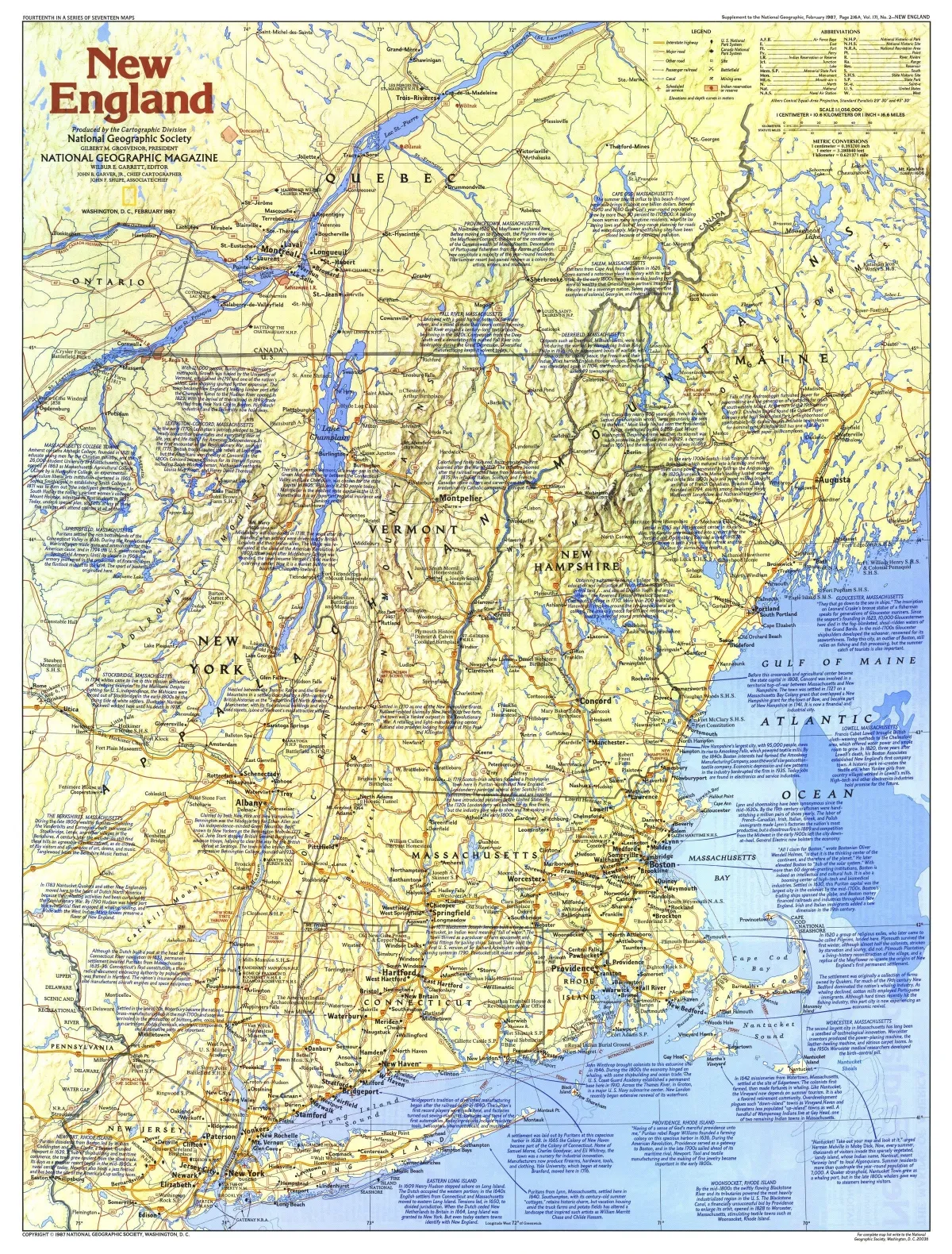 Photo: New England, via cdn.shopify.com
The dishes were carried in by hand, wrapped in cloth, set on whatever table the grieving family had available. There was no theme, no coordination, no guarantee of balance. People brought what they had and what they could make. It was, in the most literal sense, a covered-dish gathering.
The Church Basement as Transition Space
By the mid-nineteenth century, American Protestant churches had begun formalizing the post-funeral meal in a way that would prove historically significant. The church basement — a practical architectural feature that had become standard in rural American congregations — became the designated gathering place after a burial service.
Women of the congregation would organize the cooking, and the meal itself took on a ritualized quality. It was expected, structured, and deeply communal. Members knew their role: you cooked when someone died. You brought a dish. You stayed and ate together and talked about the person you'd lost.
What happened next is where things get interesting. Those same church communities started using the same format — the same bring-a-dish, eat-together structure — for events that had nothing to do with death. Harvest celebrations. Homecoming Sundays. Fundraisers. The mechanics of the funeral meal were so well-established, so familiar, that they simply got repurposed.
The grief fell away. The covered dishes stayed.
The Word Nobody Can Quite Explain
The term "potluck" itself has a history worth pausing on. It appears in English as far back as the sixteenth century, originally meaning whatever happened to be cooking in the pot when an unexpected guest arrived — luck of the pot, essentially. If you showed up unannounced for dinner, you ate whatever the household had on hand. No guarantees. No menu.
By the time the word entered American usage more broadly in the late nineteenth and early twentieth centuries, it had shifted to describe something slightly different: a shared meal where everyone contributed a dish and the collective result was the feast. The luck wasn't about what was already in the pot. It was about the unpredictable combination of what everyone brought.
The word was a perfect fit for a tradition that had evolved from improvised grief cooking into something more organized but still wonderfully unpredictable.
From Mourning to Celebration
The full transition from funeral tradition to general social occasion happened gradually across the early twentieth century, accelerated by a few specific cultural forces.
The Great Depression made communal eating a practical necessity for millions of American families. If a neighborhood wanted to celebrate anything — a birthday, a graduation, a holiday — pooling resources was the only realistic option. The potluck wasn't just traditional; it was economical. Everyone contributed what they could afford, and the result was almost always more abundant than any single household could have managed alone.
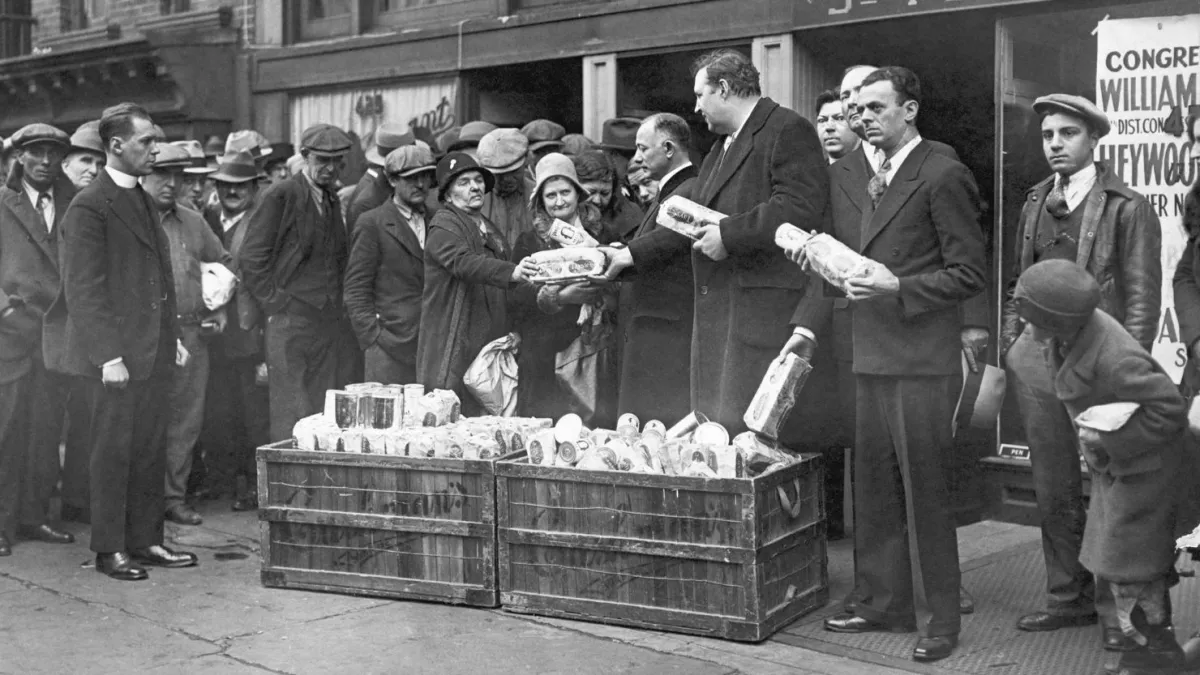 Photo: Great Depression, via media.cnn.com
At the same time, women's clubs, civic organizations, and church groups were expanding rapidly in American communities, and the potluck became a standard format for their gatherings. It was egalitarian in a way that felt genuinely American: no one person was expected to host everything, no one family bore the full burden, and everyone had a stake in the meal.
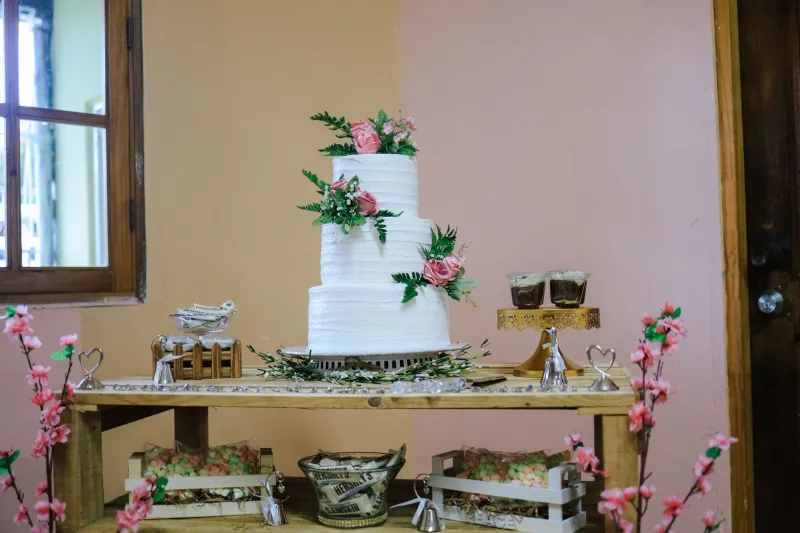
By the 1950s, the potluck had fully shed its association with mourning and become a fixture of suburban social life. Neighborhood block parties, PTA meetings, Scout troop fundraisers — the covered dish showed up everywhere, carrying no memory of the funeral tables that had established the format.
The Democracy of the Covered Dish
What makes the potluck's origin story so quietly moving is what it reveals about why the tradition stuck. The funeral meal worked because it distributed both the labor and the care across a whole community. No single person had to do everything. No single family had to receive everything without giving something back. It was reciprocal by design.
That same logic made the potluck a natural fit for celebrations. You show up. You contribute. You share in what everyone else brought. Nobody is the host and everybody is the host.
The covered dish that arrives at your office holiday party, your cousin's graduation cookout, or your neighborhood's Fourth of July gathering carries a longer history than anyone at the table probably realizes. It started as an act of love for the grieving. It became one of the most enduring ways Americans have learned to take care of each other.
Somebody always brings the green bean casserole. Now you know why.