How a Fumbled Cake Delivery in Victorian London Became the Centerpiece of Every American Wedding
The Most Expensive Accident at Any Wedding
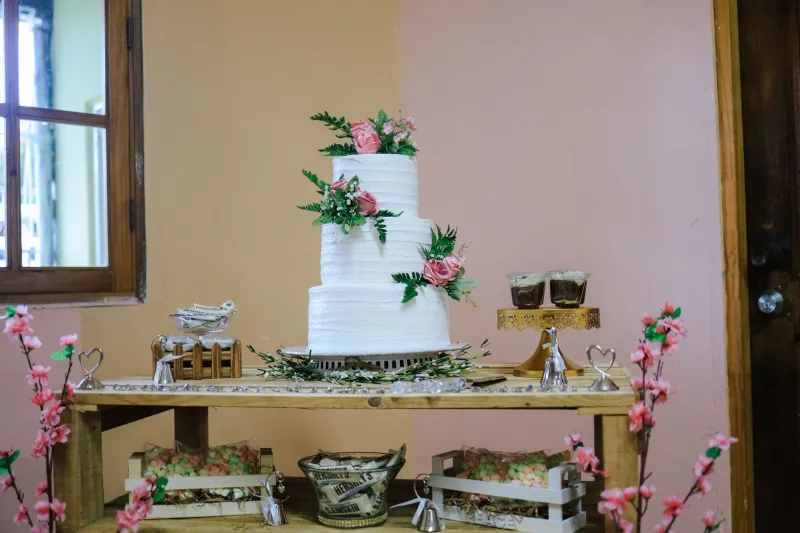
Walk into any American wedding reception and you'll find it: the cake. Tiered, frosted, often decorated with sugar flowers or fondant ribbons, it sits at the center of the room like a small edible monument. Guests photograph it. Couples cut it together in a ritual so familiar that nobody stops to wonder where the whole thing came from.
They probably should. Because the story behind the wedding cake is stranger, older, and more accidental than most people realize — and it starts not with a pastry chef, but with a nervous young baker's apprentice in eighteenth-century London who allegedly dropped something he absolutely should not have dropped.
Bread, Games, and the Medieval Mess That Started It All
Before there was cake, there was bread. In medieval England, wedding guests brought small loaves or buns to the celebration and stacked them in a pile as high as they could manage. The bride and groom would then attempt to kiss over the top of the stack without knocking it over. If they managed it, the couple was said to be blessed with prosperity. If they failed — well, at least everyone got to eat the mess.
This tradition, messy and unpredictable as it was, planted the idea that height and abundance at a wedding table meant something. It connected the celebration to good fortune, to fertility, to the idea that more was always better.
Over the following centuries, bakers began replacing the rough bread piles with something more intentional. Sweetened buns gave way to actual cakes. The stacking became more deliberate. By the time the seventeenth century rolled around, wealthy English families were commissioning layered confections for their ceremonies — though these early versions looked nothing like what we'd recognize today.
The Apprentice Who Changed Everything
Here's where the story gets genuinely surprising. Somewhere around the mid-1700s in London, a bakery apprentice was tasked with delivering a wedding cake to a ceremony in the city. The cake at the time was a single, dense, dark fruitcake — rich, heavy, and not particularly elegant. According to the legend that food historians have traced through various accounts, the young man was distracted — some versions of the story say he was smitten with the bride's maid of honor, which feels almost too convenient — and stumbled during the delivery.
To keep the cake from hitting the ground, he instinctively stacked the pieces on top of each other. What arrived at the reception was an improvised tower of cake layers, slightly lopsided but undeniably dramatic.
Whether the story is entirely true or partly embellished over time is impossible to say with certainty. But what food historians do agree on is that the tiered cake format emerged during this era and spread quickly through London's baking community. The stacked structure was novel, visually striking, and — crucially — it looked expensive. That last quality mattered enormously in a culture where weddings were as much about social display as they were about love.
Queen Victoria Iced the Deal
The real turning point came in 1840, when Queen Victoria married Prince Albert. The royal wedding cake was a massive, multi-tiered creation covered in white royal icing — a choice that sent an immediate signal across the British Empire. White sugar was extraordinarily expensive at the time, which meant white icing was a pure status symbol. The whiter the cake, the wealthier the family.
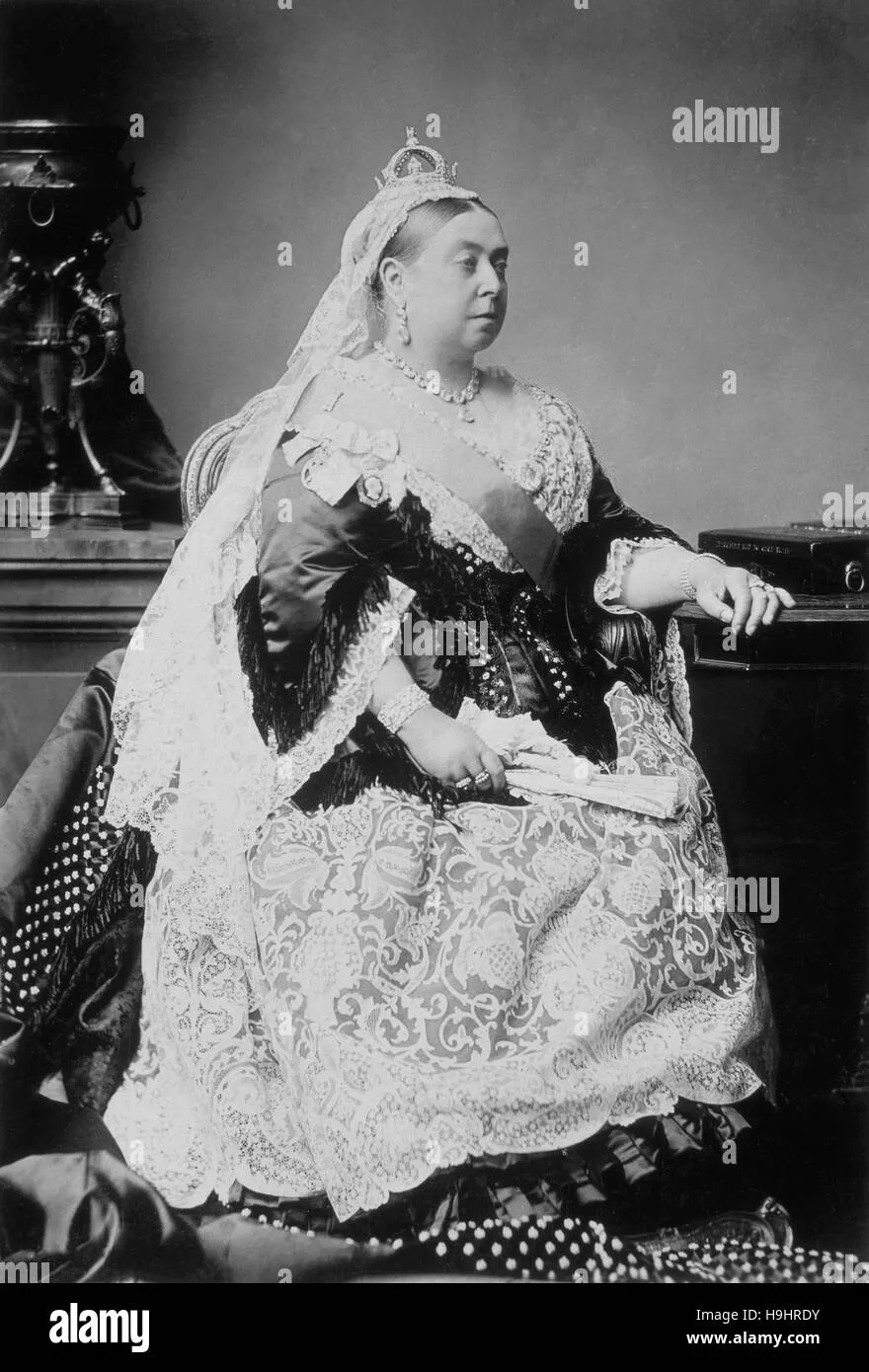 Photo: Queen Victoria, via c8.alamy.com
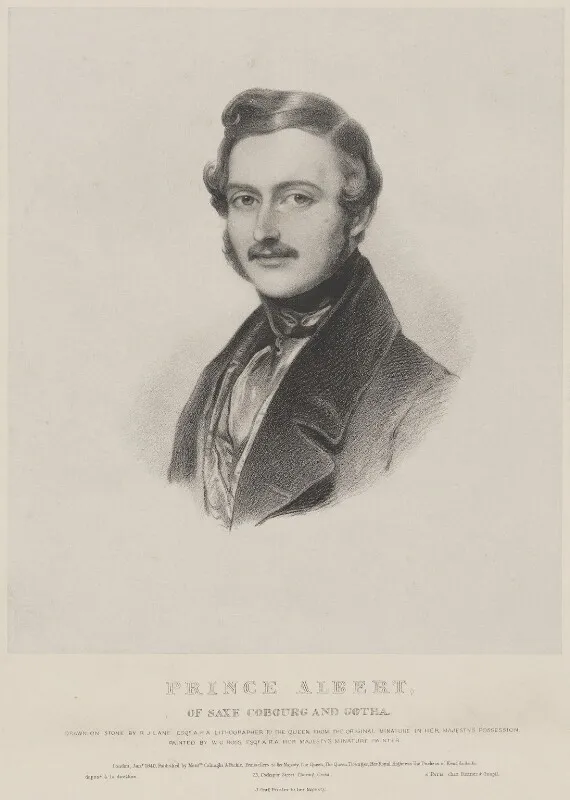 Photo: Prince Albert, via collectionimages.npg.org.uk
The phrase "royal icing" didn't come from nowhere. It came directly from that wedding, and the association between white frosting and bridal elegance stuck hard. Within a generation, the white tiered wedding cake had become the aspirational standard across Britain and, eventually, across the Atlantic.
American couples in the late nineteenth century began adopting the tradition wholesale, particularly in the Northeast, where British customs carried significant social weight. By the early 1900s, the wedding cake had crossed class lines. What began as a luxury for the wealthy was becoming an expectation for everyone.
How America Made It Bigger
American bakers did what Americans tend to do with imported ideas: they scaled everything up. Tiers multiplied. Decorations became more elaborate. The introduction of fondant in the twentieth century allowed for smoother, more architectural designs. Refrigeration meant cakes could be built days in advance and transported without disaster.
The wedding industry itself grew dramatically after World War II, when a booming economy and a surge in marriages created an entire commercial ecosystem around the ceremony. Bakeries began specializing exclusively in wedding cakes. Bridal magazines devoted entire features to cake design. The cake stopped being a dessert and became a centerpiece — a symbol of the occasion itself.
That shift in meaning is what really explains the modern numbers. Today, the wedding cake industry in the United States generates over $500 million annually. The average American couple spends between $400 and $700 on their cake alone, with elaborate custom designs running well into the thousands.
A Happy Accident That Became a National Ritual
What's remarkable about the wedding cake's journey is how completely it erased its own origins. Nobody eating a slice of buttercream-frosted vanilla cake at a Saturday afternoon reception is thinking about medieval bread-stacking games or a flustered London apprentice. The tradition feels ancient and inevitable, as if it couldn't have happened any other way.
But that's exactly what makes food history so worth paying attention to. The things we treat as timeless rituals almost always started as accidents, adaptations, or someone else's clever marketing decision. The wedding cake is no different — it's just a particularly delicious example of how a stumble, a queen's taste in frosting, and a century of commercial ambition can quietly reshape the way an entire culture celebrates love.