The Metal Box That Put Avocados in Ohio and Changed Everything You Eat
The Trucker Who Rewrote Global Trade
Malcom McLean was frustrated. As a trucking company owner in the 1950s, he spent countless hours watching his drivers wait at ports while dock workers slowly unloaded individual crates, barrels, and sacks from cargo ships piece by piece. The inefficiency was maddening — and expensive.
McLean's solution seemed almost embarrassingly simple: what if ships carried standardized metal boxes that could be lifted directly onto truck trailers, eliminating the need to handle individual items? On April 26, 1956, his converted tanker ship Ideal X left Newark, New Jersey, carrying 58 aluminum containers bound for Houston.
 Photo: Ideal X, via woodenmodelships.net
Neither McLean nor anyone else aboard that ship realized they had just launched a revolution that would fundamentally alter what Americans eat for dinner.
The Hidden Economics of Your Grocery Cart
Before containerization, importing food was prohibitively expensive for all but the most exotic luxury items. Shipping costs alone could double or triple the price of goods, making foreign foods accessible only to wealthy Americans willing to pay premium prices for novelty.
Consider the humble avocado. In 1955, avocados were virtually unknown outside California and a few upscale restaurants in major cities. Shipping them from Mexico or Central America required careful packing, individual handling at multiple points, and acceptance of significant spoilage losses. The few avocados that made it to markets in Cleveland or Atlanta cost more per pound than steak.
Containerization changed everything. McLean's standardized boxes could be loaded with produce in Mexico, sealed immediately, and delivered to American supermarkets without being touched by human hands during transport. Shipping costs plummeted by more than 90%, making it economically feasible to import foods that had previously been regional curiosities.
The Banana Boat Revolution
Bananas provide the clearest example of containerization's impact on American eating habits. Before the 1960s, bananas were expensive, seasonal, and often arrived in American stores overripe or bruised from multiple handlings during transport.
Containerized shipping transformed bananas from an occasional treat into America's most popular fruit. Standardized refrigerated containers allowed banana companies to control temperature and humidity during the entire journey from plantation to supermarket. The result: fresh, affordable bananas became available year-round in every American grocery store, regardless of geography.
This shift had profound cultural implications. Bananas became so cheap and ubiquitous that they redefined American expectations about food availability. The idea that any fruit should be accessible anywhere at any time — now taken for granted — began with containerized banana imports in the 1960s.
The Olive Oil Invasion
Perhaps no food illustrates containerization's impact more dramatically than olive oil. Before the 1970s, olive oil was largely confined to Italian-American communities and gourmet food stores. Most Americans cooked with vegetable shortening or corn oil, viewing olive oil as an exotic specialty item with a correspondingly exotic price tag.
Containerization made it economically viable to import olive oil in bulk from Mediterranean countries. Large food companies began shipping olive oil in container-sized quantities, dramatically reducing per-unit costs. What had been a luxury product became affordable enough for everyday cooking.
This availability shift coincided with growing American interest in Mediterranean cuisine, creating a feedback loop that further increased demand. By the 1990s, olive oil had become standard in American kitchens, fundamentally altering how Americans cook and eat.
The Year-Round Produce Miracle
Containerization's most visible impact appears in the produce section of any American supermarket. The variety of fresh fruits and vegetables available year-round in American stores would have been unimaginable to previous generations.
Strawberries in December, grapes in March, fresh herbs from Israel, exotic fruits from Southeast Asia — containerized shipping made it all economically feasible. Refrigerated containers maintain precise temperature and humidity conditions during transport, allowing delicate produce to travel thousands of miles while remaining fresh.
This transformation reshaped American cooking culture. Seasonal eating, once a necessity imposed by geography and climate, became a choice made by consumers interested in supporting local agriculture. For most Americans, the seasons no longer determined what appeared on their dinner tables.
The Spice Route Reopens
Containerization also democratized access to international spices and specialty ingredients. Before standardized shipping, importing spices in small quantities was prohibitively expensive. Most American home cooks had access to perhaps a dozen different spices, mostly domestically produced variants of European standards.
Container shipping made it economical to import spices in bulk, dramatically expanding the variety available in American supermarkets. Cumin, cardamom, star anise, sumac — ingredients that had been available only in specialty stores became standard supermarket stock.
This availability explosion enabled the diversification of American home cooking that characterized the late 20th century. The fusion cuisine movement, the popularity of ethnic cookbooks, and the rise of food television all depended on widespread access to international ingredients that containerization made possible.
The Unintended Consequences of Efficiency
McLean's innovation solved his trucking problem, but it created new challenges that continue to shape American food culture. The dramatic reduction in shipping costs made it economically rational to produce food wherever labor and land were cheapest, regardless of environmental or social costs.
Containerization enabled the globalization of American food supply chains, creating the complex international networks that stock modern supermarkets. This efficiency came with trade-offs: increased carbon footprints from long-distance shipping, vulnerability to supply chain disruptions, and the decline of local food production.
The Legacy of the Metal Box
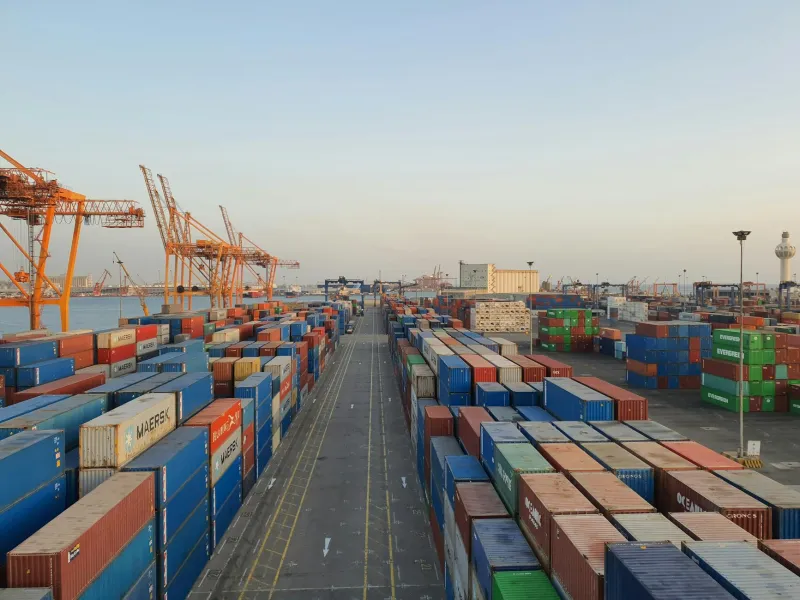
Today, more than 90% of global trade travels in McLean's standardized containers. The system he created to solve a trucking inefficiency has become the invisible infrastructure that supports modern life.
Every time you buy Chilean grapes in February, cook with Thai curry paste, or add Peruvian quinoa to your salad, you're benefiting from an innovation that began with one frustrated trucker's simple idea about moving boxes more efficiently.
McLean died in 2001, having lived to see his metal containers transform not just shipping, but the fundamental relationship between geography and cuisine. His legacy sits in every American refrigerator, testament to how mundane innovations can reshape the most intimate aspects of daily life.