The Big Top Business Model That Built Every Corner Store in America
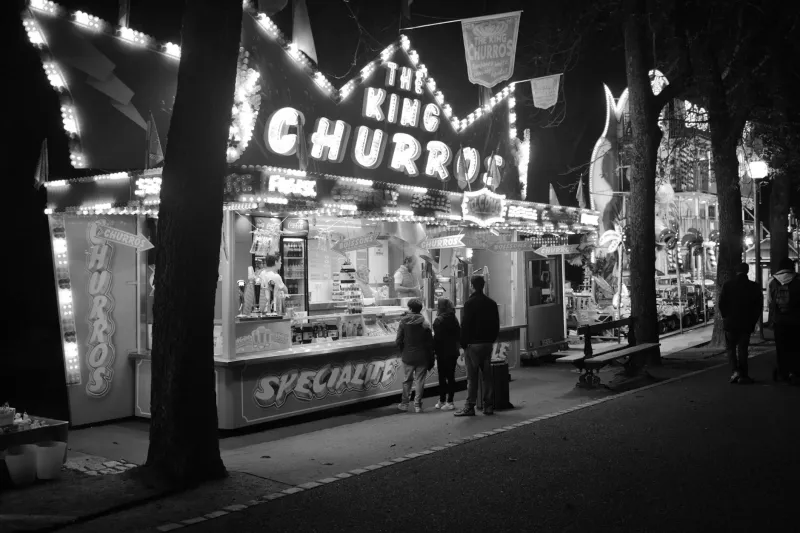
Every time you duck into a corner store for a quick drink and end up leaving with chips, candy, and three things you didn't plan to buy, you're participating in a retail dance first choreographed under circus tents more than a century ago.
The modern American convenience store — with its strategic product placement, impulse-friendly layout, and focus on grab-and-go consumption — didn't emerge from corporate boardrooms or business schools. It evolved from the organized chaos of traveling carnivals, where vendors learned to separate people from their money in the brief moments between trapeze acts and elephant parades.
Those fairground pioneers created the blueprint for America's $650 billion convenience store industry without ever realizing they were inventing the future of retail.
When Entertainment Meant Business
In the late 1800s, traveling circuses were America's premier entertainment industry. Towns would empty when Barnum & Bailey rolled into the depot. Families saved for months to afford tickets. For many rural Americans, the circus was their only exposure to exotic animals, death-defying performers, and the wider world beyond their farms.
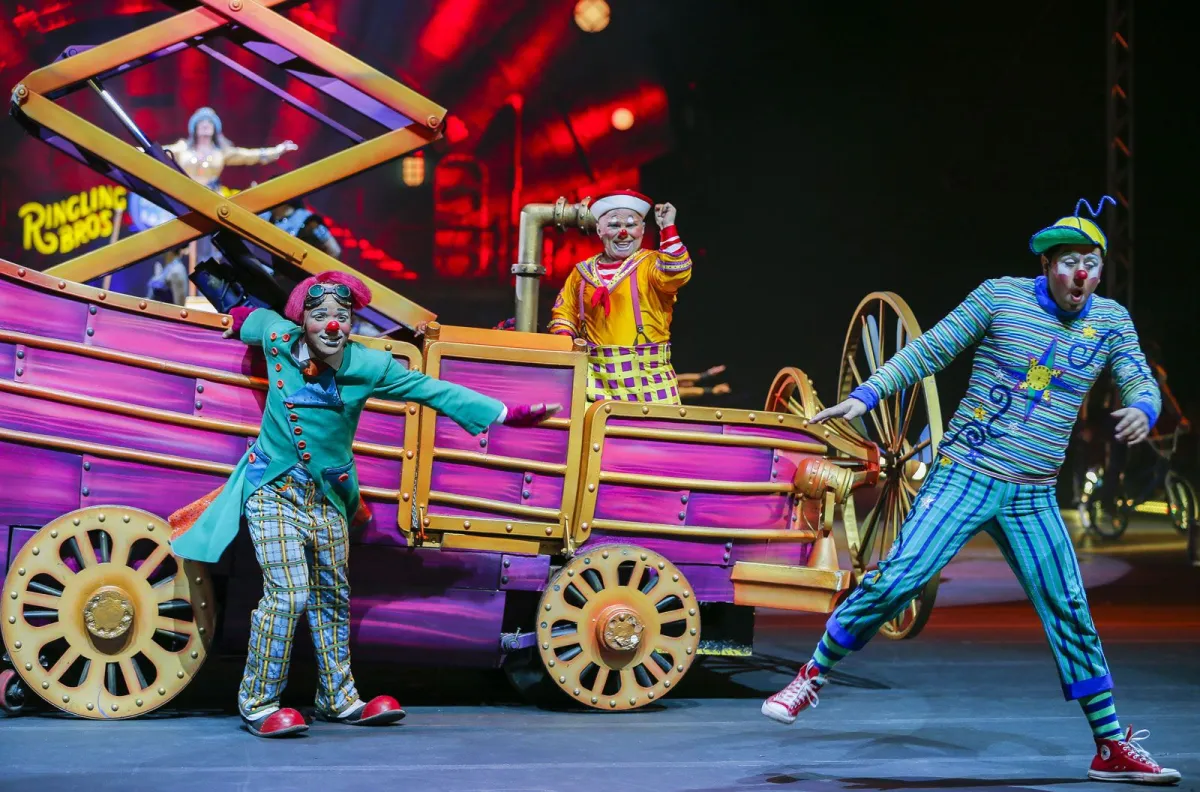 Photo: Barnum & Bailey, via cdn.britannica.com
But circus owners quickly realized the real money wasn't in ticket sales — it was in everything else.
Spectators arrived hours early and stayed late. They were excited, distracted, and carrying cash. Most importantly, they were far from home with limited options for food and drink. Smart carnival operators recognized this captive audience as a golden opportunity.
The midway became a carefully orchestrated retail laboratory where vendors tested every psychological trick for extracting maximum revenue from minimum customer contact time.
The Science of the Midway
Circus vendors pioneered techniques that modern retailers still use today. They discovered that thirsty customers would pay premium prices for cold drinks, especially on hot days when they were standing in dusty fields watching outdoor shows. They learned that strategically placed snack stands could capture people moving between attractions.
Most importantly, they mastered the art of impulse selling.
Vendors positioned themselves at choke points — entrances, exits, and pathways between popular attractions — where crowds naturally bottlenecked. They offered products that required no preparation time: pre-made lemonade, roasted peanuts, caramel apples, and penny candy. Everything was designed for immediate consumption by people who hadn't planned to buy anything.
The layout was crucial. High-profit items like sweets and novelties occupied prime real estate near eye level. Practical necessities like water were placed further back, forcing customers to walk past tempting extras. The goal wasn't just to sell what people needed — it was to sell what they didn't know they wanted until they saw it.
From Sawdust to Ice Houses
As circuses crisscrossed America, their vendor strategies spread to other businesses serving mobile customers. Ice houses — the refrigerated warehouses where people bought blocks of ice for home use — began adopting carnival retail techniques.
Ice house operators noticed that customers making quick stops for ice could be convinced to buy cold drinks, especially in summer. They started stocking sodas, beer, and eventually snacks near the cash register. The business model was identical to circus concessions: serve customers who were already there for something else, and make your profit on impulse purchases.
Roadside stands followed the same pattern. Gas station owners realized that drivers stopping for fuel were perfect targets for cold drinks and travel snacks. They borrowed circus vendor tactics: strategic product placement, grab-and-go packaging, and premium pricing for convenience.
The Corner Store Evolution
By the 1920s, the carnival-to-corner store evolution was complete. Urban ice dealers had evolved into neighborhood stores that happened to sell ice. Gas stations had become food and beverage destinations that happened to sell gasoline. The core business model was pure carnival: capture people who were already there for something else, and maximize revenue through impulse sales.
The first true convenience stores — like Dallas's Southland Ice Company, which eventually became 7-Eleven — were direct descendants of circus midway economics. They succeeded by applying fairground psychology to everyday retail: stay open when competitors were closed, stock items people needed immediately, and arrange everything to encourage unplanned purchases.
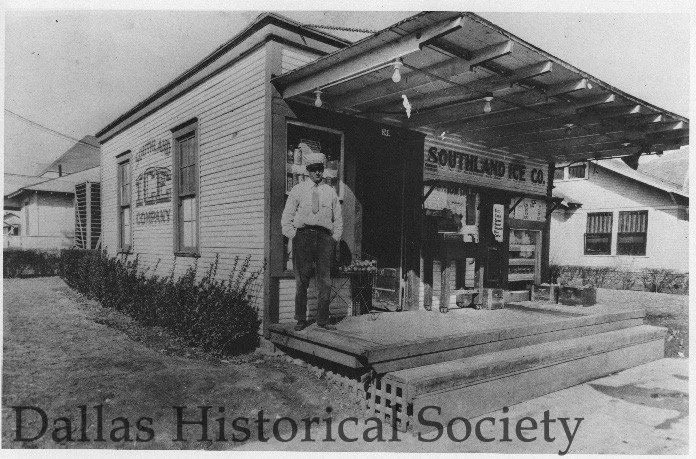 Photo: Southland Ice Company, via i.pinimg.com
Even the physical layout echoed carnival design. Customers entered through a single door, followed a predetermined path past carefully arranged merchandise, and exited through the same chokepoint where vendors could capture last-minute sales.
The Midway Lives On
Today's convenience stores are essentially permanent carnivals minus the entertainment. Walk into any 7-Eleven, Circle K, or corner bodega and you'll see circus vendor strategies perfected over generations.
Cold drinks occupy premium refrigerated space designed to catch your eye. Candy bars line the checkout counter at perfect impulse-buying height. Hot food sits under warming lights near the entrance, filling the store with appetizing aromas. Everything is designed for people who are going somewhere else and don't want to spend much time shopping.
The psychology remains unchanged from circus days: capture customers who are already there for something practical (gas, milk, cigarettes) and convince them to buy something extra (energy drinks, chips, lottery tickets). The average convenience store customer spends 3-4 minutes inside — roughly the same time a carnival customer spent at a lemonade stand between shows.
Every Transaction Tells a Story
The next time you grab a Slurpee and find yourself adding beef jerky and gum to your purchase, remember that you're participating in a retail tradition that started under canvas tents when America was still figuring out what entertainment looked like.
Those long-dead carnival vendors who learned to sell cold lemonade to hot, thirsty crowds created the foundation for an industry that now generates more revenue than all of Hollywood combined. Every corner store, every gas station mini-mart, every airport newsstand operates on principles first discovered by people who followed elephants from town to town.
The big top may have folded, but the business model never left town. It just found a permanent home on every corner in America.