When Yellow Was Illegal: The Century-Long War Between Butter and Its Fake Twin

Napoleon's Cheap Butter Challenge
In 1869, French chemist Hippolyte Mège-Mouriès received the most unusual commission of his career. Emperor Napoleon III, facing food shortages and military expenses, offered a prize for anyone who could create a cheap butter substitute that would feed soldiers and the growing urban poor. The emperor needed something that looked like butter, spread like butter, but cost a fraction of what butter cost.
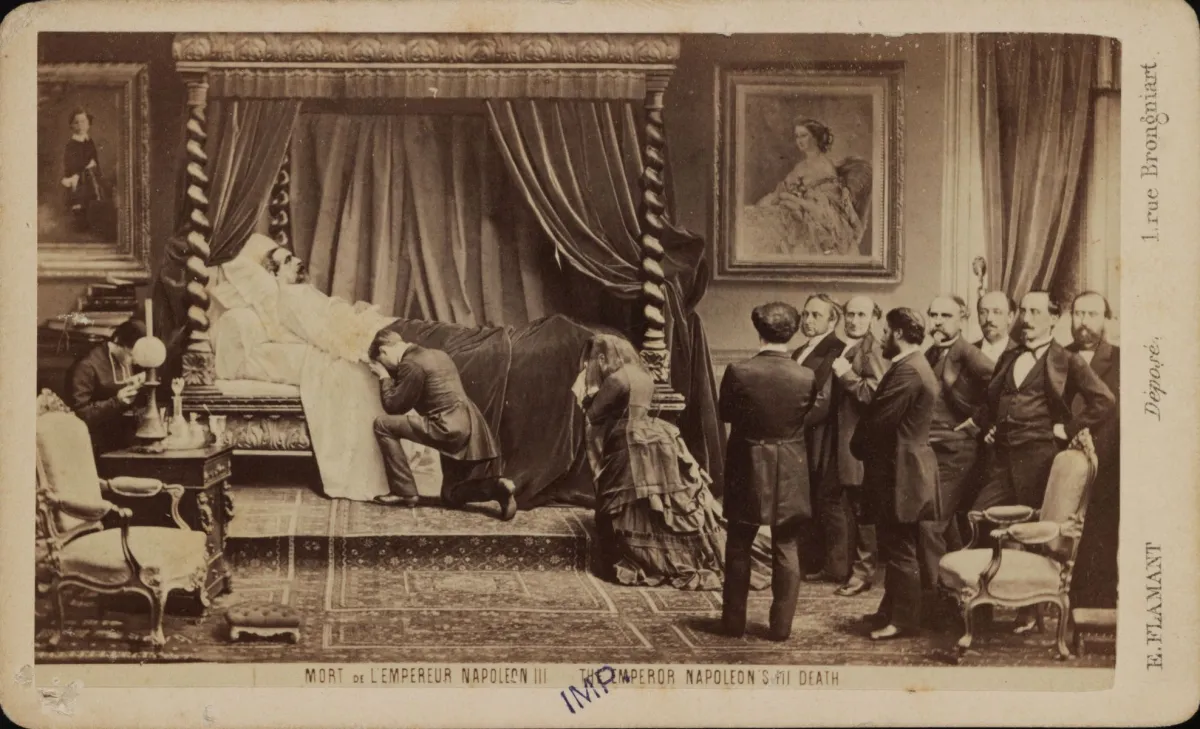 Photo: Napoleon III, via histoire-image.org
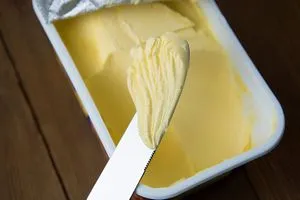 Photo: Hippolyte Mège-Mouriès, via cdn.britannica.com
Mège-Mouriès succeeded beyond anyone's expectations. His invention — a blend of beef fat, milk, and salt — produced a remarkably butter-like spread he called "oleomargarine." It was cheaper to produce, lasted longer without refrigeration, and to most people, tasted nearly identical to the real thing.
What nobody anticipated was that this simple butter substitute would trigger the longest, strangest food war in American history.
The Dairy Industry Declares War
When margarine arrived in America in the 1870s, dairy farmers immediately recognized an existential threat. Here was a product that could undercut their prices while satisfying the same consumer need. Worse yet, most people couldn't tell the difference between margarine and butter in blind taste tests.
The dairy lobby's response was swift and ruthless. They couldn't compete on price or shelf life, so they decided to compete in the halls of government. Their strategy was brilliant in its simplicity: if margarine looked exactly like butter, they would make it illegal for margarine to look like butter.
Led by the National Association of Creamery Butter Manufacturers, dairy interests launched a campaign to convince lawmakers that margarine was dangerous, unnatural, and fundamentally deceptive. They argued that allowing margarine to be colored yellow constituted fraud against consumers who expected that color to indicate real butter.
The Great Yellow Ban
By 1886, Congress passed the first federal Margarine Act, imposing a hefty tax on colored margarine while leaving uncolored margarine relatively untaxed. But that was just the beginning. State after state passed their own anti-margarine laws, each more creative than the last.
Wisconsin, the heart of America's dairy country, made it illegal to sell yellow margarine entirely. Minnesota required restaurants to serve margarine on triangular plates so diners would know they weren't getting real butter. Some states mandated that margarine be colored pink or red to prevent any confusion with butter.
The most surreal laws emerged in the 1930s and 1940s. Several states required margarine manufacturers to include packets of yellow food coloring with their products, forcing families to mix their own colored spread at home. Grocery stores had to keep margarine in separate sections, often with warning signs about its artificial nature.
Kitchen Smuggling and Underground Yellow
These laws created one of the most absurd black markets in American history. Families living near state borders would drive across lines to buy pre-colored margarine, smuggling it home like bootleg liquor. Others learned to mix their own yellow coloring, turning kitchen tables into makeshift margarine factories.
The coloring packets became a strange ritual of American domestic life. Children would squeeze yellow dye into white margarine while parents kneaded it by hand, trying to achieve an even butter-like color. It was domestic chemistry, performed weekly in millions of American kitchens.
Some entrepreneurial grocers found creative workarounds. They would sell margarine alongside "free" packets of yellow food coloring, technically complying with the law while giving customers everything they needed to make their margarine look like butter.
The Economics of Artificial Scarcity
The margarine wars reveal how powerful lobbies can shape consumer behavior for decades. Despite being nutritionally similar and often indistinguishable in taste, butter maintained premium pricing and cultural status simply because laws made margarine inconvenient to buy and use.
During World War II, butter rationing temporarily shifted American preferences toward margarine. Suddenly, the cheap substitute became a patriotic necessity rather than a lower-class alternative. Women's magazines published recipes and tips for working with margarine, normalizing its presence in American kitchens.
But even wartime necessity couldn't overcome decades of legal discrimination. Many states maintained their anti-margarine laws well into the 1960s, long after the original economic justifications had disappeared.
The Slow Surrender
The margarine wars finally ended not through legislative battles, but through generational change. Baby Boomers grew up during an era when margarine was widely available and socially acceptable. They had no nostalgic attachment to butter's supposed superiority and were more influenced by health claims about margarine's lower saturated fat content.
Wisconsin, the last holdout, didn't repeal its ban on yellow margarine until 1967 — nearly 80 years after the first anti-margarine laws were passed. Even then, the change came only after intense lobbying from food manufacturers and younger legislators who found the whole controversy ridiculous.
The Legacy of a Fake Food Fight
Today, margarine and butter coexist peacefully in grocery store dairy sections, their century-long war reduced to a footnote in food history textbooks. But the margarine wars established important precedents about how agricultural lobbies could use government power to protect market share against innovative competitors.
The same tactics used against margarine — questioning safety, demanding special labeling, restricting appearance — have been deployed against everything from artificial sweeteners to plant-based meat alternatives. The playbook developed by 19th-century dairy farmers continues to influence food politics today.
Every time you spread margarine on toast, you're participating in the resolution of one of America's longest-running food feuds. That simple yellow color, which seems so natural and obvious, was actually illegal in much of the country for nearly a century. Sometimes the most ordinary things carry the most extraordinary histories.