The Bland Leaf That Conquered America's Dinner Tables
The Lettuce Nobody Wanted
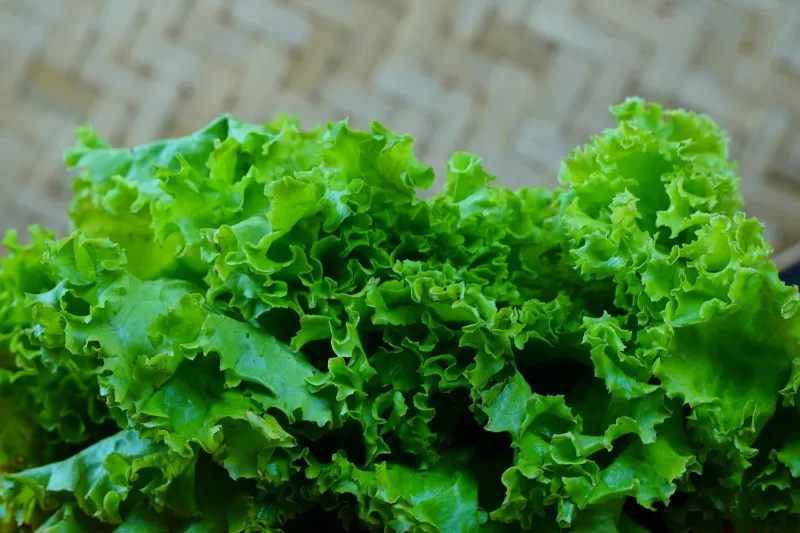
In the early 1900s, California farmers had a problem they couldn't solve: iceberg lettuce. This pale, crunchy variety was everything a vegetable shouldn't be — virtually flavorless, nutritionally empty, and so bland that even livestock turned their noses up at it. Growers considered it agricultural junk, a failed experiment that produced impressive-looking heads with all the culinary appeal of wet cardboard.
Yet today, walk into any American diner, fast-food restaurant, or grocery store, and you'll find iceberg lettuce everywhere. It's the default salad base, the standard burger topping, and the vegetable that defined American eating habits for generations. How did farming's biggest disappointment become the country's most popular leafy green?
When Cold Air Changed Everything
The answer lies not in flavor, but in physics. In 1926, the Pacific Fruit Express introduced a game-changing innovation: refrigerated railroad cars that could maintain consistent temperatures across thousands of miles. Suddenly, the very trait that made iceberg lettuce worthless — its high water content — became its greatest asset.
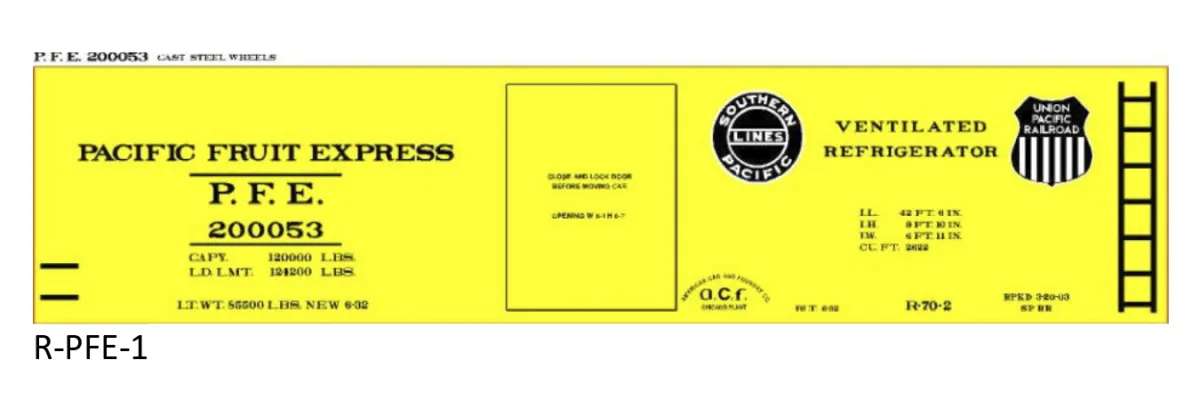 Photo: Pacific Fruit Express, via miraclegraphics.com
While delicate lettuces like Boston Bibb wilted during long-distance shipping, iceberg's sturdy leaves and compact heads survived transcontinental journeys looking as fresh as the day they were harvested. The same blandness that made it unappetizing also made it incredibly resilient. It was the automotive equivalent of choosing a reliable sedan over a temperamental sports car.
California growers, led by the Salinas Valley farming community, realized they were sitting on a goldmine. This wasn't about taste anymore — it was about logistics. They could grow lettuce in perfect climate conditions and ship it anywhere in America while it was still crisp and green.
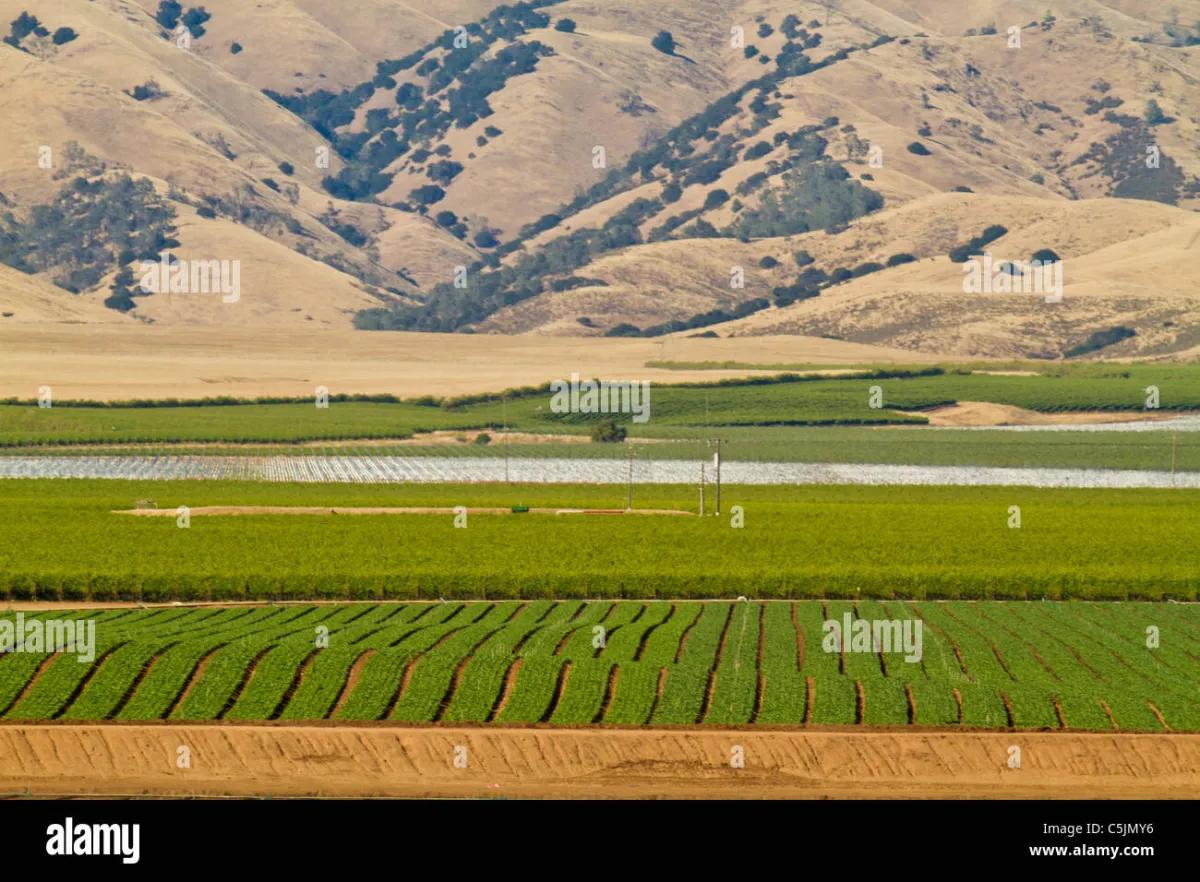 Photo: Salinas Valley, via c8.alamy.com
The Marketing Machine That Built an Empire
The Western Iceberg Lettuce company (later part of what became major agricultural corporations) launched one of the most successful vegetable marketing campaigns in American history. They branded iceberg as the "clean" lettuce — emphasizing its crisp texture, long shelf life, and consistent appearance.
Restaurants loved it because it never wilted under hot kitchen lights. Home cooks embraced it because it lasted weeks in the refrigerator without turning brown. Grocers preferred it because they could stock it without worrying about daily spoilage losses. The entire food distribution system aligned around iceberg lettuce's practical advantages.
By the 1950s, iceberg represented over 95% of all lettuce consumed in America. It wasn't just popular — it had essentially become synonymous with "lettuce" itself. Most Americans had never tasted anything else.
The Nutritional Paradox
Here's the irony: as iceberg lettuce conquered American tables, nutritionists were quietly horrified. Compared to darker leafy greens like spinach or romaine, iceberg lettuce offered minimal vitamins, almost no minerals, and barely any fiber. It was essentially crunchy water with a faint vegetable flavor.
But in post-war America, nutrition took a backseat to convenience and consistency. Families wanted vegetables that looked good, lasted long, and didn't challenge anyone's palate. Iceberg lettuce delivered on all three counts. It became the training wheels of the vegetable world — safe, predictable, and utterly non-threatening.
The rise of suburbanization and chain restaurants only accelerated iceberg's dominance. McDonald's, Burger King, and countless other franchises built their vegetable programs around iceberg's reliability. When you could guarantee that a head of lettuce in Maine looked and tasted exactly like one in California, menu standardization became possible.
The Slow Decline of the Iceberg Empire
Iceberg's reign began cracking in the 1980s as Americans developed more adventurous palates. The rise of specialty grocery stores, farmer's markets, and food television introduced consumers to arugula, mesclun, and dozens of lettuce varieties that actually had flavor.
Health consciousness dealt another blow. As Americans became more nutrition-savvy, iceberg's empty calorie profile became a liability rather than a feature. Restaurants started offering "mixed greens" as an upscale alternative, and grocery stores expanded their produce sections to include lettuces that delivered actual vitamins along with crunch.
Today, iceberg lettuce still holds significant market share, but it no longer dominates American salad bowls. It's become a nostalgic ingredient, associated with classic American dishes like wedge salads and traditional coleslaw.
The Legacy of Logistics Over Flavor
The story of iceberg lettuce reveals something profound about how food cultures develop. Sometimes the vegetables that define our eating habits aren't chosen for their taste, nutrition, or cultural significance. Sometimes they win simply because they survive the journey from farm to fork better than anything else.
Iceberg lettuce built an empire not through superior flavor, but through superior shipping. It conquered American kitchens by being the most practical choice in an era when practical choices mattered more than culinary ones. In many ways, it's the perfect metaphor for mid-20th century American food culture — prioritizing convenience, consistency, and shelf life over taste and nutrition.
The next time you see iceberg lettuce in the grocery store, remember: you're looking at one of the most successful vegetables in American history, and it succeeded by being utterly, relentlessly bland.