The Typhoid Terror That Put Paper Cups in Every American Hand
The Tin Dipper Panic
In 1907, Dr. Samuel Crumbine boarded a train in Kansas and witnessed something that horrified him: dozens of passengers drinking from the same tin dipper, sharing saliva, germs, and potentially deadly diseases with every sip. As the state's health officer, Crumbine had seen typhoid fever ravage communities, and he knew that communal drinking vessels were spreading death across America's transportation networks.
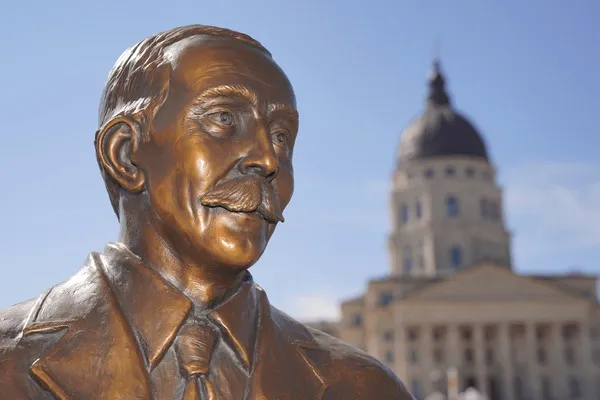 Photo: Dr. Samuel Crumbine, via www.shutterstock.com
This moment of disgust would accidentally revolutionize how Americans consume beverages. The paper cup — now so common we barely notice it — was born not from convenience, but from a nationwide panic about disease transmission that gripped the early 20th century.
At the time, shared drinking vessels were everywhere. Train stations had communal water barrels with tin dippers. Schools provided single cups that dozens of children used throughout the day. Factories, offices, and public buildings all featured shared drinking facilities that we would consider appallingly unsanitary today.
The Reformers' Crusade
Dr. Crumbine returned from his train journey with a mission: eliminate communal drinking from American life. He joined forces with Lawrence Luellen, a Boston inventor who had been experimenting with disposable paper containers, and together they launched what became known as the "cup crusade."
 Photo: Lawrence Luellen, via media.studyxapp.com
Their weapon was fear, backed by legitimate science. The early 1900s were marked by devastating disease outbreaks — typhoid, tuberculosis, and influenza killed thousands of Americans annually. Medical understanding of germ transmission was advancing rapidly, and reformers like Crumbine used this new knowledge to argue that shared drinking vessels were literally instruments of death.
Luellen's company, which would later become the Dixie Cup Corporation, began manufacturing individual paper cups and promoting them as the solution to America's public health crisis. Their marketing was brilliantly terrifying: advertisements featured images of diseased lips touching communal cups, spreading germs to innocent victims.
The School Revolution
The breakthrough came in schools. Progressive educators, already concerned about child welfare, embraced paper cups as a symbol of modern, scientific hygiene. The Woman's Christian Temperance Union, initially focused on alcohol prohibition, expanded their mission to include "pure water" campaigns that promoted individual drinking vessels.
By 1910, major cities were mandating that schools abandon shared cups in favor of individual paper containers. The change was dramatic and immediate — children who had grown up drinking from communal vessels suddenly found themselves using throwaway cups that were discarded after a single use.
Parents, initially skeptical of the expense, were won over by public health campaigns that emphasized protecting children from disease. The paper cup became associated with modern parenting and scientific progress.
The Coffee Shop Transformation
The real revolution happened when the hygiene movement collided with America's growing coffee culture. Urban coffee shops and lunch counters had traditionally served beverages in washable ceramic or glass cups that were reused throughout the day. But as germ theory gained acceptance, customers began demanding individual, disposable containers.
Restaurant owners initially resisted the change — paper cups were more expensive than washing reusable vessels, and many customers complained that coffee tasted different in paper containers. But public pressure, combined with health department regulations, gradually forced the transition.
The Spanish Flu pandemic of 1918 accelerated the adoption of disposable cups. Suddenly, anything that reduced human contact seemed like a life-saving innovation. Paper cups went from being a luxury health precaution to an essential safety measure.
The Unintended Consequences
What the reformers didn't anticipate was how thoroughly their hygiene crusade would transform American consumption habits. The paper cup normalized the concept of disposable convenience items in a way that previous generations would have found wasteful and strange.
Before the cup crusade, Americans lived in a largely reusable world. Containers were washed and reused, and throwing away functional items was considered economically irresponsible. The paper cup introduced the radical idea that hygiene justified waste — that it was better to discard something clean than risk contamination from something reused.
This philosophical shift extended far beyond drinking vessels. Once Americans accepted disposable cups as normal and necessary, they became more receptive to disposable plates, utensils, and packaging. The paper cup was the gateway product to America's throwaway culture.
The Coffee Culture Connection
By the 1950s, paper cups had become so associated with coffee consumption that the two were practically inseparable. Drive-in restaurants, office coffee services, and vending machines all relied on disposable cups to serve hot beverages quickly and hygienically.
The rise of fast-food chains in the 1960s cemented paper cups as the default container for beverages. McDonald's, Burger King, and other franchises built their service models around speed and convenience, making disposable cups an essential component of the fast-food experience.
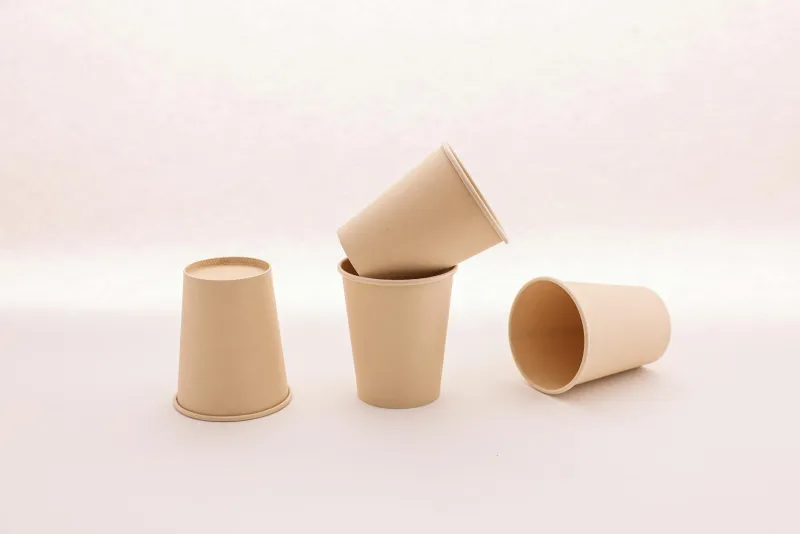
Today's coffee shop culture — from Starbucks to local cafes — is built entirely on the foundation laid by those early 20th-century hygiene reformers. The paper coffee cup, with its plastic lid and cardboard sleeve, represents the evolution of Dr. Crumbine's original vision of individual, sanitary drinking vessels.
The Environmental Reckoning
The irony is that the paper cup, invented to protect public health, has become an environmental health concern. Americans now dispose of billions of paper cups annually, creating waste streams that earlier generations could never have imagined.
Modern environmental movements are essentially asking Americans to reverse the behavioral changes that the hygiene crusaders worked so hard to establish. Reusable coffee cups, once considered dangerous vectors of disease transmission, are now promoted as environmentally responsible alternatives to disposable containers.
From Fear to Habit
The paper coffee cup represents one of the most successful public health campaigns in American history — so successful that we've completely forgotten its origins. What began as a fear-based response to disease transmission became an unquestioned habit that defines how Americans consume beverages.
Every time you grab a paper cup for your morning coffee, you're participating in a ritual that began over a century ago with a doctor's horror at shared drinking vessels. The convenience you experience was originally designed as a life-saving intervention, a barrier between you and the diseases that terrified previous generations.
The paper cup transformed from a medical necessity into a cultural norm so seamlessly that most Americans have no idea they're carrying forward a hygiene revolution that began with typhoid scares and tin dippers on trains.