The Plumber's Midnight Snack That Conquered American Refrigerators
Open any American refrigerator and you'll probably find ranch dressing. Not might find—will find. We consume more ranch than ketchup, mustard, and barbecue sauce combined. It's on our salads, our pizza, our vegetables, our chicken wings, and increasingly, on foods that would make nutritionists weep.
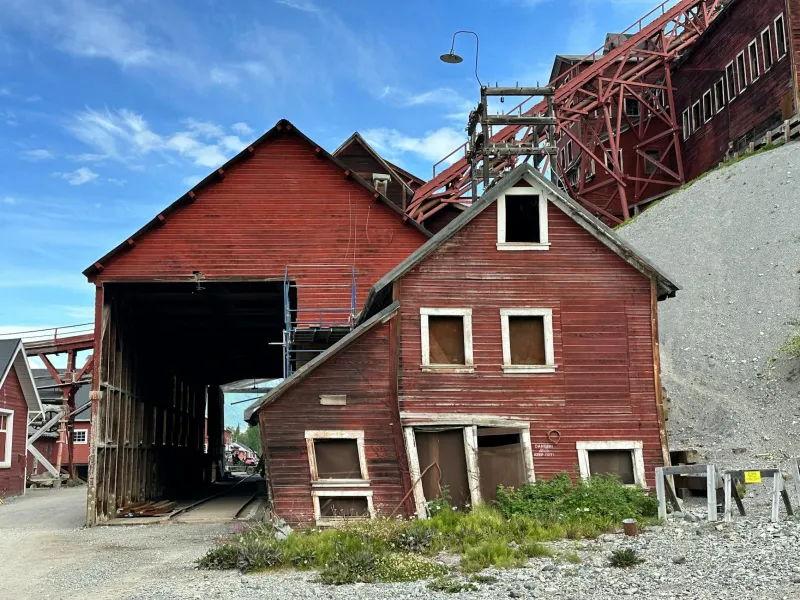
But ranch dressing wasn't born in some corporate test kitchen or trendy restaurant. It was invented by a guy trying to make terrible cafeteria food edible at a construction camp in the middle of nowhere, Alaska.
The Alaskan Experiment
In the early 1950s, Steve Henson was working as a plumbing contractor in Alaska's remote wilderness. The job was rough—long hours, harsh weather, and food that ranged from bland to barely edible. The camp kitchen served the kind of institutional meals that construction workers have complained about since the first guy picked up a hammer: overcooked vegetables, mystery meat, and salads that tasted like wet cardboard.
 Photo: Steve Henson, via eurweb.com
Henson, who'd grown up on a farm in Nebraska, had learned to cook out of necessity. Faced with another dinner of flavorless camp food, he started experimenting in his spare time, mixing together ingredients he could find in the camp kitchen. He wanted something creamy and tangy that would make everything taste better.
Using mayonnaise as a base, Henson started adding buttermilk for tang, then herbs and spices—dried dill, garlic powder, onion powder, black pepper. He kept tweaking the recipe, tasting and adjusting, until he had something that transformed even the worst camp vegetables into something his coworkers actually wanted to eat.
The other workers went crazy for it. They started requesting Henson's "special sauce" for everything. Word spread through the camp, then to other construction sites across Alaska. Guys started asking Henson to mix up batches they could take to their next job.
From Work Camp to Dude Ranch
When Henson's Alaska contract ended, he and his wife Gayle decided to try something completely different. They bought 120 acres in Santa Barbara County, California, and opened a dude ranch called Hidden Valley Ranch. It was 1954, and the California ranch vacation business was booming with families looking for Western adventures without the actual hardships of frontier life.
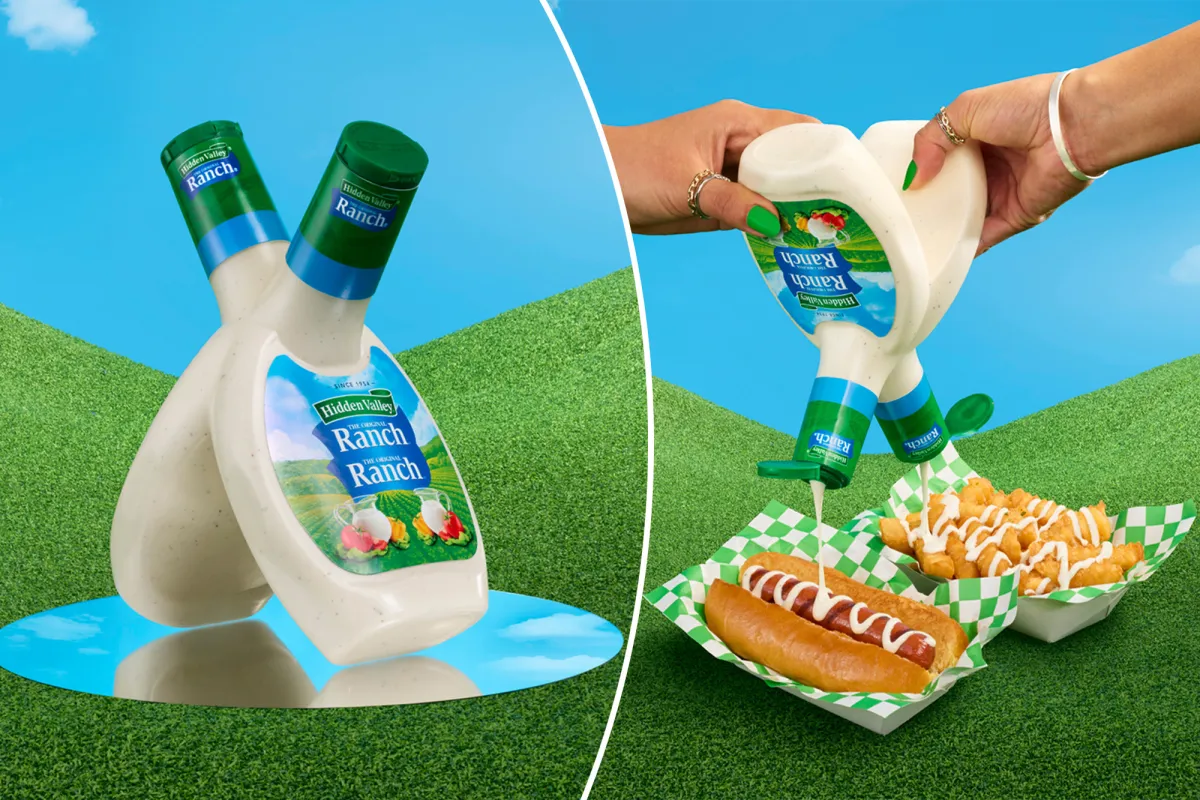 Photo: Hidden Valley Ranch, via nypost.com
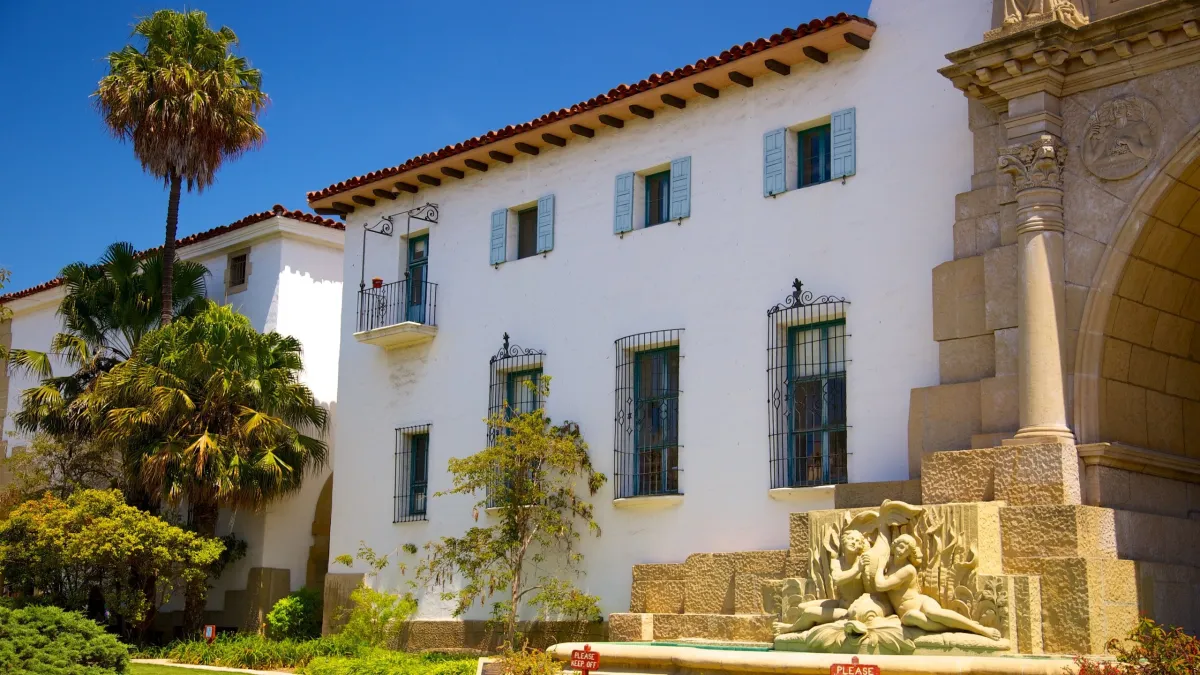 Photo: Santa Barbara County, via a.travel-assets.com
Henson served his Alaska dressing creation to ranch guests, and once again, people couldn't get enough of it. Visitors started asking if they could take some home. The Hensons began selling packets of the dried seasoning mix, along with instructions to blend it with mayonnaise and buttermilk.
What started as a small side business for dude ranch guests quickly grew into something bigger. Word spread through Southern California's social circles. People were driving to Hidden Valley Ranch just to buy packets of seasoning mix. The Hensons were shipping orders across the country to people who'd heard about this amazing dressing from friends.
The Flavor That Fit America
By the 1970s, demand for Hidden Valley Ranch seasoning packets had completely overwhelmed the dude ranch business. Steve Henson sold the brand to Clorox in 1972 for $8 million—a fortune at the time, though it would prove to be a bargain for Clorox.
Clorox's food scientists worked to create a shelf-stable bottled version that captured the flavor of Henson's original recipe. When they launched Hidden Valley Ranch bottled dressing in 1983, it became an instant phenomenon. Americans had been waiting for this exact flavor without knowing it.
Ranch hit American taste buds at the perfect moment. It was creamy like the comfort foods Americans loved, but tangy enough to feel fresh and modern. It was mild enough for kids but complex enough for adults. Most importantly, it made everything taste better without overwhelming the original flavors.
The Great Ranch Takeover
What happened next was unprecedented in American food history. Ranch didn't just become popular—it became a cultural obsession. Pizza chains started offering ranch as a dipping sauce. Buffalo wing restaurants made it the default accompaniment. Salad bars couldn't keep it stocked.
By the 1990s, ranch had transcended its original purpose as salad dressing. Americans were putting it on pizza, using it as a vegetable dip, mixing it into pasta salads, and spreading it on sandwiches. Food manufacturers started creating ranch-flavored everything: chips, crackers, popcorn, even sunflower seeds.
Today, Americans consume roughly $1 billion worth of ranch dressing annually. It outsells every other salad dressing by a massive margin and shows up on restaurant tables from coast to coast. In some parts of the Midwest and South, asking for ranch with your meal is as automatic as asking for water.
Why Ranch Won America
Ranch dressing succeeded because it perfectly matched American taste preferences in ways that even Steve Henson probably didn't fully understand. It's creamy and rich, appealing to our love of dairy and fat. It's tangy but not too acidic, with enough herbs to seem sophisticated but not so many that it becomes challenging.
More importantly, ranch is the perfect "gateway condiment." It makes healthy foods like raw vegetables taste indulgent, which helps parents get kids to eat their vegetables. It transforms boring salads into something craveable. It bridges the gap between health-conscious eating and comfort food satisfaction.
Ranch also arrived just as American food culture was becoming more casual. It's not fancy or intimidating like some European dressings. It doesn't require sophisticated palates or cultural knowledge. It's democratic in the best American tradition—a flavor that works for everyone.
The Plumber's Legacy
Steve Henson died in 2007, probably never imagining that his Alaskan work camp experiment would become America's defining condiment. But in creating ranch dressing, he accidentally captured something essential about American food culture: our desire for flavors that are comforting, accessible, and just indulgent enough to make ordinary meals feel special.
Every time someone dips a carrot in ranch or orders pizza with a side of ranch for dipping, they're participating in a food tradition that started with a plumber trying to make bad cafeteria food taste better. Sometimes the most American innovations come from the most ordinary moments—a midnight snack experiment that accidentally defined how a nation eats.