Before McDonald's, There Was Harvey: The Railroad Chain That Invented Fast Food
When you pull into a McDonald's in Maine and order a Big Mac, you expect it to taste exactly like the one you had in California last month. That expectation—that a chain restaurant should deliver identical food and service anywhere in the country—seems obvious now. But in 1876, it was revolutionary.
The man who figured it out wasn't selling burgers. He was trying to solve a much simpler problem: how to feed train passengers crossing the American West without poisoning them.
The Wild West of Railroad Food
In the 1870s, taking the train across America was an adventure in survival. The transcontinental railroad had connected the coasts, but the journey took days, and passengers had to eat somewhere along the way. Unfortunately, "somewhere" usually meant dingy depot restaurants run by locals who viewed hungry travelers as easy marks.
The food was legendarily awful. Day-old bread, rancid meat, coffee that tasted like dishwater—if you were lucky. Passengers often got off the train, paid for a meal they couldn't finish, and climbed back aboard hungrier than when they started. Some travelers packed enough food for the entire journey rather than risk depot dining.
Fred Harvey, an English immigrant working as a freight agent for the Chicago, Burlington & Quincy Railroad, experienced this misery firsthand during his frequent business trips. After one particularly horrible meal at a Kansas depot, he had an idea: what if someone could guarantee good food at railroad stops?
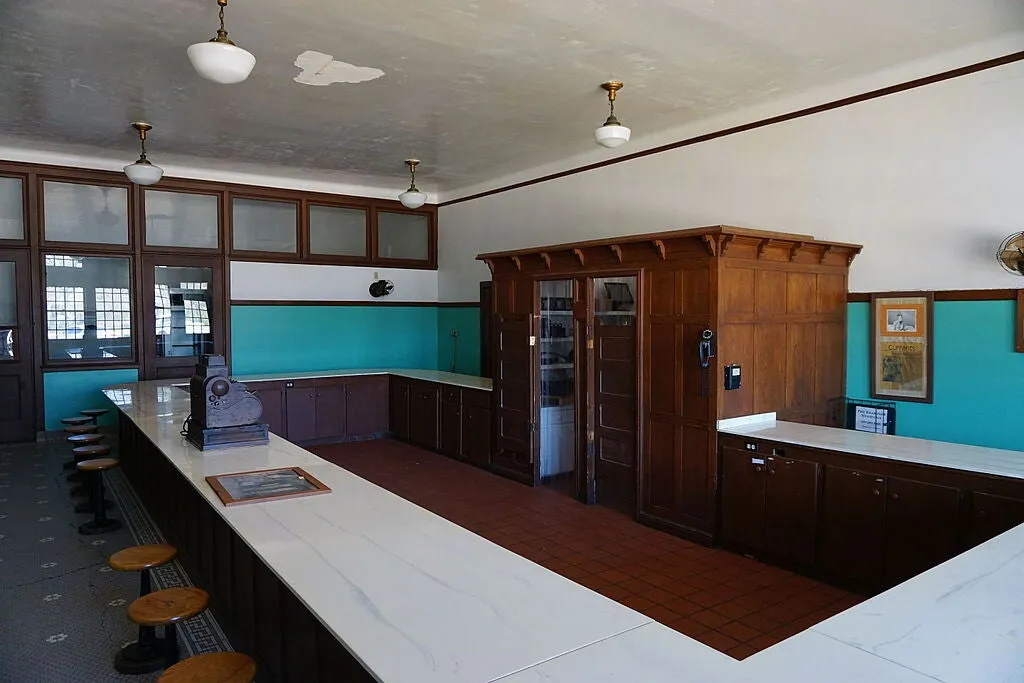 Photo: Fred Harvey, via primary.jwwb.nl
The Harvey Standard
Harvey pitched his concept to the Atchison, Topeka and Santa Fe Railway: let him open restaurants at their stations, and he'd serve quality meals quickly enough to accommodate train schedules. The railroad, tired of passenger complaints about depot food, gave him a chance.
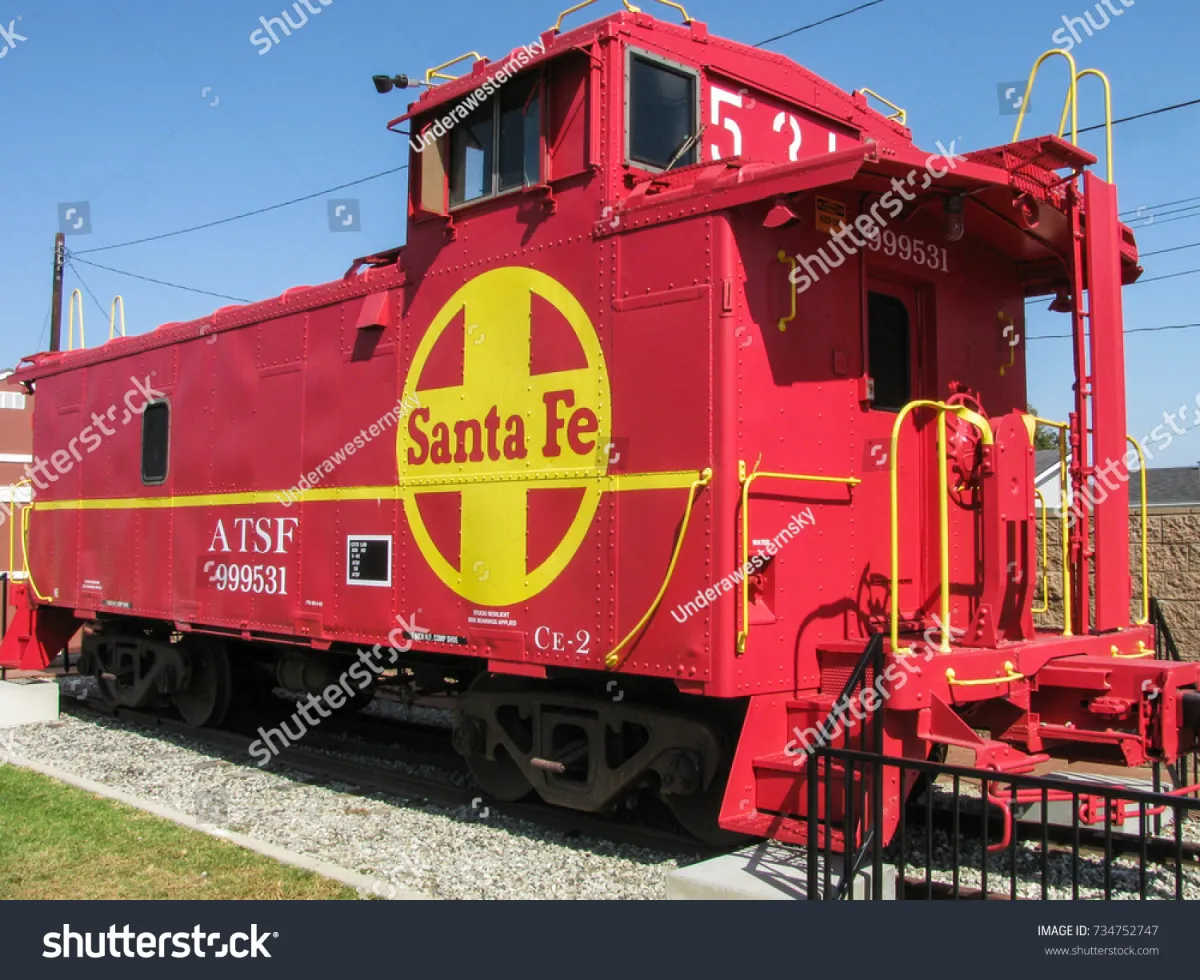 Photo: Atchison, Topeka and Santa Fe Railway, via image.shutterstock.com
The first Harvey House opened in Topeka, Kansas, in 1876. From day one, Harvey implemented standards that seem familiar to anyone who's worked in chain restaurants. Every location served identical menus using the same recipes. Meals were timed to train schedules—passengers had exactly 30 minutes to eat before the train departed. Servers were trained to work efficiently and politely.
 Photo: Topeka, Kansas, via api.trekaroo.com
Most importantly, Harvey refused to compromise on quality. He imported fresh ingredients, hired real chefs, and maintained spotless kitchens. The coffee was always fresh, the bread was baked daily, and the meat was never questionable. Meals cost 75 cents—expensive for the time, but passengers gladly paid for food they could actually eat.
The Harvey Girls Revolution
Harvey's most famous innovation was hiring young, unmarried women as servers—the "Harvey Girls." In the rough-and-tumble towns of the American West, where saloons outnumbered churches and most establishments catered to cowboys and railroad workers, this was radical.
The Harvey Girls lived in company dormitories, followed strict behavioral codes, and received extensive training in proper service. They wore identical black uniforms with white aprons and were required to be unfailingly polite and efficient. For many Western towns, Harvey Girls were the first respectable working women they'd ever seen.
This standardized service model—identical uniforms, consistent training, predictable behavior—became another Harvey innovation that modern chains would adopt wholesale.
Scaling the System
By 1900, Harvey operated 47 restaurants, 30 dining cars, and 15 hotels across the Southwest. Each location maintained the same standards, served the same food, and provided the same service. A businessman eating breakfast at the Harvey House in Albuquerque could expect the exact same experience he'd had at dinner in Dodge City the night before.
Harvey achieved this consistency through what we'd now recognize as corporate management techniques. He created detailed operational manuals, conducted regular inspections, and fired managers who didn't maintain standards. He established centralized purchasing to ensure consistent ingredients and negotiated contracts with suppliers across multiple states.
The company even developed its own supply chain, operating farms and dairies to guarantee fresh ingredients. Harvey Houses became so reliable that "Meals by Fred Harvey" became a selling point for the Santa Fe Railway.
The Template for Everything That Followed
When Ray Kroc started franchising McDonald's in the 1950s, he was essentially copying the Harvey playbook: standardized menus, consistent quality, identical service, and rigorous operational control. The same principles guided Howard Johnson's, Kentucky Fried Chicken, and every successful chain restaurant that followed.
Harvey Houses also pioneered other concepts that define modern food service: employee training programs, corporate quality control, centralized purchasing, and the idea that a brand name should guarantee a consistent experience regardless of location.
When the Rails Went Quiet
The Harvey House empire began declining in the 1930s as Americans started driving instead of taking trains. The last Harvey House restaurant closed in 1971, but by then, the company's innovations had been adopted by every major food chain in America.
Today, when you walk into any Subway, Starbucks, or Chipotle and expect the same experience you'd get at any other location, you're experiencing Fred Harvey's vision. He figured out that in a mobile society, consistency isn't just convenient—it's essential.
The next time you're road-tripping and pull into a familiar chain restaurant, remember that you're following a path first carved by train passengers crossing the desert, looking for a decent meal and finding something much bigger: the birth of standardized American dining.