The Enslaved Boy Who Broke Mexico's Monopoly on America's Favorite Flavor
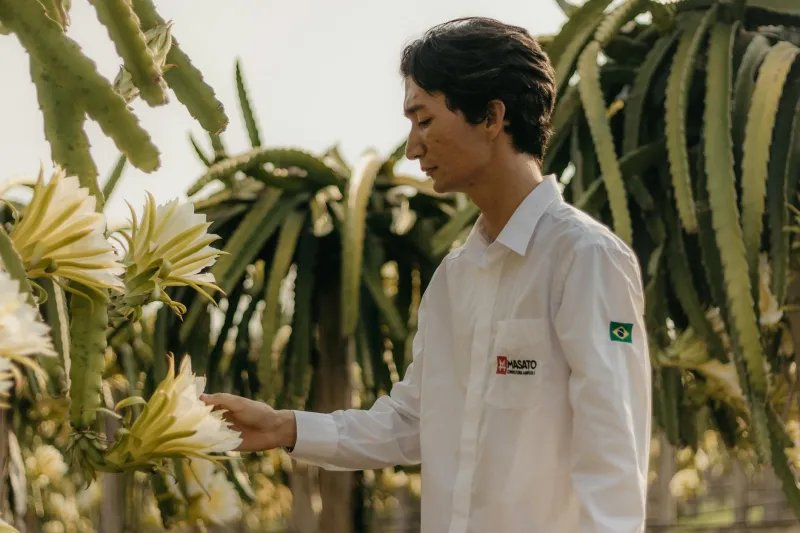
Walk into any American kitchen and you'll find vanilla hiding everywhere—in cookies, cakes, ice cream, coffee creamer, even some ketchups. It's so common we barely notice it, yet for three centuries, this humble flavor was more precious than gold and controlled by a single country thousands of miles away.
When Mexico Owned Every Drop
Vanilla comes from orchids, specifically Vanilla planifolia, which originally grew wild in the forests of Mexico. The Totonac people discovered that when you ferment the seed pods of this particular orchid, you get an intoxicating aroma unlike anything else on earth. The Aztecs caught on, mixing ground vanilla beans into their chocolate drinks, creating a luxury so prized that Montezuma reportedly consumed 50 cups daily.
When Spanish conquistadors brought vanilla back to Europe in the 1520s, they thought they'd struck botanical gold. Wealthy Europeans went crazy for the exotic flavor, but there was just one problem: vanilla orchids refused to produce beans anywhere except Mexico. European gardeners could grow the plants, sure—beautiful green vines that climbed and flowered magnificently. But no beans. Ever.
The mystery stumped botanists for three hundred years. They had no idea that vanilla orchids required a specific type of bee—the Melipona—to pollinate them, and these bees lived only in Mexico's tropical forests. Without this tiny pollinator, vanilla remained Mexico's monopoly, making it the second most expensive spice in the world after saffron.
A Boy's Discovery Changes Everything
In 1841, on the French island of Réunion in the Indian Ocean, a 12-year-old enslaved boy named Edmond Albius was walking through his owner's botanical garden when he noticed something odd about the vanilla orchids. The plants were flowering beautifully but never producing the valuable beans that made Europeans so desperate.
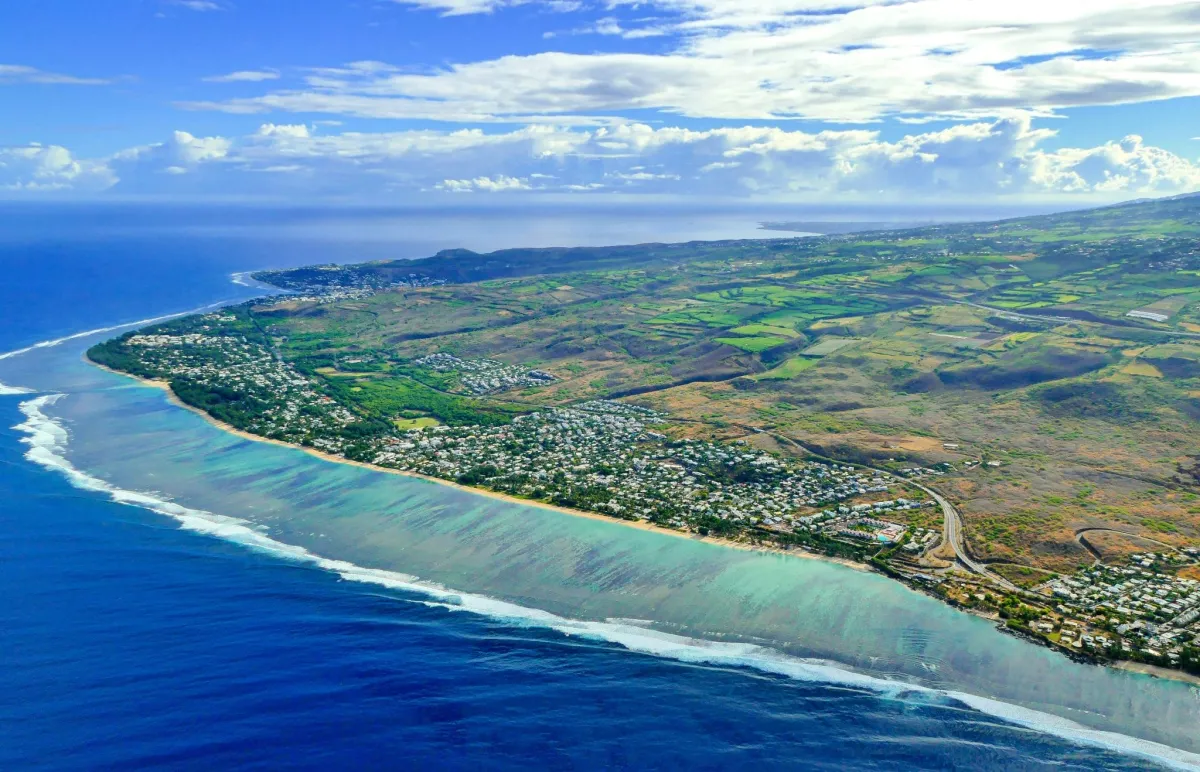 Photo: Réunion, via img.flytrippers.com
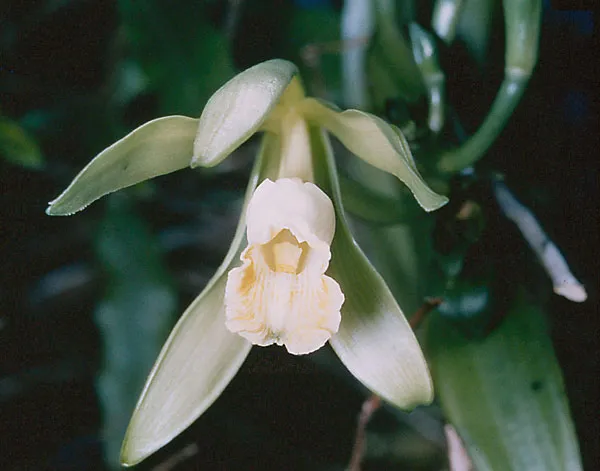 Photo: Edmond Albius, via blogger.googleusercontent.com
Edmond had grown up around plants—his owner, Ferréol Bellier-Beaumont, was an amateur botanist who often took the boy on walks through his gardens. On this particular day, Edmond decided to try something. Using a small stick and his thumb, he carefully lifted the tiny flap of membrane that separated the male and female parts of the vanilla flower and pressed them together.
It worked.
Months later, that hand-pollinated flower produced a perfect vanilla bean. Edmond had cracked the code that had mystified European scientists for three centuries. Even more remarkable, he could teach the technique to anyone in about five minutes.
From Plantation to Pantry
Word of Edmond's discovery spread quickly through European colonies across the Indian Ocean. Madagascar, with its ideal climate and cheap labor, became the epicenter of a vanilla boom that continues today. By the 1890s, Madagascar was producing more vanilla than Mexico ever had.
But vanilla remained expensive—until chemistry stepped in. In 1874, German scientists figured out how to synthesize vanillin, vanilla's primary flavor compound, from wood pulp. Suddenly, that complex, exotic flavor could be mass-produced for pennies.
American food manufacturers went wild. Vanilla extract became a baking staple in every household. Ice cream makers could afford to use vanilla as their base flavor instead of just selling it as a luxury. Cookie companies started adding vanilla to everything from sugar cookies to chocolate chip recipes.
The Artificial Revolution
Today, about 99% of the vanilla flavoring in American food comes from synthetic sources—mostly wood pulp byproducts from paper mills. That vanilla extract in your spice rack? Unless you specifically bought pure vanilla extract (which costs about ten times more), it's probably artificial.
This isn't necessarily a bad thing. Synthetic vanillin tastes remarkably similar to the real stuff for most applications. It's consistent, shelf-stable, and cheap enough that food manufacturers can add it liberally without breaking their budgets. That's why vanilla shows up in unexpected places—it rounds out flavors and adds complexity without dominating.
The Lasting Legacy
Edmond Albius died in poverty in 1880, never receiving recognition or compensation for the discovery that transformed global agriculture. But his five-minute pollination technique—still performed by hand on vanilla plantations worldwide—democratized a flavor that had been the exclusive province of the wealthy.
Today, real vanilla is more available than ever, thanks to Edmond's breakthrough. Madagascar produces about 80% of the world's natural vanilla using his method. Yet most Americans have never tasted pure vanilla extract, living instead on the synthetic version that his discovery made economically viable.
Every time you bite into a vanilla cookie or scoop vanilla ice cream, you're tasting the legacy of a 12-year-old boy who solved one of botany's greatest mysteries with nothing but curiosity and careful observation. He turned vanilla from a Mexican monopoly into America's most beloved background flavor—even if most of us have never actually tasted the real thing.