Sweet Desperation: How World War I Rationing Accidentally Created the Modern Candy Bar
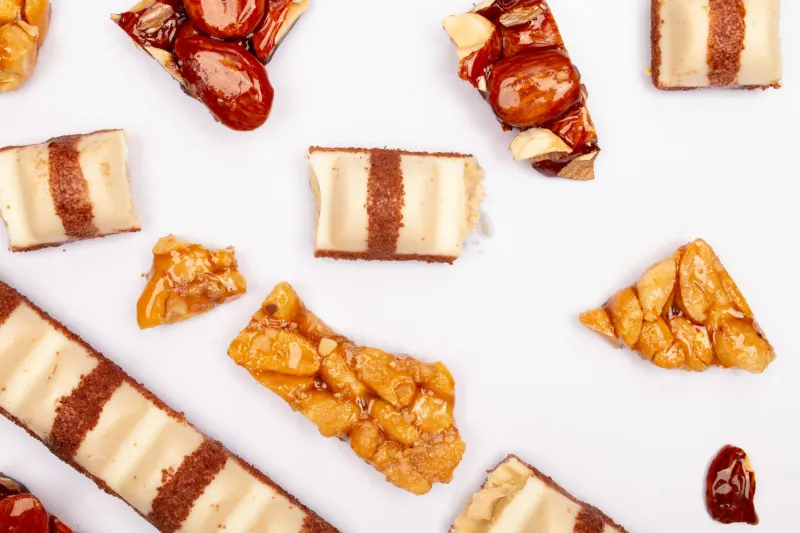
Every checkout lane tells the same story: rows of candy bars packed with nuts, caramel, nougat, and chocolate. Snickers, Baby Ruth, Charleston Chew—they all follow the same basic formula. But this wasn't the result of careful market research or culinary innovation. It was pure desperation.
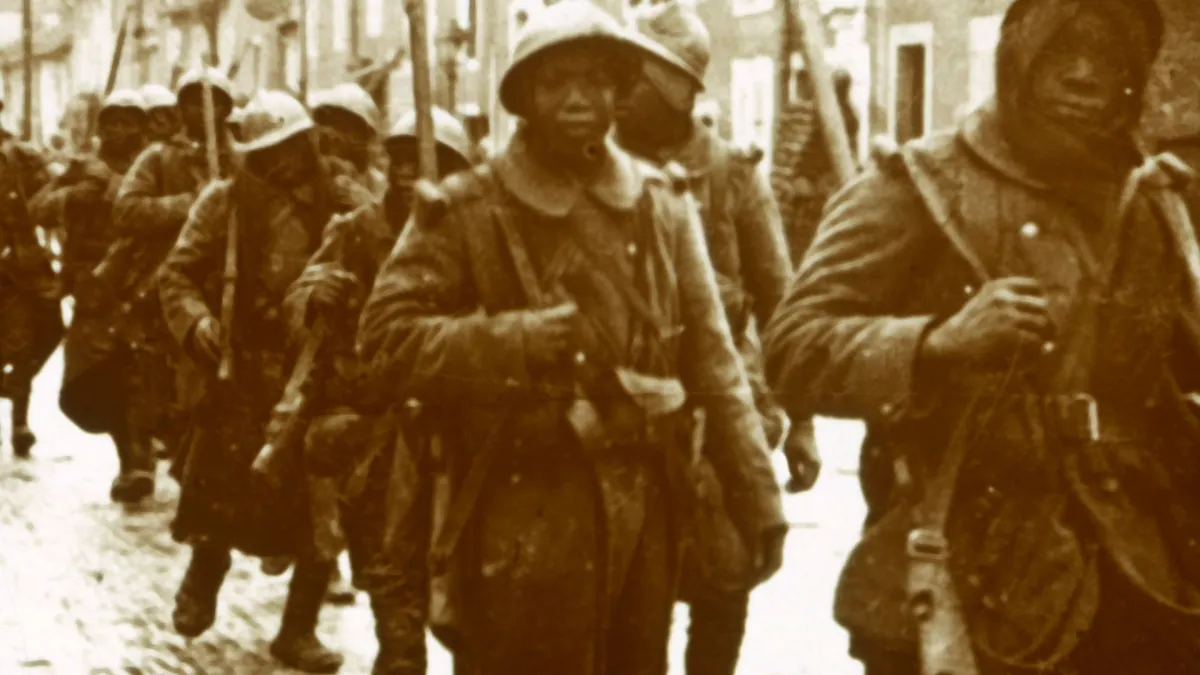 Photo: World War I, via assets.editorial.aetnd.com
When Sugar Became Gold
Before 1917, American candy was simple. Hard candies, pure chocolate, basic taffy. Sugar was cheap and plentiful, so confectioners didn't need to stretch their supplies with other ingredients.
Then America entered World War I, and everything changed overnight.
The government immediately rationed sugar for the war effort. Candy manufacturers watched their primary ingredient become scarce and expensive. Many small confectioneries simply closed their doors, unable to compete for limited supplies.
Those who survived had to get creative fast.
The Great Candy Experiment
Confectioners across the country faced the same math problem: how to make candy with less sugar while keeping customers happy and businesses profitable.
The answer lay in bulk. If sugar was expensive, they'd add cheaper ingredients to stretch each batch further. Nuts were plentiful and added substance. Nougat could be made with corn syrup instead of pure sugar. Caramel provided sweetness while using less refined sugar.
What started as cost-cutting measures accidentally created more interesting flavors and textures than pure sugar candy ever offered.
The Accidental Pioneers
In Chicago, the Curtiss Candy Company mixed peanuts with nougat and covered the whole thing in chocolate, creating the Baby Ruth in 1921. They weren't trying to revolutionize candy—they were trying to survive.
Meanwhile in Minneapolis, Frank Mars combined nougat, caramel, and peanuts for what would become the Milky Way. Again, this wasn't innovation for its own sake. Mars needed to make his sugar supplies last longer.
The same pattern repeated nationwide. The Charleston Chew stretched chocolate with nougat. The Clark Bar mixed chocolate with peanut butter. The Oh Henry! combined everything confectioners could get their hands on.
Why the Formula Worked
These accidental combinations succeeded for reasons their creators never anticipated. The mixed textures created more interesting eating experiences than simple hard candies. Nuts added protein, making the bars more satisfying. The combination of sweet and salty flavors hit taste preferences that pure sugar candy couldn't match.
More importantly from a business perspective, these bars were portable and didn't melt as easily as pure chocolate. They could survive in store displays, coat pockets, and lunch boxes without falling apart.
Workers discovered that a candy bar provided quick energy that lasted longer than simple sugar rushes. The added fats and proteins from nuts created sustained satisfaction that kept customers coming back.
From Wartime Necessity to Peacetime Preference
When the war ended and sugar became available again, something surprising happened. Americans didn't go back to simple candies. They'd developed a taste for the complex flavors and textures that wartime rationing had accidentally created.
Confectioners realized they'd stumbled onto something bigger than a temporary solution. The candy bar format offered endless variation possibilities. Different nuts, various nougat flavors, alternative sweeteners—each combination could become a distinct product.
By the 1920s, candy bars had become the dominant format in American confectionery. The industry that had nearly died during wartime rationing emerged stronger and more innovative than ever.
The Birth of Modern Marketing
The candy bar format also enabled new marketing strategies. Unlike bulk candies sold by weight, bars could be branded, packaged, and promoted individually. Each product could develop its own identity and customer loyalty.
Companies began naming bars after popular figures, sports heroes, and cultural trends. The marketing potential of individually wrapped, branded candy products proved as valuable as the taste innovations themselves.
This shift from commodity candy to branded products transformed confectionery from a simple trade into a modern consumer industry.
The $36 Billion Legacy
Today, the American candy bar industry generates over $36 billion annually, built entirely on formulas that desperate confectioners invented to survive sugar shortages over a century ago.
Every major candy bar still follows the same basic principle: combine chocolate with cheaper, more substantial ingredients to create something more satisfying than pure sugar candy.
The next time you unwrap a Snickers or bite into a Baby Ruth, you're tasting the legacy of wartime rationing. What began as a desperate attempt to stretch scarce ingredients became the foundation of an entire industry.
Sometimes the most lasting innovations come not from abundance, but from the creative solutions we find when everything seems impossible.