How a Failed Health Spa Patient Convinced America to Eat Cardboard for Breakfast

The Invalid Who Built an Empire
Charles William Post arrived at Dr. John Harvey Kellogg's Battle Creek Sanitarium in 1891 as a broken man. Suffering from what doctors vaguely called "nervous exhaustion," Post spent months choking down the institution's famously bland health foods — tasteless grain mush, stale crackers, and bitter coffee substitutes made from roasted grains.
 Photo: Battle Creek Sanitarium, via townsquare.media
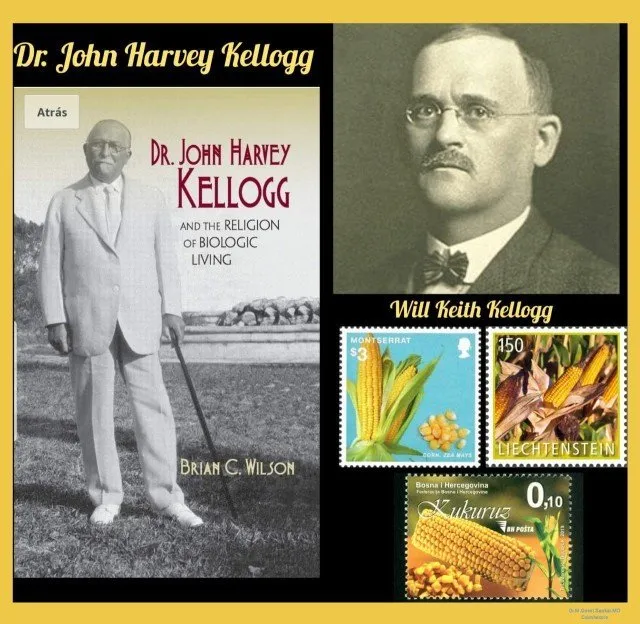 Photo: Dr. John Harvey Kellogg, via cmeindia.in
Most patients left grateful to return to real food. Post left with a business plan.
While Kellogg viewed his austere meals as medicine for both body and soul, Post saw something else entirely: a massive untapped market hiding behind terrible marketing. Americans were eating heavy breakfasts of fried eggs, bacon, sausage, and thick slabs of buttered bread every single morning. What if he could convince them that cold, crunchy grain flakes were not just better for them, but actually desirable?
The Birth of Breakfast Theater
Post's first product launch in 1895 would make modern marketing executives weep with envy. He didn't just sell a coffee substitute made from wheat, bran, and molasses — he sold a miracle cure called "Postum" that could supposedly treat everything from poor complexion to moral weakness.
His advertisements read like medical testimonials mixed with revival meeting fervor. "Lost Eyesight Through Coffee Drinking," screamed one headline, followed by dramatic stories of coffee drinkers going blind, losing their minds, or destroying their marriages. Postum, meanwhile, promised to restore health, happiness, and even marital bliss.
The strategy worked beyond Post's wildest dreams. Within two years, he was selling $3 million worth of grain-based coffee substitute annually — equivalent to roughly $100 million today.
From Flakes to Fortune
Emboldened by Postum's success, Post turned his attention to breakfast itself. In 1898, he launched "Grape-Nuts," a rock-hard cereal that contained neither grapes nor nuts but somehow convinced Americans it was both delicious and transformative.
Post's Grape-Nuts advertisements pushed the boundaries of what the government would later call truth in advertising. The cereal supposedly cured tuberculosis, malaria, consumption, and loose teeth. One particularly bold campaign claimed that eating Grape-Nuts for ten days would add red corpuscles to your blood — a claim so medically absurd it would be laughable if it hadn't sold millions of boxes.
But Post's real genius wasn't in the wild health claims — it was in repositing breakfast as a convenience rather than a chore. His ads targeted busy housewives, promising them freedom from the daily grind of cooking hot breakfasts. "No cooking, no fuss, no bother," became his rallying cry.
The Cereal Wars Begin
Post's success triggered what historians now call the "Cereal Wars" of the early 1900s. Dozens of imitators flooded Battle Creek, turning the small Michigan town into America's breakfast cereal capital. The Kellogg brothers eventually joined the fray with their own version of corn flakes, leading to bitter patent disputes and marketing battles that lasted decades.
But Post had already changed the fundamental equation. Before his marketing blitz, breakfast was something mothers cooked. After Post, breakfast was something families bought. He had successfully convinced Americans that opening a box and adding milk was not just acceptable, but actually superior to preparing fresh food.
The Psychology of the Morning Bowl
Post understood something about American psychology that his competitors missed: people wanted to believe their food choices reflected modern, scientific thinking. His advertisements didn't just promise convenience — they promised membership in a smarter, more enlightened class of people who had moved beyond the primitive practice of cooking breakfast.
This positioning proved remarkably durable. Even today, cereal marketing relies heavily on Post's basic formula: combine health claims (often dubious), convenience promises (undeniably true), and social signaling (you're the kind of person who makes smart choices) into a package that makes cold grain flakes feel like progress.
The Lasting Legacy of a Sanitarium Dropout
Post died in 1914, but his influence on American eating habits proved permanent. The cold cereal industry he created now generates over $20 billion annually, and the average American child will consume 160 bowls of cereal before graduating high school.
More importantly, Post established the template for modern food marketing: take a simple, inexpensive product, wrap it in health claims and convenience promises, then convince consumers they're making a sophisticated choice. From energy bars to protein powders to meal replacement shakes, Post's ghost haunts every grocery store aisle.
The next time you pour milk over a bowl of flakes, remember that you're not just eating breakfast — you're participating in one of the most successful marketing campaigns in American history, launched by a man who learned everything he needed to know about selling food by hating every meal he ate at a health spa.