When Lunch Pails Ruled Summer: How Industrial Buckets Became America's Picnic Essential
When Lunch Pails Ruled Summer: How Industrial Buckets Became America's Picnic Essential
Walk through any park on a summer weekend and you'll see expensive coolers, insulated bags, and wicker picnic baskets. But for nearly a century, Americans reached for something much simpler: the tin lard bucket. What began as industrial packaging accidentally became the foundation of American outdoor dining culture.
The Bucket That Fed America's Workers
In the 1880s, lard came packaged in sturdy tin pails with tight-fitting lids and wire handles. Once families scraped out the last bit of cooking fat, they faced a choice: toss the bucket or find another use. American frugality won every time.
Railroad workers discovered these empty lard pails were perfect for carrying lunch to remote job sites. The metal kept food cool, the lid sealed tight against dust and rain, and the wire handle made transport easy. Word spread through work camps, construction sites, and factories. By 1900, the "dinner pail" had become synonymous with honest work.
But workers weren't the only ones paying attention.
From Worksites to Weekend Adventures
Families noticed what their breadwinners carried to work every day. These buckets were practical, affordable, and already sitting in most kitchens. When Americans began taking weekend trips to lakes, forests, and fairgrounds in the early 1900s, they naturally grabbed what they knew worked.
The timing was perfect. Henry Ford's assembly line had made cars more affordable, and the Good Roads Movement was improving highways. Suddenly, outdoor recreation wasn't just for the wealthy. Middle-class families could drive to picnic spots, and they needed something to carry their food.
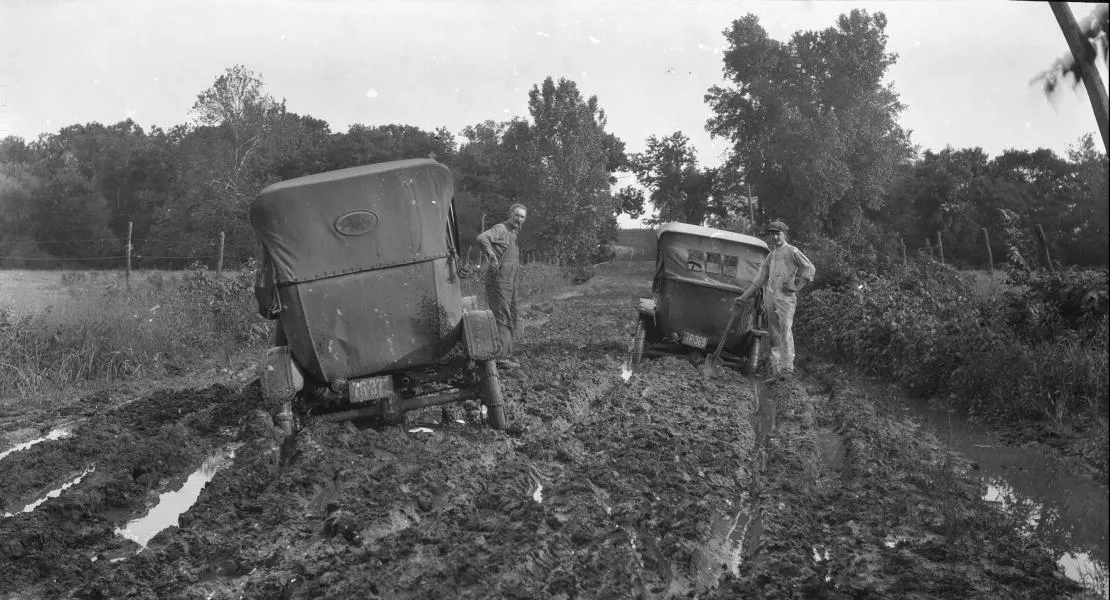 Photo: Good Roads Movement, via missouriencyclopedia.org
 Photo: Henry Ford, via image.lexica.art
Paint buckets worked just as well as lard pails, and hardware stores began marketing them directly to families. By the 1920s, Sears catalogs featured "picnic pails" alongside camping gear and outdoor furniture.
The Science of Simple Success
What made these humble buckets so effective? The answer lies in their accidental engineering brilliance.
Tin naturally conducted heat away from contents, keeping food cooler than cloth baskets or wooden boxes. The tapered shape allowed multiple buckets to nest together for storage. The wire handles stayed cool to the touch and could hang from car hooks or tree branches.
Most importantly, the wide opening made packing and unpacking simple. Unlike modern coolers with narrow openings, families could see everything at once and grab what they needed without digging.
County Fair Culture and Community Gathering
By the 1930s, tin pail picnics had become deeply embedded in American culture. County fairs began hosting "dinner pail contests" where families competed for the most creative outdoor meal. Church groups organized "pail socials" where everyone brought dishes to share.
The Great Depression only strengthened the tradition. When money was tight, repurposing industrial containers made perfect sense. Families who couldn't afford store-bought picnic supplies could still enjoy outdoor meals together.
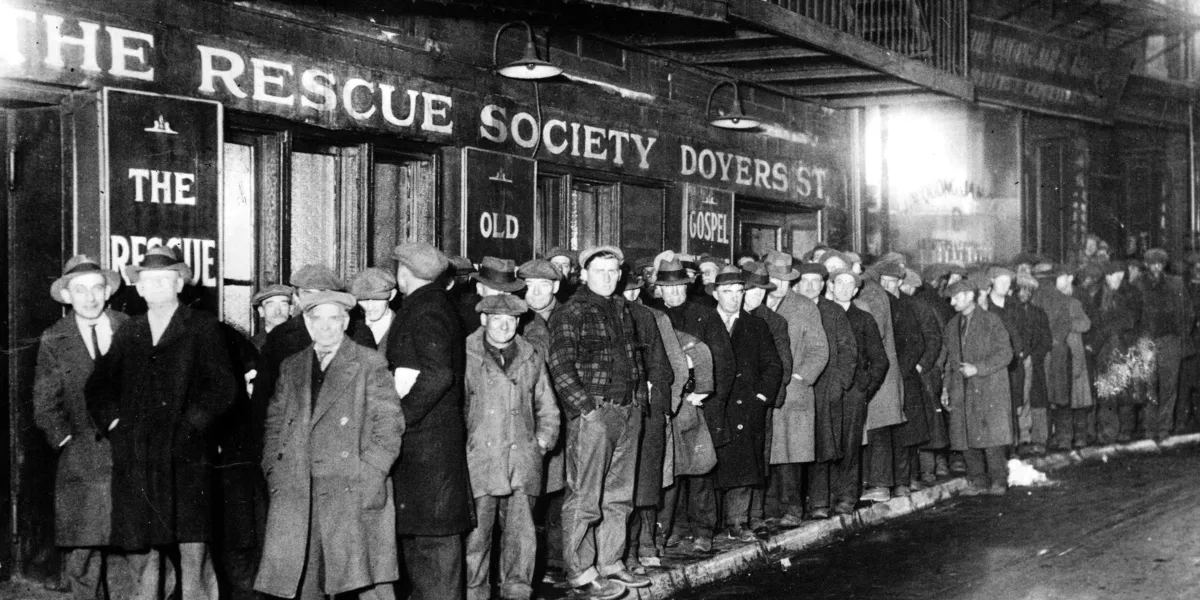 Photo: Great Depression, via res.cloudinary.com
Photographs from the era show the same scene repeated across the country: families gathered around checkered blankets, tin pails open beside them, sharing simple meals in natural settings.
The Beginning of the End
World War II changed everything. Tin became a strategic material, rationed for military use. Lard packaging shifted to cardboard containers, and paint manufacturers experimented with paper buckets.
After the war, suburban prosperity brought new outdoor dining expectations. Plastic coolers promised better insulation, and wicker baskets offered more style. The functional tin pail began to feel outdated.
By the 1960s, most Americans had forgotten that their grandparents once carried lunch and picnic meals in repurposed industrial containers.
The Legacy Lives On
Yet the influence of those humble buckets persists in unexpected ways. Modern picnic basket designs still prioritize wide openings and easy access. Cooler manufacturers emphasize durability and tight seals—features that made lard pails successful.
More importantly, the tin pail tradition established outdoor dining as an essential American experience. It proved that good food and good company mattered more than fancy equipment.
Today's elaborate picnic gear serves the same basic purpose those railroad workers discovered over a century ago: bringing people together over shared meals in beautiful places. The containers have changed, but the human need for simple outdoor pleasures remains exactly the same.
Sometimes the best innovations happen when people simply make do with what they have.