When America Banned Booze and Accidentally Invented Happy Hour
The Law That Backfired Spectacularly
On January 17, 1920, America went dry. The Eighteenth Amendment promised to eliminate the "demon rum" from American life, ushering in an era of moral clarity and social improvement. Instead, it accidentally created one of the most enduring traditions in American social life: the pre-dinner cocktail hour.
Before Prohibition, American drinking was remarkably straightforward. Men gathered in saloons after work for beer and whiskey. Women rarely drank in public. Mixed drinks were simple affairs — whiskey with water, gin with tonic, maybe a julep on special occasions. The idea of gathering before dinner to sip elaborate cocktails while making small talk would have struck most Americans as absurdly European.
Then the government made alcohol illegal, and everything changed.
The Speakeasy Revolution
Prohibition didn't eliminate drinking — it drove it underground and, paradoxically, made it more sophisticated. The speakeasies that replaced corner saloons operated under entirely different social rules. They were hidden, exclusive, and dangerous, which made them irresistibly glamorous to exactly the kind of people who had never set foot in a working-class saloon.
More importantly, speakeasies mixed the sexes in ways that traditional drinking establishments never had. Women who would never have entered a pre-Prohibition saloon found themselves sipping cocktails alongside men in dimly lit basement clubs. This social mixing created demand for drinks that appealed to more refined palates than the straight whiskey that had dominated American drinking.
The Bootlegger's Unintended Gift
Prohibition-era alcohol was notoriously awful. Bootleggers cut corners wherever possible, producing spirits that ranged from merely harsh to potentially deadly. This created an urgent need for mixology — the art of making terrible liquor taste good through creative combinations of bitters, fruit juices, and flavored syrups.
Suddenly, American bartenders became chemists, experimenting with complex recipes that could mask the burn of raw alcohol while creating sophisticated flavor profiles. The Sidecar, the Bee's Knees, the Gin Rickey — dozens of cocktails that remain popular today were born from the simple necessity of making bootleg liquor palatable.
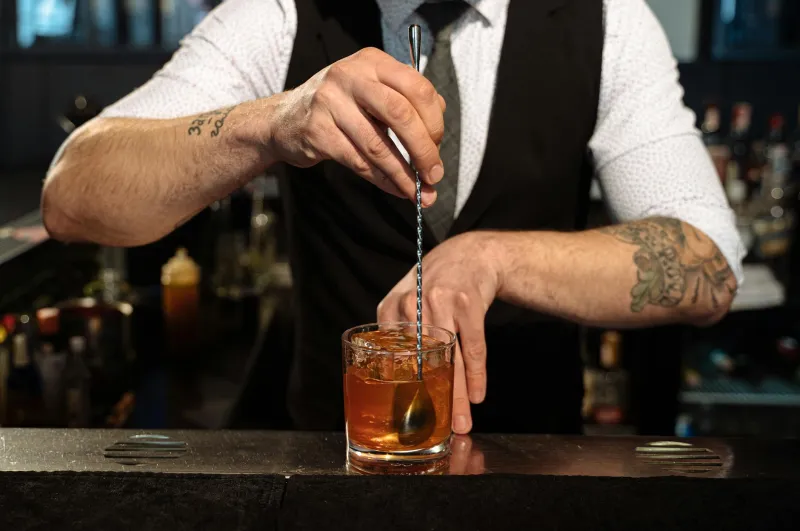
This innovation had an unexpected social consequence: drinking became a performance. Mixing cocktails required skill, knowledge, and showmanship. The ritual of cocktail preparation became almost as important as the drinking itself, transforming alcohol consumption from a simple transaction into an elaborate social ceremony.
European Influence in American Glasses
Prohibition also coincided with increased cultural exchange between America and Europe. Wealthy Americans fleeing dry laws spent extended periods in Paris, London, and Rome, where they encountered sophisticated drinking cultures that had evolved over centuries. The European tradition of the aperitif — a pre-dinner drink designed to stimulate appetite and encourage conversation — particularly captivated American expatriates.
When these cultural refugees returned home, they brought European drinking customs with them. The idea of gathering before dinner for cocktails and conversation struck newly sophisticated Americans as the height of cosmopolitan living. It was Continental, it was cultured, and it was exactly the kind of ritual that separated the worldly from the provincial.
The Post-Repeal Cocktail Hour
When Prohibition ended in 1933, American drinking culture had been permanently transformed. The speakeasy generation had developed tastes for complex cocktails and ritualized drinking that survived the return of legal alcohol. More importantly, they had established new social patterns around alcohol consumption that emphasized sophistication over simple intoxication.
The cocktail hour became a fixture of middle-class American life during the 1940s and 1950s. Suburban couples gathered in living rooms for martinis before dinner, transforming their homes into private clubs. The ritual served multiple social functions: it marked the transition from work to leisure, provided a structured opportunity for adult conversation, and demonstrated cultural sophistication.
The Madison Avenue Blessing
Advertising executives of the 1950s recognized the cocktail hour as the perfect vehicle for selling not just alcohol, but an entire lifestyle. Print advertisements and television commercials depicted the pre-dinner drink as essential to successful adult life. The right cocktail, served in the right glassware, in the right setting, became a marker of social achievement.
This marketing push codified practices that had emerged organically during Prohibition into rigid social expectations. The cocktail hour wasn't just something sophisticated people did — it was something sophisticated people were supposed to do.
Happy Hour's Corporate Evolution
By the 1960s, the cocktail hour had evolved beyond the home into commercial spaces. Restaurants and bars began offering discounted drinks during the early evening hours, creating the "happy hour" that remains a fixture of American social life. The practice combined Prohibition-era cocktail culture with modern marketing, creating a ritual that serves both social and economic functions.
Today's happy hour preserves many elements of the original speakeasy culture: the emphasis on cocktails over simple drinks, the mixing of professional and social relationships, and the sense that participating in the ritual demonstrates cultural sophistication.
The Prohibition Paradox Lives On
The irony is almost too perfect: America's most ambitious attempt to eliminate alcohol from social life instead created drinking customs that proved more durable than anything that came before. The law that was supposed to end American drinking culture instead refined it, creating rituals and expectations that continue to shape how Americans socialize around alcohol nearly a century later.
Every time you meet colleagues for after-work drinks or gather friends for cocktails before dinner, you're participating in a tradition that emerged from one of the greatest policy failures in American history. Prohibition didn't teach Americans to stop drinking — it taught them to drink with style.