When America's Backyards Became Battlefields Against Hunger
When America's Backyards Became Battlefields Against Hunger
In 1943, a Detroit factory worker named Eleanor Roosevelt was growing tomatoes on the White House lawn. Across America, city dwellers were ripping up rose bushes to plant beans. Children were skipping school to tend radish patches in vacant lots. At the height of World War II, amateur gardeners were producing nearly 40 percent of all vegetables consumed in the United States.
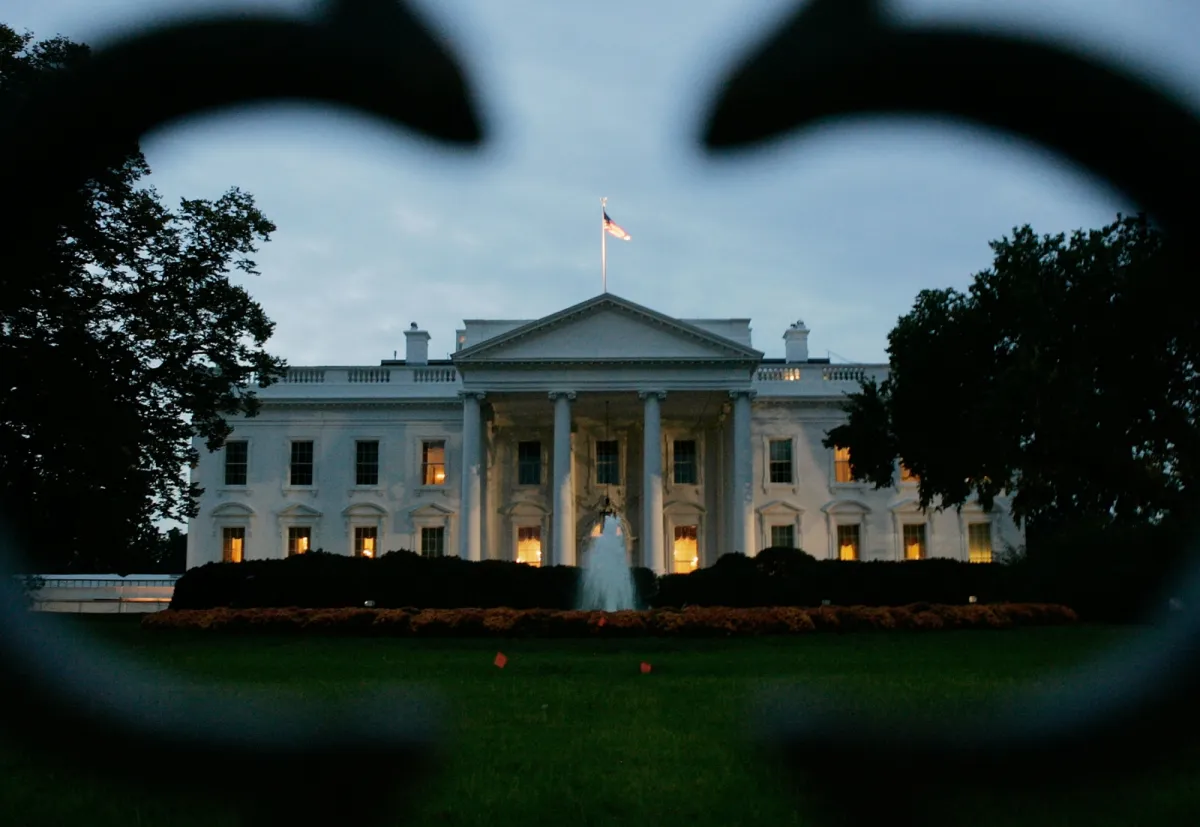 Photo: White House, via d.ibtimes.co.uk
This wasn't a back-to-the-land movement or environmental awakening. It was war.
The Victory Garden campaign started as desperate government propaganda designed to prevent food shortages. But it accidentally triggered the most successful grassroots agricultural movement in American history — one whose roots still shape how we think about food, community, and self-reliance today.
When Uncle Sam Asked America to Dig
The problem was simple: feeding both American civilians and Allied armies overseas was stretching the nation's food system beyond its limits. Commercial farmers were losing workers to military service and defense factories. Transportation networks prioritized military supplies over civilian groceries. By 1942, government officials were quietly panicking about potential famine.
The solution was radical: convince ordinary Americans to grow their own food.
Charles Lathrop Pack, a lumber magnate turned conservation advocate, had tested the idea during World War I with modest success. But the World War II campaign dwarfed anything previously attempted. The government launched a full-scale propaganda blitz that made gardening feel like patriotic duty.
"Our food is fighting," declared government posters showing vegetables marching off to war. "Plant a Victory Garden" became as familiar as any wartime slogan. Radio shows featured gardening tips between war updates. Hollywood stars posed with hoes and seed packets.
The message was clear: every tomato you grow is a bullet for democracy.
From Penthouse to Prison: America Starts Digging
The response was extraordinary. Within months, Americans were gardening everywhere imaginable. Manhattan apartment dwellers grew lettuce in window boxes. San Francisco residents converted Golden Gate Park meadows into vegetable plots. Prisoners tended massive gardens behind bars. Even Alcatraz inmates grew produce for the war effort.
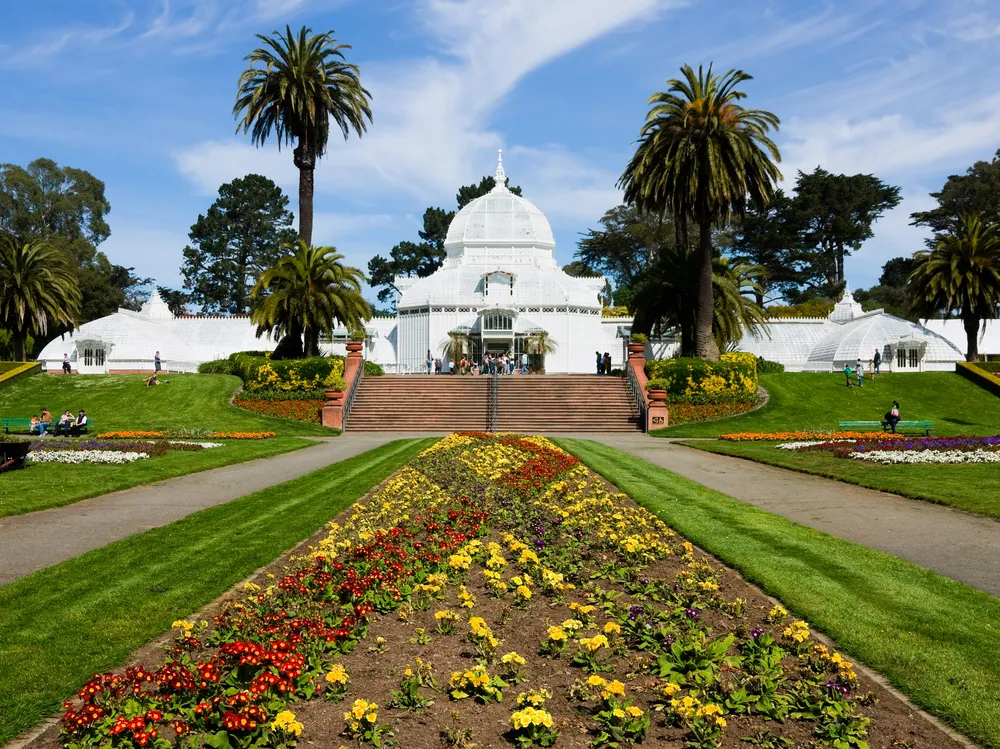 Photo: Golden Gate Park, via media.timeout.com
The most surprising converts were urban families who had never touched soil. Department stores began selling seed packets alongside rationed sugar. Hardware stores couldn't keep gardening tools in stock. Agricultural extension offices — originally designed to help rural farmers — found themselves teaching city folks how to tell weeds from carrots.
By 1944, an estimated 20 million Victory Gardens were producing 8 million tons of vegetables annually. That's roughly equivalent to the output of every commercial farm in California today.
The Accidental Food Revolution
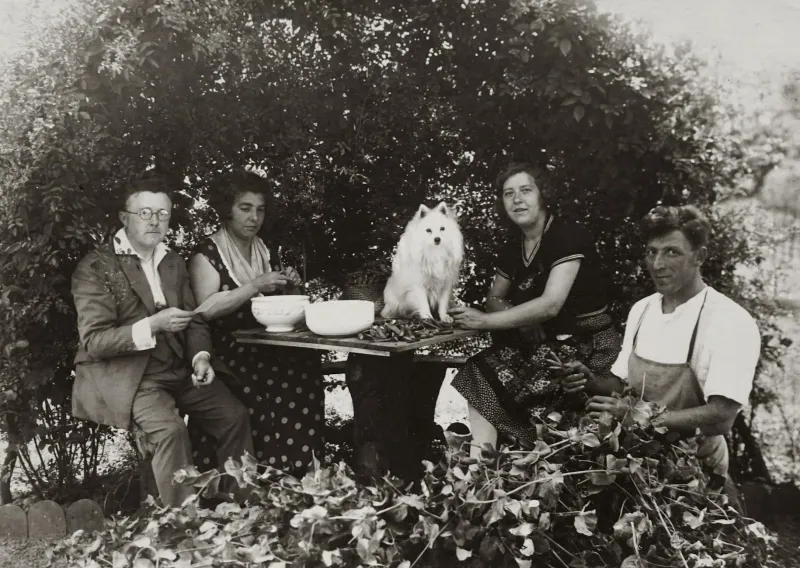
What started as wartime necessity quickly became something deeper. Families discovered that homegrown tomatoes tasted different from store-bought ones. Children learned where food actually came from. Neighbors began sharing surplus vegetables, creating informal food networks that strengthened community bonds.
The government had expected Victory Gardens to be a temporary sacrifice, like rationing or blackout curtains. Instead, they unleashed a fundamental shift in how Americans related to their food.
People who had never questioned where groceries came from suddenly understood the work, weather, and timing involved in growing food. They experienced the satisfaction of eating something they had planted, tended, and harvested themselves. For many, it was the first time food felt like more than just fuel.
When the War Ended, the Gardens Didn't
After V-J Day, government officials assumed Victory Gardens would disappear as quickly as they had sprouted. Soldiers were returning to reclaim agricultural jobs. Commercial farming was ramping up production. The food crisis was over.
But millions of Americans kept gardening.
They had discovered something the government hadn't anticipated: growing your own food was addictive. Not because of patriotic duty, but because it was deeply satisfying. Victory Gardens had accidentally reconnected Americans to an agricultural heritage that industrialization had nearly erased.
Suburban developments of the 1950s routinely included vegetable plots alongside flower beds. Seed companies that had expanded rapidly during wartime found steady peacetime markets among former Victory Gardeners. Agricultural extension services continued teaching home gardening long after the last ration card expired.
The Victory Garden DNA in Modern Food Culture
Today's farm-to-table restaurants, community gardens, and urban farming initiatives all trace their DNA back to those wartime vegetable plots. The Victory Garden campaign had taught an entire generation that good food comes from good soil, not just good marketing.
The slow food movement, farmers markets, and community-supported agriculture all echo Victory Garden principles: local production, seasonal eating, and direct connections between growers and consumers. Even the modern obsession with "artisanal" and "handcrafted" foods reflects values first popularized by wartime gardening propaganda.
Urban farming advocates today use remarkably similar language to 1940s Victory Garden promoters: growing food builds community resilience, reduces environmental impact, and creates healthier relationships with what we eat.
Seeds of Self-Reliance
The Victory Garden campaign succeeded beyond its creators' wildest dreams — not just in feeding America during wartime, but in planting ideas that continue growing decades later. Every community garden, every backyard tomato plant, every farmers market vendor carries forward the radical notion that ordinary people can and should be involved in producing their own food.
What began as government desperation became grassroots transformation. A wartime propaganda campaign accidentally taught Americans that the most revolutionary act might be as simple as planting seeds in your own backyard.
The next time you bite into a homegrown tomato or shop at a farmers market, remember: you're participating in a food revolution that started when America decided to fight fascism with vegetables.