The Ration Book That Put Sour Cream on Every Baked Potato in America
The Night the Butter Ran Out
There's a good chance you've never thought twice about the sour cream sitting on top of your baked potato. It just belongs there — cool and tangy against the steaming starch, maybe with a little chive scattered over it. It feels like it was always that way.
It wasn't.
For most of American culinary history, the baked potato was a butter situation. Butter and cream were the finishing touches that made a simple spud feel like a proper side dish. Sour cream was something Eastern European grandmothers kept in the icebox for borscht and pierogies. It wasn't a topping. It wasn't even really on the radar of mainstream American cooking.
Then the war came — and the butter disappeared.
What Rationing Actually Did to American Kitchens
When the United States entered World War II in 1941, the federal government launched one of the most sweeping food management programs in American history. The Office of Price Administration began issuing ration books to every household, controlling access to everything from sugar and coffee to meat and dairy. Butter was among the most tightly rationed items on the list. Families received small weekly allotments, and what little they had was often saved for baking or spread thin across breakfast toast.
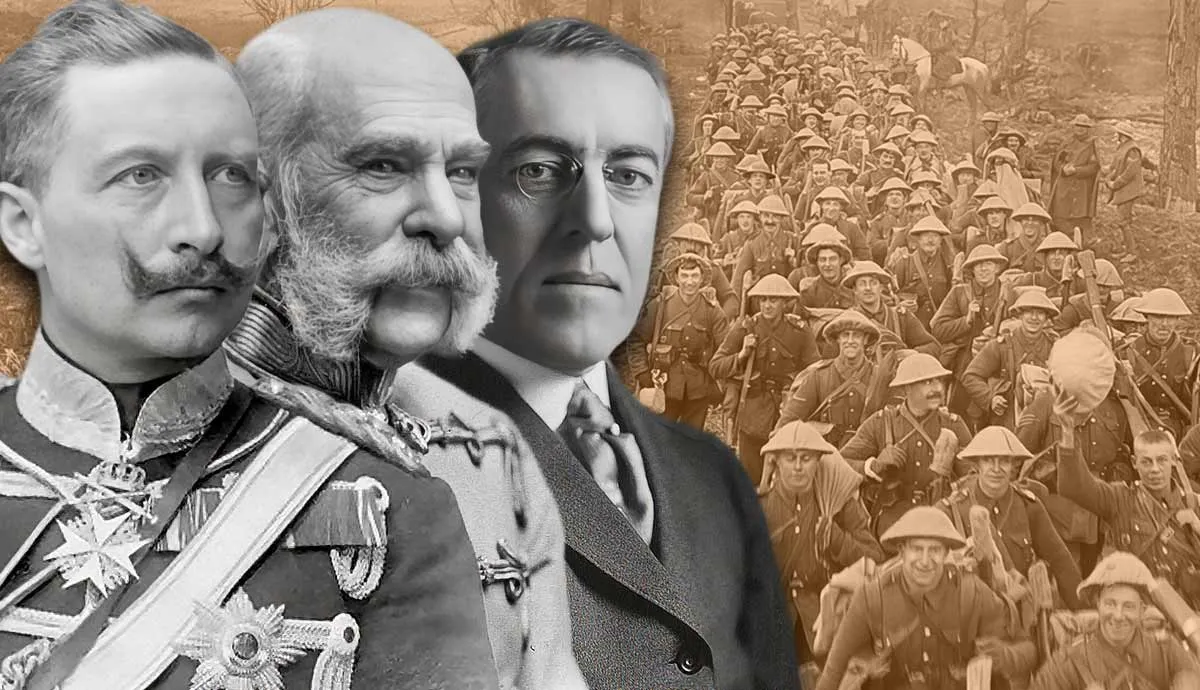 Photo: World War I, via cdn.thecollector.com
 Photo: Office of Price Administration, via media.cheggcdn.com
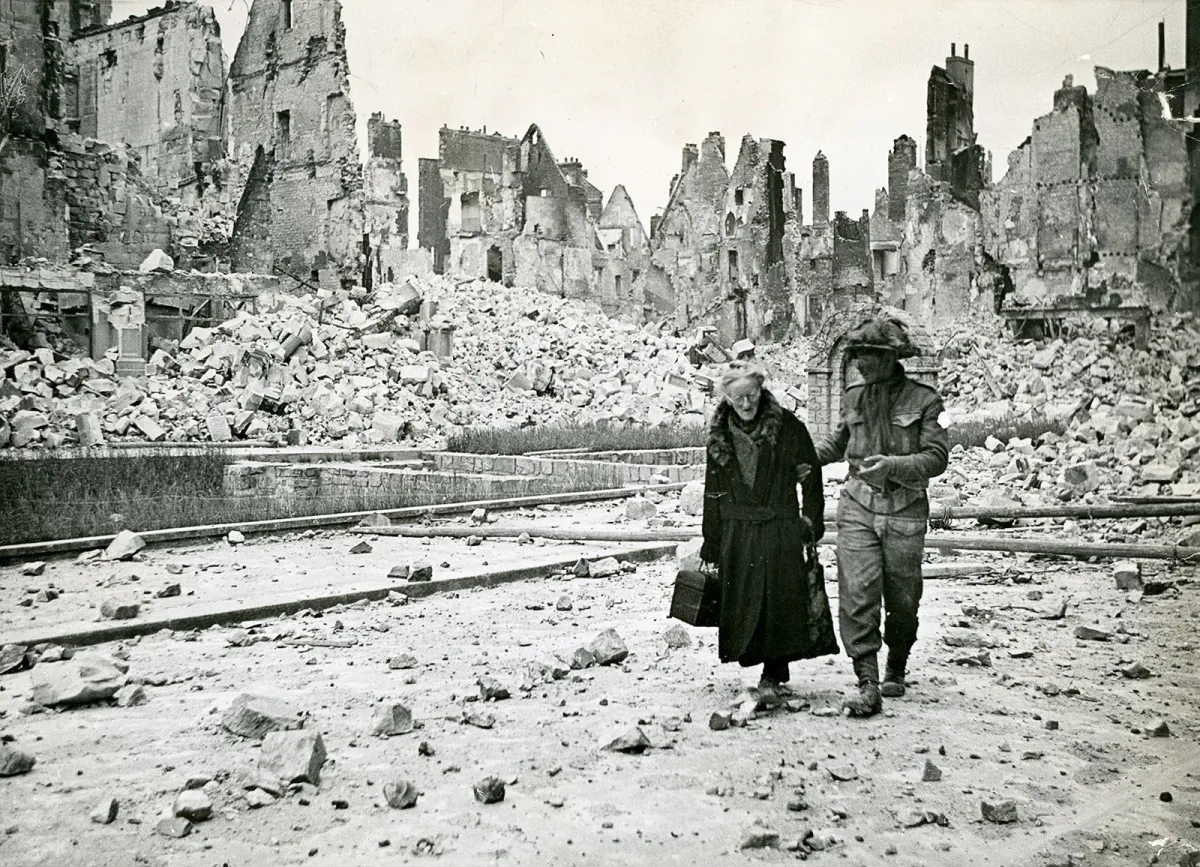 Photo: World War II, via cdn.britannica.com
Cream — the kind you'd pour over a potato or stir into a sauce — was similarly hard to come by. Commercial dairy production was being redirected toward military needs, and home cooks were left improvising.
This is where sour cream enters the story.
Sour cream had been a staple in immigrant communities for generations — particularly among Jewish, Polish, Russian, and German families who had brought their dairy traditions from Europe. It was cheap, it kept well, and it was far more available than fresh cream during the war years because it wasn't subject to the same rationing constraints. When butter and cream became luxuries, sour cream became a practical substitute.
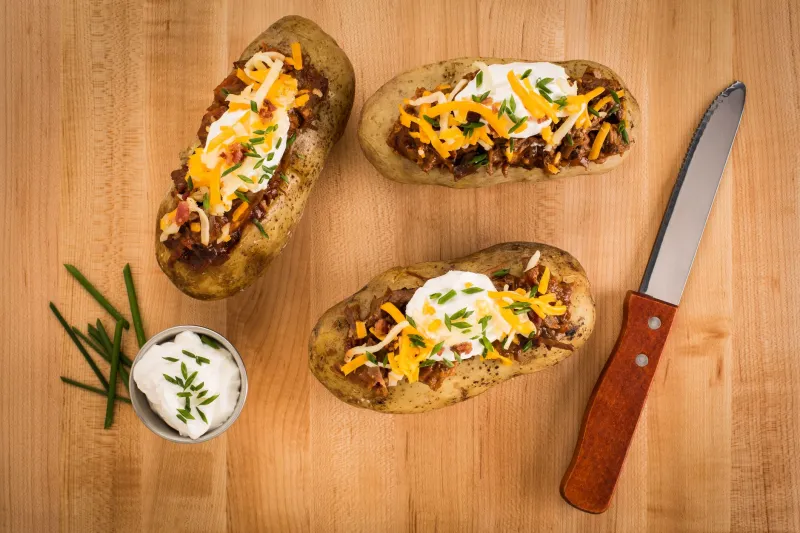
Home cooks started using it wherever cream had once gone. On top of baked potatoes, it turned out, it worked beautifully.
From Wartime Substitute to Postwar Standard
The interesting thing about food substitutions born from scarcity is that they don't always disappear when the shortage ends. Sometimes they stick — not because people had no choice anymore, but because the substitute turned out to be genuinely good.
That's exactly what happened with sour cream and the baked potato.
After the war ended and rationing was lifted in 1945, American kitchens flooded back with butter and cream. But a generation of home cooks had spent four years learning that sour cream on a potato was a perfectly satisfying, even superior, experience. The tang of the fermented dairy cut through the richness of the potato in a way that plain butter didn't quite manage. It had texture. It had bite.
Through the late 1940s and into the 1950s, sour cream began appearing on restaurant menus — particularly in the steakhouses that were becoming a fixture of postwar American dining culture. A thick-cut steak with a baked potato loaded with sour cream became the signature plate of upscale casual dining. It was hearty, it was American, and it carried just enough of a European flourish to feel sophisticated.
By the 1960s, sour cream had fully crossed over. Dairy brands were marketing it explicitly as a baked potato topping. Recipes in women's magazines treated it as a pantry essential. It had traveled from Eastern European immigrant kitchens through the wartime necessity of middle-American households and arrived, finally, in every grocery store refrigerator case in the country.
Rationing's Long Shadow Over What We Eat
The sour cream story is really part of a much larger pattern — one that repeats itself throughout American food history. Scarcity has a way of introducing ingredients and combinations that comfort and abundance never would have discovered on their own.
World War I rationing pushed Americans toward peanut butter as a protein substitute, helping cement its place as a household staple. Sugar shortages encouraged the use of corn syrup in baking, which quietly reshaped the flavor profile of American sweets. Meat rationing during World War II gave rise to casseroles and one-pot dishes built around smaller quantities of protein — dishes that became comfort food classics long after the war ended.
In each case, the pattern is the same: necessity forces a substitution, the substitution turns out to be good, and by the time the original ingredient returns, the new habit has already taken root.
Food historians sometimes call this the rationing ratchet — the idea that wartime food restrictions don't just temporarily change what people eat, they permanently expand the American palate by forcing exposure to ingredients and combinations that would otherwise have taken decades to gain mainstream acceptance.
Sour cream got there in four years because families had no choice. It stayed because it earned its place.
The Potato Never Looked Back
Today, the baked potato topped with sour cream is so embedded in American dining culture that it appears on menus from chain steakhouses to fast food drive-throughs. The sour cream industry in the United States generates hundreds of millions of dollars annually, and a significant portion of that is driven by the simple act of splitting open a potato and reaching for the container in the back of the fridge.
None of it would exist — at least not in the way it does — without a ration book and a wartime kitchen running low on butter.
Next time you load up a baked potato, you're not just reaching for a condiment. You're participating in a tradition born from scarcity, improvisation, and the quiet ingenuity of American home cooks who made the best of what they had — and accidentally made something better.