The Throwaway Cut That Conquered Super Bowl Sunday
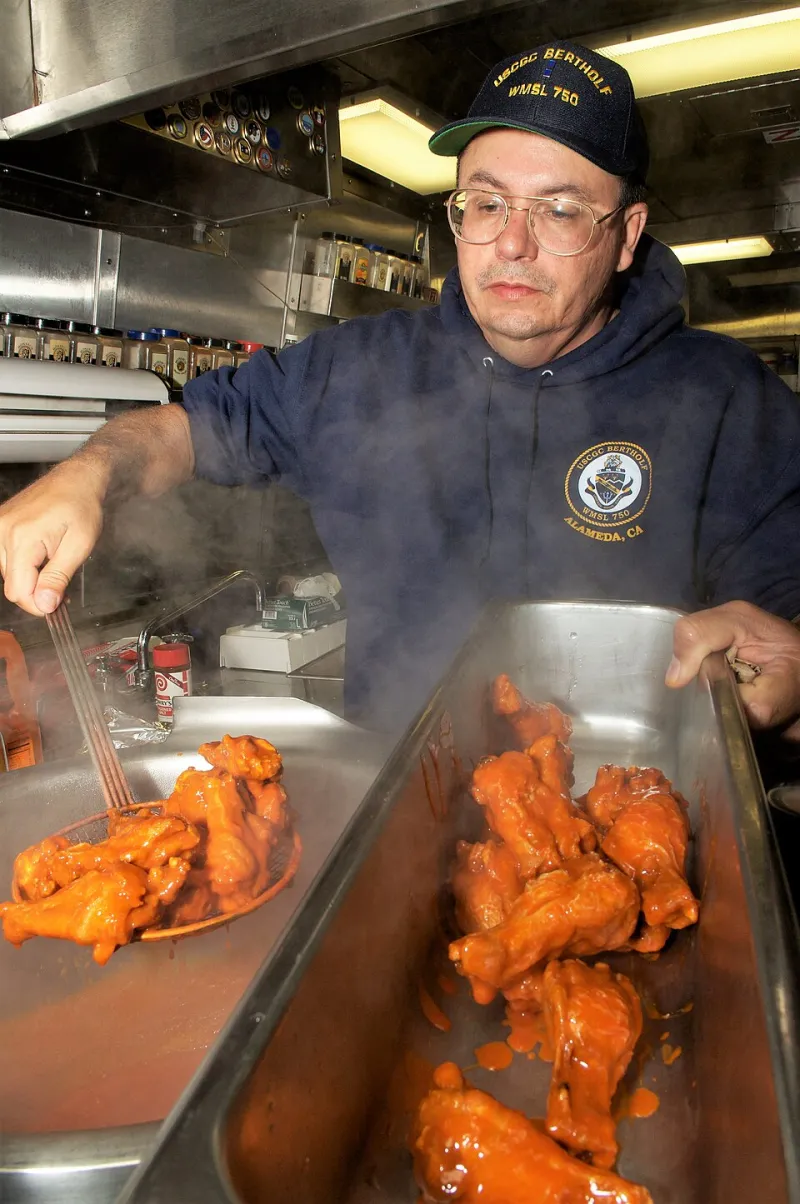
Photo: Coast Guard photo/ Petty Officer 2nd Class Jetta H. Disco, Public domain, via Wikimedia Commons
The Cut Nobody Wanted
Before 1964, if you walked into a butcher shop in America and asked for chicken wings, you'd probably get a strange look. Wings were the throwaway portion of the bird — bony, awkward to cook, and so low in meat yield that they were often sold for pennies a pound or simply used to make stock. Restaurants didn't serve them. Home cooks didn't seek them out. They were the part of the chicken that existed mostly to hold the rest of the bird together.
The idea that chicken wings would one day become a multi-billion dollar industry — that Americans would consume more than a billion of them on a single Sunday in February — would have seemed like a bad joke.
And yet here we are.
A Friday Night, a Delivery Mistake, and a Bar in Buffalo
The origin story of the Buffalo wing is one of those rare food history moments where the circumstances are specific enough to feel almost cinematic.
It's 1964. Teressa Bellissimo is working the kitchen at the Anchor Bar in Buffalo, New York — a neighborhood restaurant and bar that she runs with her husband Frank. On a Friday night, a delivery arrives that isn't quite what was ordered. Depending on which version of the story you hear, either a shipment of chicken necks was accidentally replaced with wings, or an unusually large quantity of wings showed up when a much smaller amount had been requested. Either way, Teressa suddenly has a surplus of chicken wings and a bar full of hungry people.
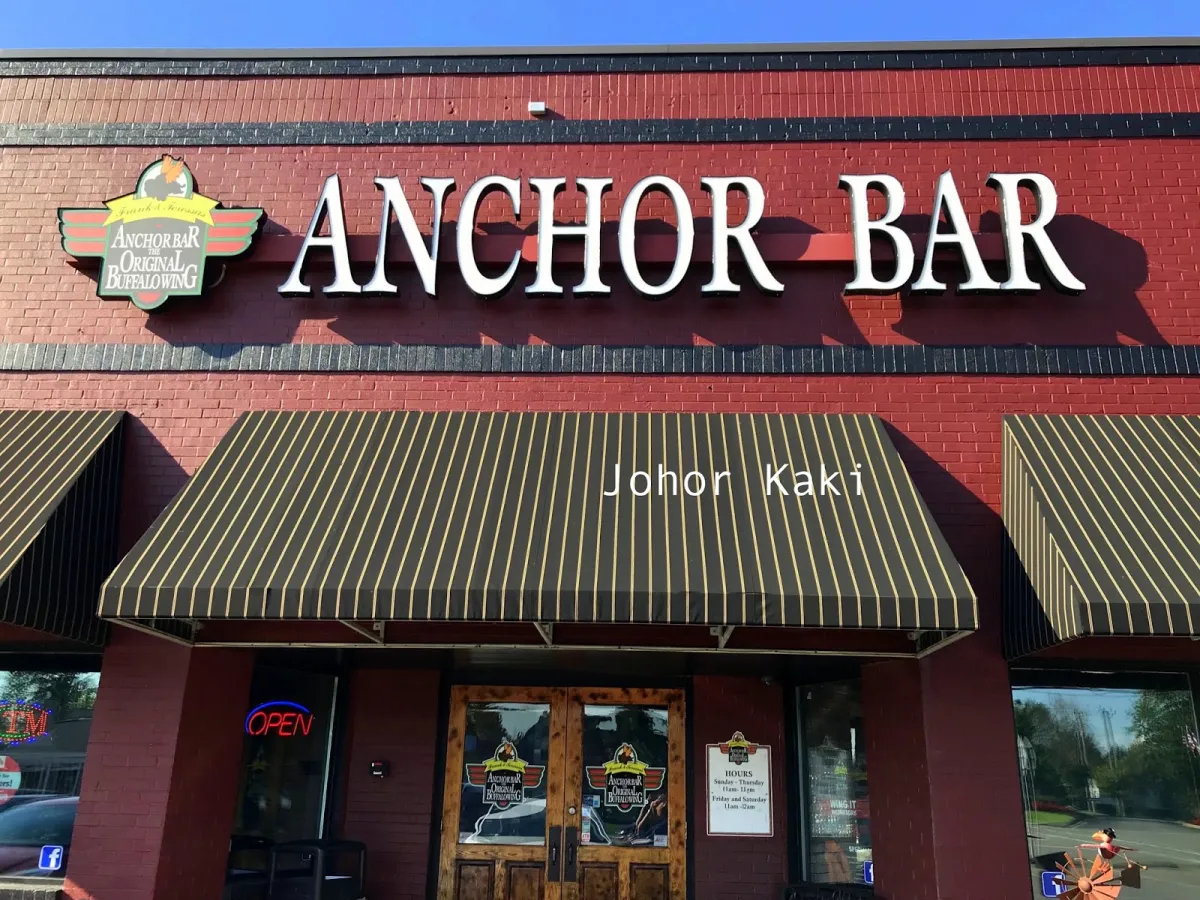 Photo: Anchor Bar, via 2.bp.blogspot.com
She deep-fries the wings, tosses them in a sauce made from butter and Frank's RedHot cayenne pepper sauce, and sends them out to the bar with celery sticks and blue cheese dressing on the side. The celery and blue cheese were practical choices — cooling agents to offset the heat, and items she already had on hand.
The bar's patrons, by all accounts, lost their minds over them.
The Anchor Bar began selling Buffalo wings as a regular menu item almost immediately, and word spread through the city with the kind of organic momentum that no marketing campaign could manufacture. By the late 1960s, Buffalo wings were a local institution. By the 1970s, they were beginning to appear on menus in other cities.
Why the Wings Were Free — and What That Made Possible
The economics of the original Buffalo wing matter more than they might seem.
Because wings were considered the least desirable part of the chicken, they were extraordinarily cheap in the early 1960s. Teressa Bellissimo wasn't working with a premium ingredient that required careful preparation — she was working with something that cost almost nothing, which meant she could afford to experiment with it, fry it in quantity, and serve it to bar patrons without worrying about the cost per plate.
This is a pattern that shows up repeatedly in the history of American bar food: the best bar snacks are almost always built around ingredients that used to be considered scraps. Chicken livers. Pork ribs. Fried gizzards. The cuts that fine dining ignored became the foundation of a bar food tradition precisely because their low cost gave cooks the freedom to play with technique and seasoning without financial risk.
Hot sauce and butter are not expensive. Deep frying is not complicated. What Teressa Bellissimo created was a dish that was greater than the sum of its very cheap parts — and because the parts were so cheap, the dish could be priced low enough to become a bar staple rather than a restaurant special.
That affordability is what allowed Buffalo wings to spread.
From Local Legend to National Obsession
The national breakthrough of the Buffalo wing is usually traced to the 1980s, when the chain restaurant industry discovered it.
Hooters opened in 1983 and built an entire brand identity around the dish. TGI Fridays added Buffalo wings to its menu and introduced them to a coast-to-coast audience that had never been to upstate New York. Sports bars adopted them as the ideal accompaniment to beer and televised games — messy enough to feel indulgent, cheap enough to order in quantity, and interactive enough to keep your hands busy during commercial breaks.
The timing aligned perfectly with the rise of the NFL as America's dominant sports entertainment product. As Monday Night Football became a cultural institution and the Super Bowl evolved into a national holiday, the foods associated with watching games became increasingly important. Wings fit the moment exactly. They were communal, they were casual, they were perfectly calibrated for a group of people sitting around a television.
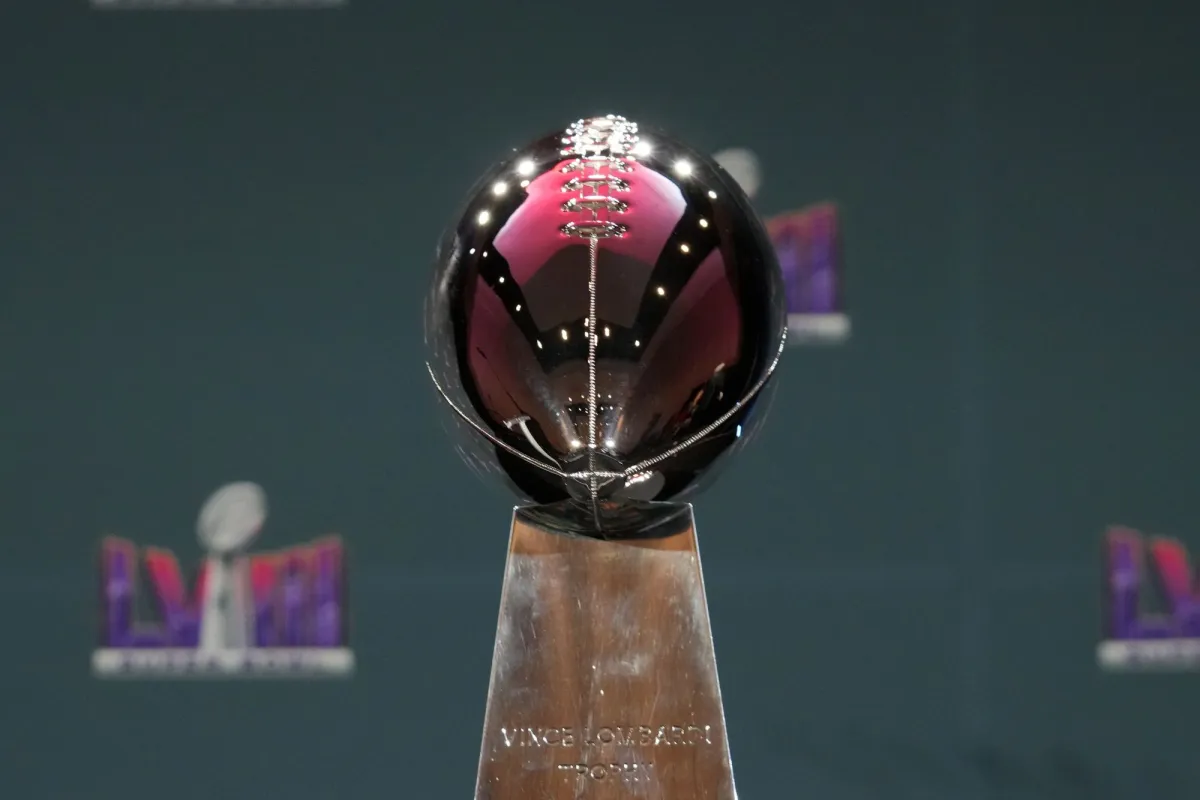 Photo: Super Bowl, via statico.profootballnetwork.com
The chicken industry took notice. Through the 1980s and into the 1990s, as demand for wings surged, the price of the cut that had once been practically worthless began to climb. By the 2000s, chicken wings had become one of the most valuable parts of the bird — a complete inversion of the economics that had made Teressa Bellissimo's experiment possible in the first place.
The Super Bowl Effect
Today, the National Chicken Council estimates that Americans consume somewhere in the neighborhood of 1.4 billion chicken wings during Super Bowl weekend alone. That number represents an entire industry built around a single cut of meat that, sixty years ago, was considered barely worth the trouble of cooking.
Buffalo, to its credit, has never let anyone forget where it started. The city celebrates National Buffalo Wing Festival every year, drawing tens of thousands of visitors and dozens of restaurants competing for wing supremacy. The Anchor Bar still operates, still serves the original recipe, and draws a steady stream of food tourists who want to eat the dish at the place where it was born.
And the sauce — butter and hot sauce, simple as it sounds — has never really been improved upon. Variations exist in the hundreds. Dry rubs, Korean glazes, honey garlic, mango habanero. The wing has become a canvas for every flavor trend the American food industry has produced.
But the original remains the original. A late-night improvisation in a Buffalo bar kitchen, built from the cut nobody wanted, that accidentally changed the way America eats on its biggest sporting day of the year.
Some accidents are worth celebrating. This one gets celebrated every February, with a billion and a half pieces of evidence.