The Chemist Who Forgot to Wash His Hands — and Sweetened America Forever
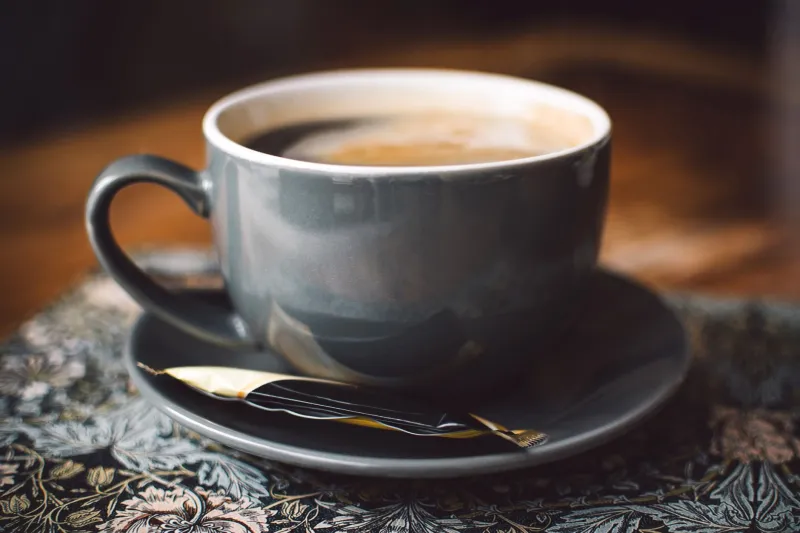
Most great discoveries come with a dramatic story. A falling apple. A bath that overflows. But the sweetener sitting in that little pink packet next to your coffee mug? Its origin story is considerably more mundane — and considerably more accidental. It starts with a man who simply forgot to wash up before dinner.
A Sticky Situation in Baltimore
In 1879, Constantin Fahlberg was a chemist working at Johns Hopkins University under the direction of Ira Remsen. He was deep in research on coal tar derivatives — not exactly the kind of work that sounds like it leads anywhere near your kitchen. One evening, Fahlberg sat down to eat without stopping to scrub his hands first. When he bit into a piece of bread, something was off. It tasted sweet. Unusually, inexplicably sweet.
 Photo: Johns Hopkins University, via c8.alamy.com
He hadn't changed anything about the bread. The sweetness was on his fingers. He'd carried it straight from the lab to the dinner table.
Fahlberg went back and tasted everything in the lab — beakers, his own hands, the edges of glassware — until he tracked the source down to a compound he'd been working with: benzoic sulfimide. It was roughly 300 times sweeter than sugar, had zero caloric value, and came from coal tar. He called it saccharin, from the Latin word for sugar.
Remsen published the discovery with Fahlberg in 1880. Fahlberg later filed patents on his own, cutting Remsen out entirely — which reportedly made Remsen furious for the rest of his life. But regardless of who deserved credit, the substance was real, it was sweet, and for a few decades, almost nobody cared.
The First Rescue: Theodore Roosevelt's Sugar Bowl
Saccharin's first brush with mainstream relevance came not from science but from politics. In the early 1900s, Harvey Wiley — the crusading food chemist who helped push through the Pure Food and Drug Act of 1906 — was convinced saccharin was dangerous and pushed hard to have it banned. He nearly succeeded.
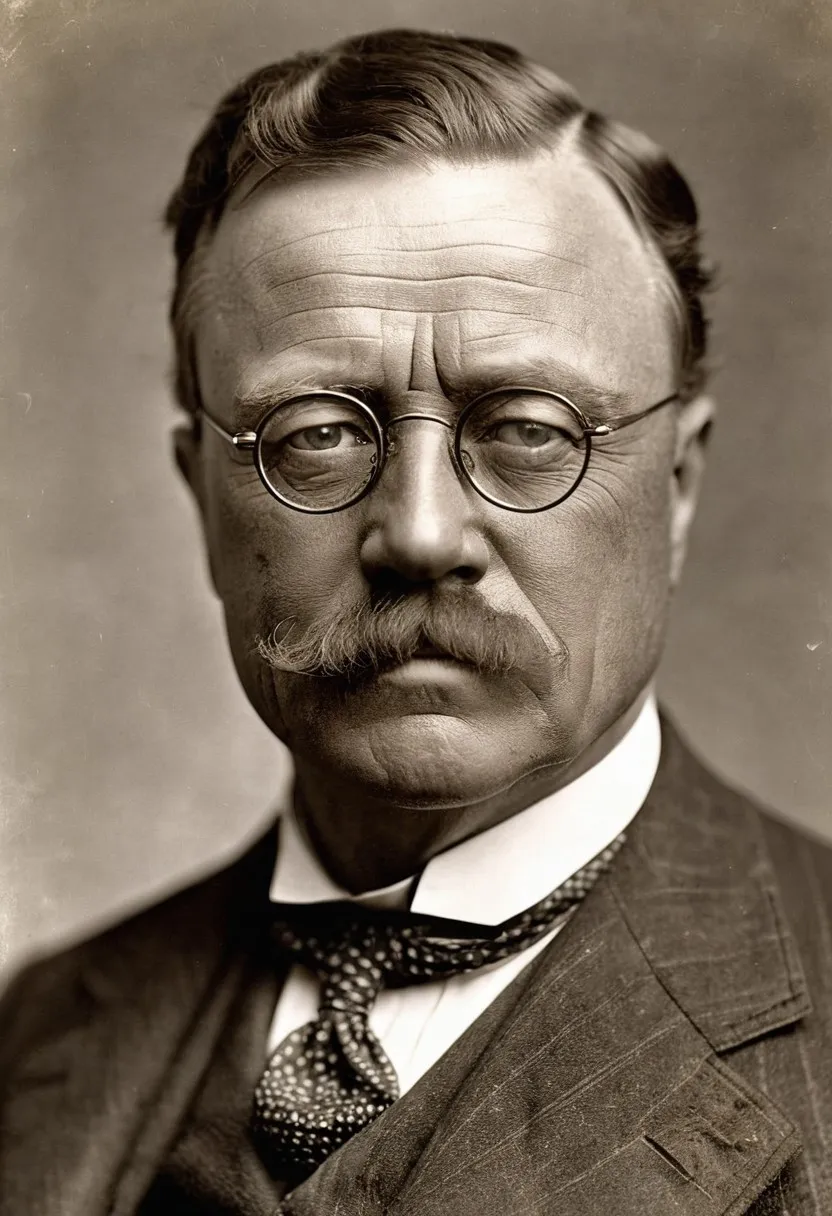 Photo: Theodore Roosevelt, via imgcdn.stablediffusionweb.com
Then he made the mistake of saying so in front of President Theodore Roosevelt.
Roosevelt, who had been prescribed saccharin by his personal physician as part of a weight-management regimen, was not pleased. "Anyone who says saccharin is injurious to health is an idiot," Roosevelt reportedly told Wiley during a meeting. The ban effort collapsed. Saccharin survived — but it remained a niche product, a curiosity used mainly by diabetics and the occasional dieting socialite.
It might have stayed that way indefinitely. Then the wars came.
Wartime Desperation Changes Everything
World War I brought sugar rationing to American households with a force that reshaped the entire food landscape. Sugar prices spiked. Supplies tightened. The federal government urged civilians to cut back, and suddenly that strange coal-tar sweetener from a Baltimore lab looked a lot more practical.
Saccharin production ramped up. It showed up in canned goods, soft drinks, and home kitchens. Americans who had never heard of it before 1917 were stirring it into their coffee by 1918. It wasn't beloved — the slight metallic aftertaste was hard to miss — but it worked, and during rationing, working was enough.
The pattern repeated itself during World War II, this time on an even larger scale. Sugar was one of the first commodities rationed after Pearl Harbor. Saccharin became not just acceptable but patriotic. Food manufacturers leaned on it heavily, and the American palate slowly adjusted to its particular brand of sweetness. By the time the war ended, saccharin had been woven into the fabric of American eating in a way it never had been before.
The Pink Packet Wars
The postwar decades brought something new to saccharin's story: the diet industry. As Americans grew more weight-conscious in the 1950s and '60s, low-calorie products exploded in popularity. Saccharin was the backbone of the diet food movement — it went into Tab, the original diet cola, and into Sweet'N Low, the brand that put saccharin in that distinctive pink packet and placed it on every diner counter in America.
Sweet'N Low, launched by the Cumberland Packing Corporation in 1957, was a marketing masterstroke. The pink packet became iconic. By the 1960s, saccharin wasn't just a wartime workaround — it was a lifestyle product.
Then came 1977.
A Canadian study linked high doses of saccharin to bladder cancer in rats. The FDA proposed a ban. The public, now genuinely attached to their diet sodas and pink packets, pushed back hard. Congress intervened with an unusual compromise: saccharin could stay on shelves, but every product containing it had to carry a warning label. For the next two decades, that warning sat on every pink packet in America.
The label was removed in 2000 after the National Toxicology Program concluded that the rat study wasn't applicable to humans. Saccharin was officially delisted as a possible carcinogen. The pink packets stayed.
Still on the Table
Today saccharin has been largely overshadowed by newer sweeteners — aspartame, sucralose, stevia — but it hasn't disappeared. It's still in Sweet'N Low, still in certain diet drinks, still tucked into the little ceramic holder on your diner table alongside the blue and yellow packets.
What makes saccharin's story remarkable isn't the chemistry. It's the timing. A forgotten handwashing led to a discovery that sat dormant for decades, got rescued by a president's dietary preferences, transformed by two world wars, commercialized by the diet boom, nearly banned, and then quietly rehabilitated. At every turn, external forces — war, politics, culture, fear — kept pulling it back from the edge of obscurity.
The next time you reach for that pink packet, you're touching the end of a 140-year chain of accidents, arguments, and wartime necessity. Not bad for something that started on a man's unwashed fingers.