How California Wine Salesmen Convinced a Nation of Beer Drinkers That Wine Belonged at the Dinner Table
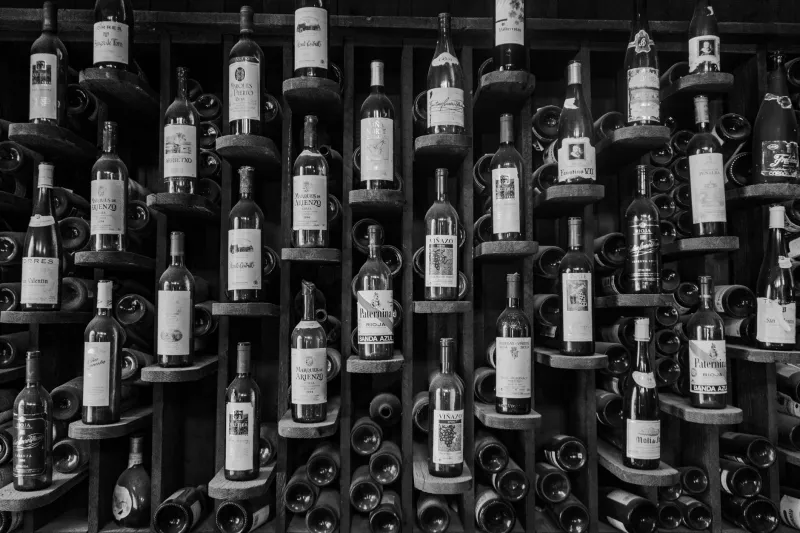
The Empty Glass
Picture a typical American family dinner in 1955. Meat, potatoes, a vegetable cooked into submission, milk for the kids, maybe a beer for dad. What's almost certainly not on that table? Wine.
This wasn't a matter of preference or taste. It was a matter of culture, history, and a deeply tangled set of associations that had spent decades making wine feel like something other people drank — Europeans, immigrants, the very wealthy, or the very desperate. For most middle-class American families, wine at dinner simply wasn't part of the script.
By 1990, that had completely changed. American dinner table wine consumption had tripled compared to 1960. Wine had moved from the margins of domestic life to the center of it. What happened in between is one of the more deliberate and fascinating cultural shifts in American food history — and it wasn't an accident.
What Prohibition Actually Did to Wine
To understand why wine was such a stranger at the American dinner table, you have to start with Prohibition. When the Eighteenth Amendment took effect in 1920, it didn't just shut down the alcohol industry — it systematically dismantled the cultural infrastructure around drinking.
Before Prohibition, wine had been gaining modest traction in American urban life, largely through the influence of European immigrant communities. Italian, French, and German neighborhoods had their own winemaking traditions, their own neighborhood shops, their own dinner table rituals. Wine wasn't everywhere, but it had a foothold.
Prohibition erased most of that. The wineries closed. The distribution networks collapsed. The restaurants that had served wine either shut down or adapted. And when Prohibition ended in 1933, the industry that emerged from the rubble was fractured, undersupplied, and operating without any established consumer base.
American drinkers in the post-Prohibition years defaulted to beer and spirits — products that had recovered faster, distributed more easily, and carried fewer complicated associations. Wine felt foreign, fussy, and vaguely suspicious in a culture that had just spent thirteen years treating all alcohol as a moral problem.
The Brothers from Modesto
Ernest and Julio Gallo grew up in Modesto, California, the sons of Italian immigrants who made their own wine at home — a common practice in immigrant households that had been legal even during Prohibition for personal use. When repeal came in 1933, Ernest was twenty-four years old and had exactly $5,900 in savings, a rented warehouse, and an idea that would eventually reshape American drinking habits entirely.
 Photo: Modesto, California, via cdn.homeandmoney.com
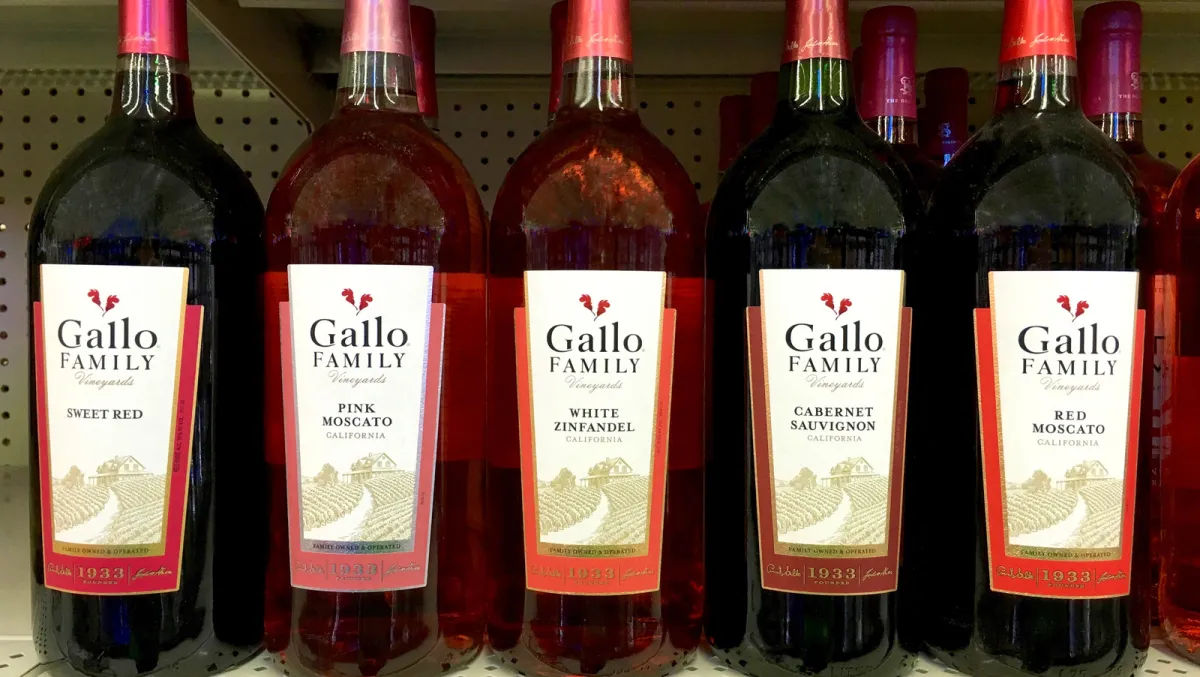 Photo: Ernest and Julio Gallo, via www.mashed.com
The idea wasn't complicated. Ernest Gallo believed wine could be sold the way any mass-market consumer product was sold — through aggressive distribution, consistent branding, and pricing that made it accessible to ordinary working families. He wasn't interested in the wine connoisseur market. He was interested in the guy buying beer at the corner store.
What made Gallo genuinely unusual was his obsession with studying how people actually drank. He traveled to working-class neighborhoods and immigrant communities across the country, watching how Italian and Eastern European families incorporated wine into their daily meals. He wasn't romanticizing the European tradition — he was reverse-engineering it for an American market that had never been taught to participate in it.
Gallo kept prices low, distribution wide, and marketing relentlessly focused on the message that wine was an everyday beverage, not a special occasion luxury. His early products were sweet, approachable, and designed specifically for people who had never developed a wine palate. The goal wasn't to impress. The goal was to get wine onto the table.
The Italian Neighborhoods Did the Quiet Work
While Gallo was building his distribution empire, something subtler was happening in American cities. Italian immigrant neighborhoods — particularly in New York, Chicago, San Francisco, and Boston — had maintained their wine culture throughout Prohibition through home production and community networks. When repeal came, these communities didn't need to be convinced that wine belonged at dinner. They already knew.
As Italian-American families moved into the suburbs during the postwar boom, they brought their dinner table habits with them. Neighbors watched. Guests tried it. The idea that a simple bottle of red with pasta on a Tuesday night was not only acceptable but actually pleasant began spreading through social osmosis in ways that no marketing campaign could fully replicate.
Food writers and magazine editors in the 1950s and 1960s picked up on this. Julia Child's television presence brought French cooking — and French wine culture — into American living rooms. James Beard wrote about wine as a natural companion to home cooking rather than a restaurant luxury. The cultural permission structure for wine at the everyday dinner table was being assembled piece by piece.
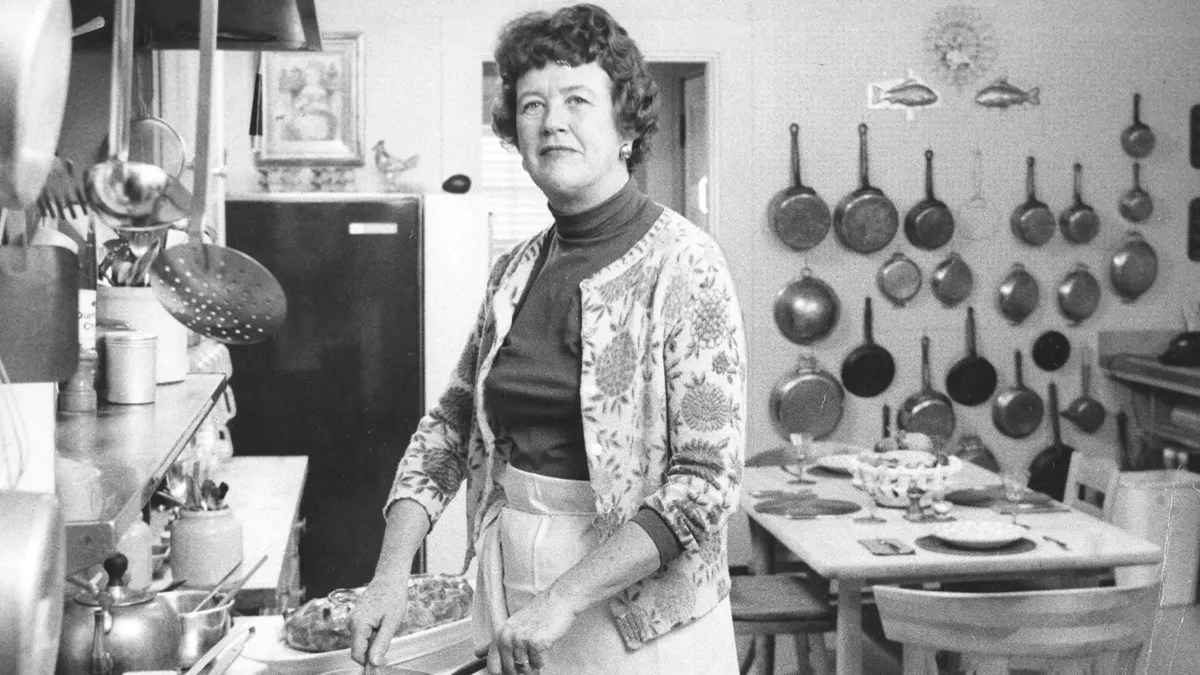 Photo: Julia Child, via media.cnn.com
The Campaign That Closed the Deal
By the late 1960s and into the 1970s, the California wine industry made a coordinated push to reposition wine as a democratic American product. Marketing campaigns emphasized affordability and approachability. The phrase "table wine" was deployed deliberately — wine as something that lived on the table, not behind a glass case at a specialty shop.
Wine cooperatives and regional California producers followed Gallo's playbook, flooding supermarket shelves with bottles priced below $3. The supermarket placement was itself significant — it pulled wine out of the liquor store and into the weekly grocery run, making it a routine purchase rather than a deliberate decision.
Between 1960 and 1990, American wine consumption tripled. California wine production expanded to meet the demand, eventually making the state the fourth-largest wine producer in the world. The dinner table had been converted.
What's Really in Your Glass
When you open a bottle of wine for a weeknight dinner today, you're participating in a tradition that feels ancient but is, in American terms, barely sixty years old. The ease of it — the sense that wine simply belongs at the table — is the product of deliberate effort by marketers, winemakers, food writers, and immigrant communities who carried their habits across an ocean and quietly shared them with their neighbors.
None of that makes the wine taste any different. But it's worth knowing that the glass in your hand is less a timeless ritual than a triumph of cultural persuasion — one of the more successful campaigns in American food history, hiding in plain sight on the dinner table.