How a Side Dish Became a Statement: The Unlikely American Obsession With Salad
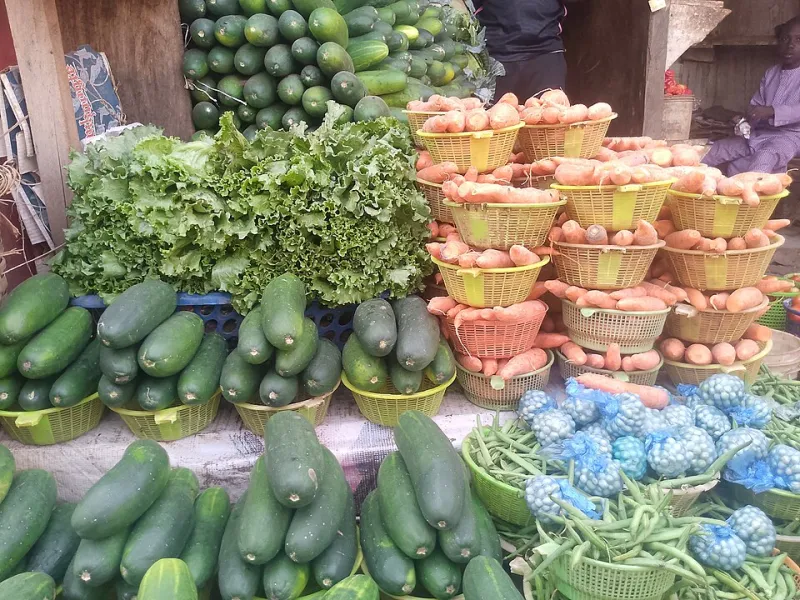
Photo: Muktee1494, CC BY-SA 4.0, via Wikimedia Commons
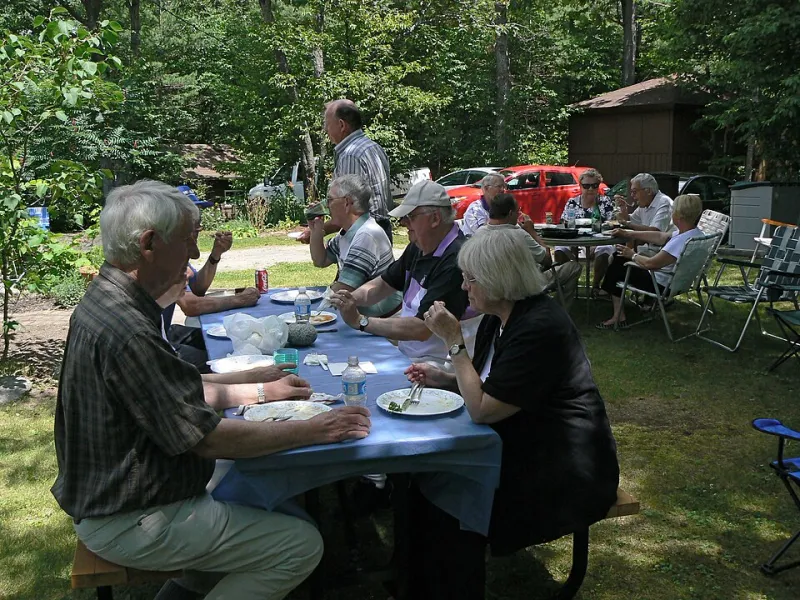
At almost any sit-down restaurant in America, it arrives before you've had time to settle in. The salad — usually a small bowl of romaine or mixed greens, maybe a tomato wedge, a few croutons, your choice of dressing — appears like a ritual offering before the real meal begins. In homes across the country, a salad on the side of dinner is so expected that skipping it feels vaguely incomplete, like a meal without a conclusion.
And yet salad, as Americans eat it today, is a surprisingly recent cultural habit. The idea that raw leafy greens should appear at nearly every meal — dressed, tossed, and served as a matter of course — is less than a century old in most of the country. Getting from there to here involved immigrants, health crusaders, marketing campaigns, and at least one very influential salad dressing.
Early America Didn't Think Much of Leaves
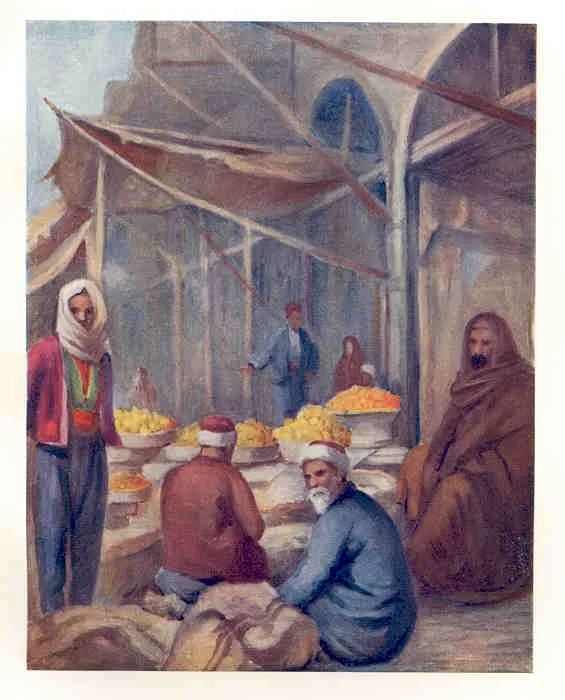
Colonial American tables were built around density. Hearty stews, preserved meats, root vegetables cooked until soft, bread in quantity. The agricultural conditions and the physical demands of early American life made calorie-rich, warming food the priority. Raw greens, while available in gardens, were often viewed with mild suspicion — associated with poverty, animal fodder, or European habits that hadn't made the crossing in any meaningful way.
Wealthy households in the 18th century occasionally served dressed salads at formal dinners, influenced by English and French table customs. Thomas Jefferson, who had a well-documented obsession with his Monticello kitchen garden, grew an enormous variety of salad greens and served them regularly at his table. But Jefferson's dinner parties were not typical American dining. They were, by most accounts, unusually sophisticated by the standards of the time.
For most of the 1800s, ordinary American meals didn't include salad as a regular feature. Vegetables appeared, but they were cooked — often at length. The idea that you might eat a plate of raw leaves as part of dinner simply wasn't embedded in the culture the way it would later become.
The Immigrant Kitchens That Started Changing Things
The late 19th and early 20th centuries brought waves of immigration from Southern and Eastern Europe, and with those communities came food traditions that treated raw and lightly dressed vegetables very differently than the American mainstream did.
Italian immigrants brought a deep comfort with olive oil, vinegar, and raw vegetables as part of daily eating. Greek communities had long traditions of simple salads as a matter of course at the table. Jewish immigrants from Eastern Europe brought pickled and marinated vegetable preparations that, while not identical to American salad, helped normalize the idea of vegetables as something other than a cooked side dish.
In cities like New York, Chicago, and San Francisco, these food cultures mixed with each other and with the broader American dining scene. Restaurant culture picked up the influences. Home cooks borrowed from neighbors. Slowly, the dressed vegetable salad began appearing more regularly, in more contexts, across more of the country.
Health Culture Picks Up the Fork
By the 1920s and 1930s, American health movements were starting to reshape how the middle class thought about food. The rise of nutritional science — or at least popular interpretations of it — put fresh vegetables firmly in the category of foods you were supposed to eat more of. Magazine features, women's club lectures, and the early health food industry all pushed the same message: raw vegetables were alive, vital, and good for you in ways that cooked food was not.
This was also the era when calorie-counting entered mainstream American consciousness. The idea that food could be evaluated by its nutritional content, rather than just its taste and filling power, opened the door for salad to become something more than a side dish. It became a choice — a visible signal about the kind of eater you were.
Restaurants responded. By the 1930s and 1940s, the house salad — served before the entrée, included in the price of the meal — had become standard practice at American restaurants from diners to steakhouses. It was economical for restaurants (greens were cheap and filling), and it gave diners the feeling of eating virtuously before their steak arrived.
The Dressings That Sold the Deal
None of this would have taken hold quite so completely without dressing. Raw greens, on their own, are a tough sell. But coat them in something creamy, tangy, or rich, and the whole proposition changes.
The mid-20th century was a golden age of American salad dressings. Ranch, developed in the 1950s on a California dude ranch by a plumber-turned-rancher named Steve Henson, became the most popular salad dressing in America and has held that title for decades. Thousand Island, Blue Cheese, Italian, Caesar — each with its own origin story, each helping to make the salad course feel like a reward rather than a health obligation.
Bottled dressings, mass-produced and nationally distributed by brands like Kraft and Hidden Valley, put salad-making within reach of any home cook in any part of the country. You didn't need culinary skill. You just needed a bag of greens and a bottle from the refrigerator door.
A Bowl That Means Something
Today, salad has expanded so far beyond its original form that the word barely contains it. Caesar salads, grain bowls marketed as salads, kale salads with more toppings than a pizza, meal-sized salads that function as the entire entrée. The salad bar — a fixture of American chain restaurants and delis since the 1970s — turned salad into a democratic, customizable experience that fit perfectly with American ideas about individual choice.
And yet the salad before dinner at a sit-down restaurant, the side salad with a sandwich at lunch, the simple bowl of greens that shows up almost automatically — those habits are still there, still running quietly in the background of American dining culture.
It didn't start as a tradition. It started as an immigrant habit, a health movement, a restaurant economics decision, and a very good bottled dressing. But somewhere along the way, it became something Americans genuinely believe they've always done.
That's usually how the best food stories work.