The Teenage Boy Who Spilled Purple and Accidentally Dressed the World
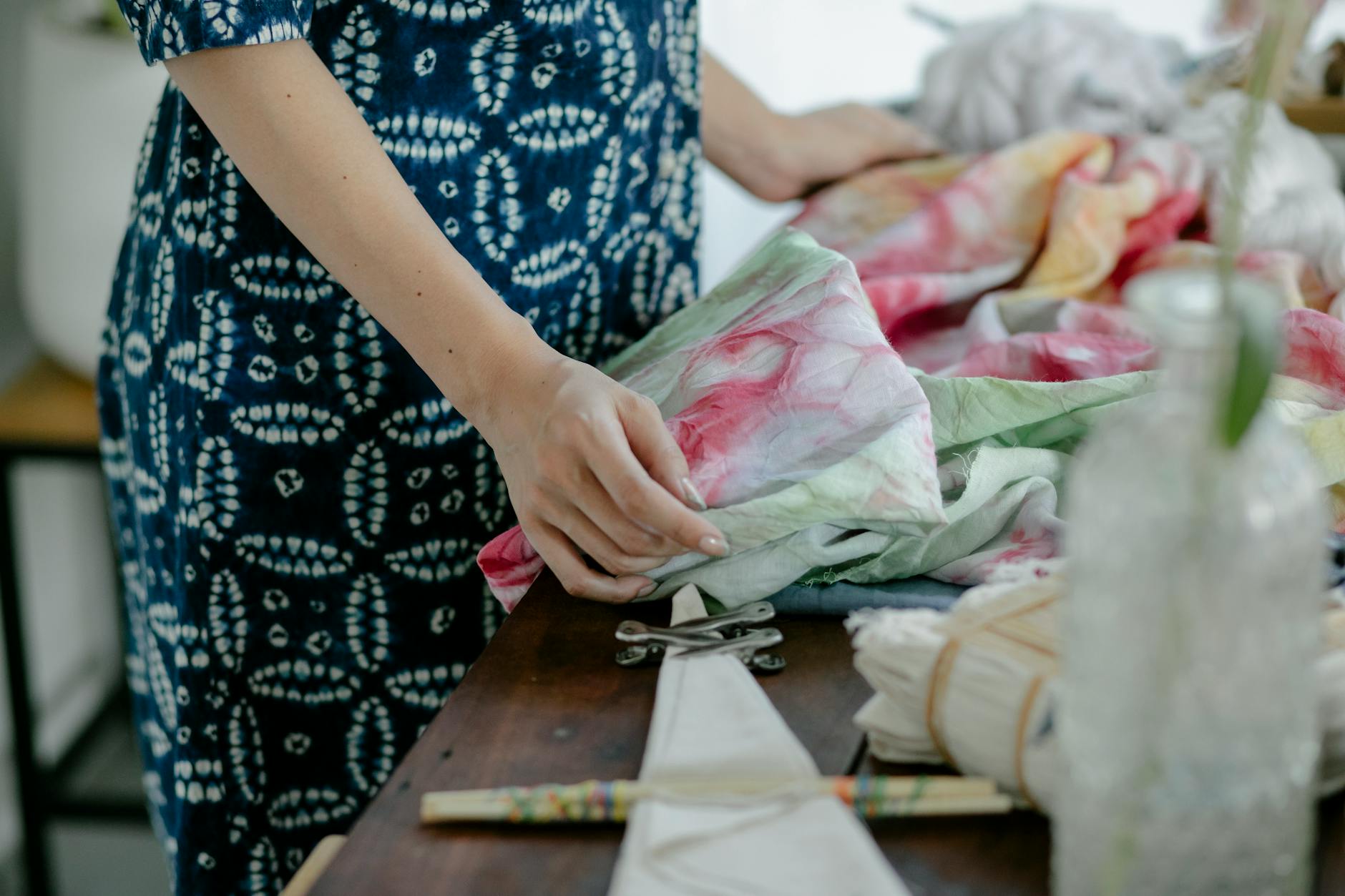
The Teenage Boy Who Spilled Purple and Accidentally Dressed the World
Think about the last time you put on a colored shirt without a second thought. A blue hoodie, a red dress, a green jacket. Color is so ordinary now that we never stop to wonder how it got there. But for most of human history, vivid color in clothing was a privilege. It was expensive, rare, and reserved for people with serious money. The rest of the world wore brown, gray, and the dull beige of undyed cloth.
That changed because of a teenager, a messy Easter weekend experiment, and a flask full of something that looked like tar.
A Failed Cure for Malaria
In 1856, William Henry Perkin was 18 years old and studying chemistry in London under the legendary German scientist August Wilhelm von Hofmann. The medical world was desperate for a reliable supply of quinine — the compound derived from South American cinchona tree bark that treated malaria. Quinine was expensive and difficult to source, and malaria was killing people across the British Empire. If someone could synthesize it artificially in a lab, the payoff would be enormous.
Hofmann believed the answer might lie in coal tar, the thick black waste product left over from gas lighting. Coal tar was cheap, abundant, and chemically complex — a potential goldmine if you could crack its structure. Hofmann's students, including the teenage Perkin, were encouraged to dig into its chemistry.
Over Easter break, while his professor was away, Perkin set up a makeshift lab in his family's home in London's East End and started experimenting. He was trying to synthesize quinine from a coal tar derivative called aniline. The experiment failed completely. What he got was a reddish-brown sludge that bore no resemblance to quinine whatsoever.
He cleaned out the flask with alcohol — and the sludge dissolved into something extraordinary: a rich, vivid, brilliant purple.
The Color That Didn't Exist Yet
Perkin had accidentally created mauveine, the world's first synthetic dye. He was smart enough to recognize what he had. He tested it on silk. It worked beautifully, producing a stable, vibrant purple that didn't fade in sunlight the way natural dyes did. He filed a patent that same year — at 18 years old — and with his father's financial backing, opened a factory in Greenford, northwest of London, to manufacture it at scale.
He called the color mauve. And it arrived at exactly the right cultural moment.
Queen Victoria wore a mauve gown to her daughter's wedding in 1858. Empress Eugénie of France declared it her signature color. Suddenly mauve was everywhere in fashionable European society, and Perkin's factory could barely keep up with demand. The press started calling 1857 and 1858 the years of "mauve measles."
But the real story isn't about royalty. It's about what happened next.
When Color Stopped Being a Luxury
Before synthetic dyes, producing rich color was an elaborate, expensive process. Purple and violet were among the hardest colors to achieve — historically derived from sea snails or lichens through laborious extraction methods. A pound of genuine Tyrian purple dye required thousands of murex snails and cost more than gold. Even less exotic colors like red and blue required imported dyes — cochineal from Mexico, indigo from India — that added significant cost to every yard of fabric.
Ordinary people wore what they could afford, which usually meant natural, undyed, or faintly colored cloth. Bright clothing was a class signal as much as a style choice.
Perkin's mauveine cracked that open. Within a decade of his discovery, other chemists — many of them inspired directly by his work — had synthesized reds, blues, greens, and yellows from coal tar. The synthetic dye industry exploded across Europe and, critically, in the United States, where a rapidly expanding textile industry was hungry for cheap, consistent color.
American department stores in the 1860s and 1870s began stocking fabric in colors that would have been unimaginable to ordinary shoppers a generation earlier. Ready-to-wear clothing — already growing as an industry — became dramatically more colorful. Women who had sewn their own clothes from plain domestic cloth could now buy brightly dyed fabric at a general store. The Sunday best outfit, the church dress, the holiday coat — all of it became more vivid, more personal, more expressive.
Color, for the first time in history, was democratic.
The Ripple Nobody Expected
Perkin became wealthy. He retired at 36, having made his fortune from mauveine and subsequent dye patents. But the industry he sparked kept growing long after he stepped away from it. Synthetic dye chemistry laid the groundwork for an entirely new field: the pharmaceutical and chemical industries. The same coal tar chemistry that produced mauve eventually led to aspirin, sulfa drugs, and the foundations of modern medicine. Some historians argue that Perkin's Easter weekend accident is one of the most consequential lab mistakes in the history of science.
For most of us, though, the everyday legacy is simpler. It's the fact that you can walk into any clothing store in America today and buy a purple shirt for twelve dollars. It's the fact that color is a personal choice rather than a financial one. It's the fact that the visual landscape of daily life — our clothes, our homes, our grocery packaging, the flags at a Fourth of July parade — is saturated with hue in a way that would have seemed almost magical to someone living in 1855.
All of it traces back to one teenager, one failed experiment, and one very purple flask.
The next time you pull a brightly colored shirt out of your closet, it's worth remembering: someone was trying to cure malaria.