The Magazine Editor Who Invented Thanksgiving Dinner As We Know It
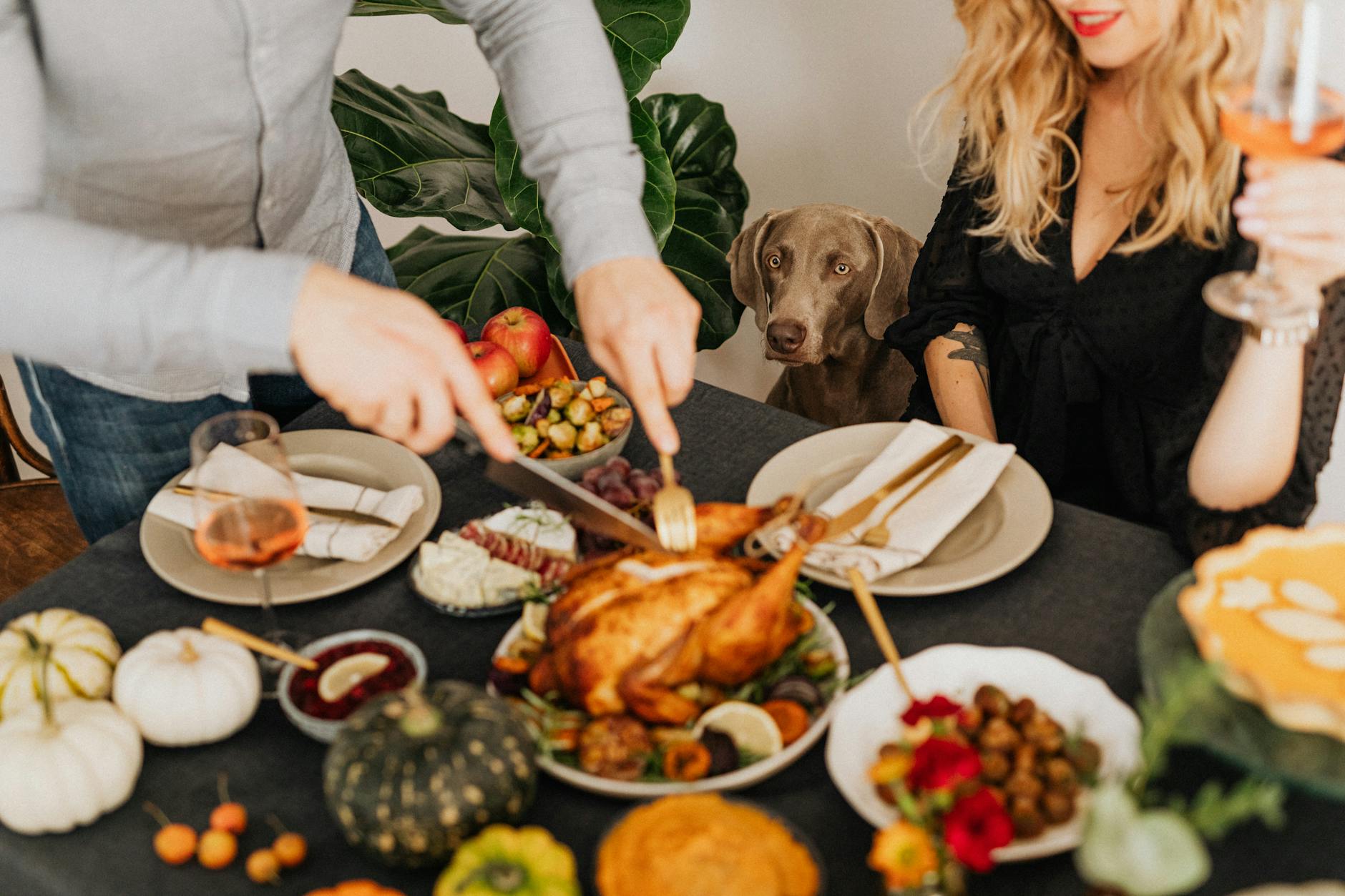
The Magazine Editor Who Invented Thanksgiving Dinner As We Know It
Every November, millions of American families do the same thing: defrost a turkey, argue about stuffing, and sit down to a meal that feels as old as the country itself. It's one of those traditions so deeply embedded in the culture that questioning it seems almost unpatriotic. But here's the thing — the idea that turkey was always the centerpiece of Thanksgiving is, to put it plainly, a myth. And like most myths, it has a very specific origin story.
What the Pilgrims Actually Ate
Let's start with the meal that supposedly started it all. The 1621 harvest celebration at Plymouth Colony — the event loosely remembered as the "first Thanksgiving" — almost certainly didn't feature turkey as the main event. Edward Winslow's eyewitness account, one of only two surviving records of the feast, mentions "fowl" and venison. That fowl could have been duck, geese, or passenger pigeons, which were abundant in the region at the time. There's no specific mention of turkey anywhere.
For most of the 17th and 18th centuries, Thanksgiving — where it was celebrated at all — was a regional New England affair with no fixed menu. Families ate what was available: goose, duck, beef, ham, even seafood in coastal areas. Turkey was one option among many, and not necessarily the most popular one.
So how did it become non-negotiable?
Enter Sarah Josepha Hale
If one person deserves credit — or blame, depending on your feelings about turkey — it's Sarah Josepha Hale, the editor of Godey's Lady's Book, one of the most widely read magazines in 19th-century America. Hale was a formidable figure: she also wrote "Mary Had a Little Lamb," campaigned for women's education, and spent 38 years writing letters to every sitting president lobbying for Thanksgiving to become a national holiday.
She got her wish in 1863, when Abraham Lincoln finally declared Thanksgiving a national observance — largely as a wartime gesture of unity. But Hale's influence went further than the calendar. Through her magazine, she spent decades publishing idealized Thanksgiving menus and recipes that consistently featured roasted turkey as the centerpiece. She was, in modern terms, running a sustained content marketing campaign for a specific meal.
Her 1827 novel Northwood includes a detailed Thanksgiving feast scene centered on turkey. Her magazine columns returned to the image again and again. By the time Lincoln made the holiday official, Hale had already spent a generation telling Americans what Thanksgiving dinner was supposed to look like.
The Wartime Nudge That Sealed the Deal
Hale got the tradition started, but World War II helped lock it in permanently. During the war, the U.S. government needed to manage food supplies carefully. Beef and pork were rationed and prioritized for troops overseas. Turkey, however, was not subject to the same restrictions — and the government actively encouraged its consumption on the home front.
In 1943 and 1944, the military made a point of serving turkey to soldiers on Thanksgiving wherever possible, a gesture designed to boost morale and reinforce a sense of home. Back in the States, families eating turkey on Thanksgiving weren't just following tradition — they were participating in a patriotic ritual. The bird became symbolically loaded in a way that beef or ham simply wasn't.
By the time rationing ended and the postwar consumer economy kicked into gear, turkey on Thanksgiving was simply what Americans did. The poultry industry was happy to help reinforce that association, and it has spent the decades since making sure the tradition never wavers.
Why Turkey Specifically?
It's worth asking why turkey won out over, say, goose — which was the traditional Christmas bird in England and remained popular in America well into the 19th century. A few practical factors worked in turkey's favor.
Turkeys are large enough to feed a crowd, which made them well-suited to the communal nature of Thanksgiving. Unlike chickens, they weren't valuable egg-layers, so killing one wasn't a significant economic sacrifice. And unlike beef cattle or dairy cows, they had no secondary use that made slaughtering them feel wasteful. Alexander Hamilton, of all people, once wrote that "no citizen of the United States shall refrain from turkey on Thanksgiving Day" — though historians debate whether he was being sincere or satirical.
The size and spectacle of a whole roasted turkey also lent itself to the theatrical centerpiece role that the holiday demanded. It looked impressive on the table in a way that a pot roast simply didn't.
A Constructed Tradition That Became Real
None of this is to say that Thanksgiving turkey is somehow fraudulent or that you should swap it out for a ham this year. Traditions don't have to be ancient to be meaningful. But there's something genuinely interesting about the fact that one of America's most immovable culinary rituals was, to a significant degree, the product of a magazine editor's vision, a wartime food strategy, and a very effective industry lobby.
The next time you sit down to carve the bird, you're participating in a tradition that was, in large part, deliberately built. Sarah Josepha Hale would be pleased.