The Night Everything Tasted Sweet
Constantine Fahlberg was exhausted. The Russian-born chemist had spent another long day at Johns Hopkins University in 1879, working with coal tar derivatives in his laboratory. Like many overworked researchers, he skipped his usual hand-washing routine and headed straight home for dinner.
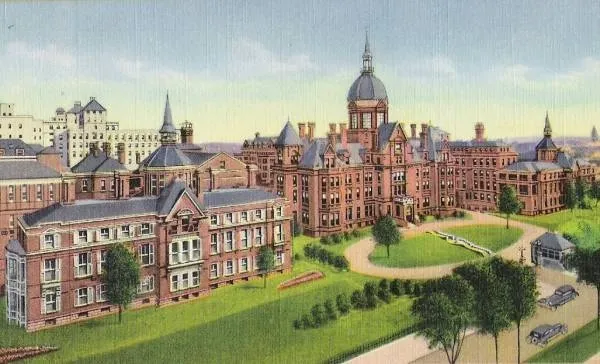 Photo: Johns Hopkins University, via www.kilduffs.com
 Photo: Constantine Fahlberg, via www.todaysflashback.com
What happened next would accidentally create an industry worth billions.
As Fahlberg bit into his dinner roll, something was wrong—or rather, surprisingly right. The bread tasted impossibly sweet, far sweeter than any sugar could make it. His wife hadn't changed the recipe. The butter was the same. But everything he touched seemed to carry this mysterious sweetness.
Then it hit him: his unwashed hands.
Racing Back to the Lab
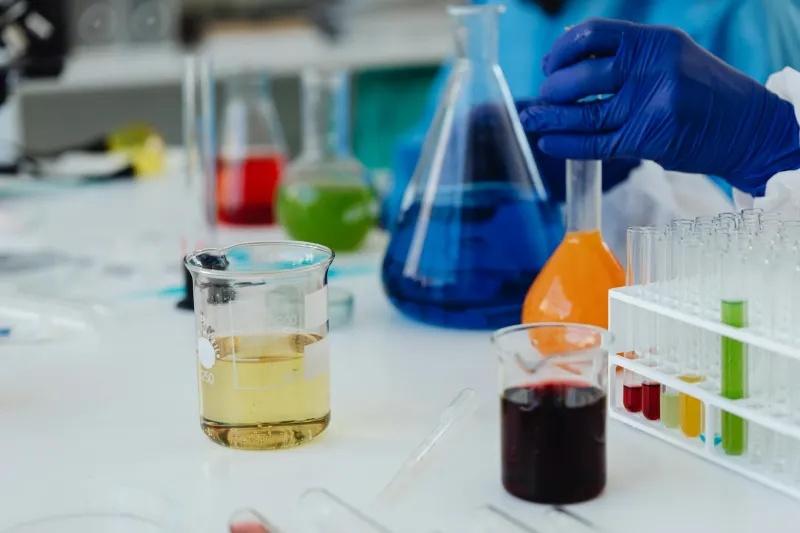
Fahlberg rushed back to his laboratory that same evening, systematically tasting every compound he'd worked with that day. (This was 1879—laboratory safety protocols were more suggestion than law.) When he got to a particular coal tar derivative called benzoic sulfimide, his taste buds confirmed what his dinner had suggested.
He'd stumbled onto something 300 times sweeter than sugar.
The compound that would become known as saccharin wasn't supposed to exist. Fahlberg had been researching coal tar compounds for entirely different purposes, following the work of his mentor Ira Remsen. The sweetness was a complete accident—a byproduct of reactions that had nothing to do with food or flavor.
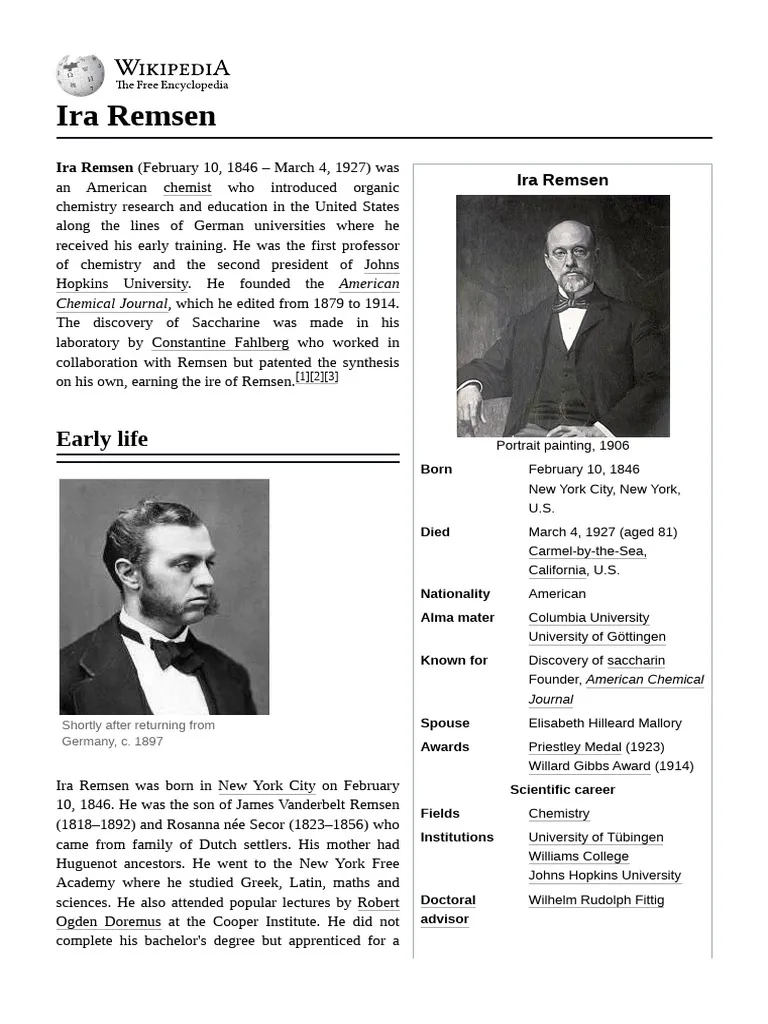 Photo: Ira Remsen, via imgv2-1-f.scribdassets.com
But Fahlberg recognized opportunity when it literally tasted it.
From Laboratory Curiosity to American Staple
Initially, saccharin remained a scientific curiosity. Sugar was cheap and plentiful in the late 1800s, so why would anyone need an artificial substitute? The answer came during World War I, when sugar rationing made sweetness a precious commodity.
Suddenly, Fahlberg's accidental discovery became essential. American households began using saccharin tablets to sweeten their coffee and desserts. The compound that started as a laboratory mistake was now helping families maintain some sweetness in their lives during wartime shortages.
The real transformation came in the 1950s and 60s, when saccharin found its perfect partner: diet culture. As Americans became increasingly weight-conscious, saccharin promised the sweetness they craved without the calories they feared. Tab, the first major diet cola, launched in 1963 with saccharin as its primary sweetener.
The Presidential Ban That Never Happened
Saccharin's journey wasn't smooth. In 1977, studies linking the sweetener to bladder cancer in laboratory rats prompted the FDA to propose a complete ban. American consumers, by then thoroughly attached to their diet sodas and sugar-free desserts, revolted.
Congress received more mail about the proposed saccharin ban than about the Vietnam War. The public outcry was so intense that President Carter's administration backed down, instead requiring warning labels on saccharin-containing products.
Those pink packets in diners across America carried tiny print warning of potential cancer risks, but Americans kept using them anyway. The sweetness was worth the theoretical risk.
The Diner Revolution
Walk into any American diner today, and you'll find those familiar pink packets next to the white sugar and yellow artificial sweetener. Saccharin became as much a part of the American dining experience as bottomless coffee and vinyl booths.
Diner culture embraced saccharin because it solved a practical problem: customers could control their sweetness without asking for special preparations. The busy waitress didn't need to remember who wanted sugar-free pie—customers could just add their own pink packet to regular coffee.
This democratization of sweetness choice reflected a broader American ideal: personal control over consumption. Saccharin wasn't just a sweetener; it was freedom to customize your experience.
The Comeback Kid
By the 1990s, newer artificial sweeteners like aspartame and sucralose began pushing saccharin toward irrelevance. The cancer warnings were finally removed in 2000 after decades of additional research found no human health risks, but the damage to saccharin's reputation seemed permanent.
Yet saccharin refused to disappear. Its stability under heat made it perfect for baking applications where other artificial sweeteners failed. Its distinctive taste—that slight metallic aftertaste that critics mocked—became nostalgic comfort for generations who grew up with it.
Today, saccharin appears in everything from toothpaste to medications, proving that Fahlberg's accidental discovery has staying power that extends far beyond diet sodas.
The Sweet Legacy of Forgotten Hand Washing
Fahlberg's unwashed hands changed more than just sweetener options—they altered American relationships with food itself. Saccharin introduced the concept that taste and nutrition could be separated, that we could have flavor without consequences.
This philosophical shift paved the way for our modern food culture, where 'sugar-free,' 'low-calorie,' and 'artificially flavored' became acceptable, even desirable, labels rather than warnings.
Every time someone reaches for a pink packet in a diner or adds artificial sweetener to their morning coffee, they're participating in a tradition that started with one tired chemist's decision to skip the sink. Sometimes the most transformative discoveries happen not through careful planning, but through the beautiful accidents that occur when we're too exhausted to follow the rules.
Constantine Fahlberg probably never imagined that his forgotten hand-washing would become a permanent part of American food culture. But then again, the best discoveries rarely announce themselves—they just taste surprisingly sweet when you least expect it.