One Man, One Pepper, One Tiny Louisiana Island: The Unlikely Birth of Tabasco
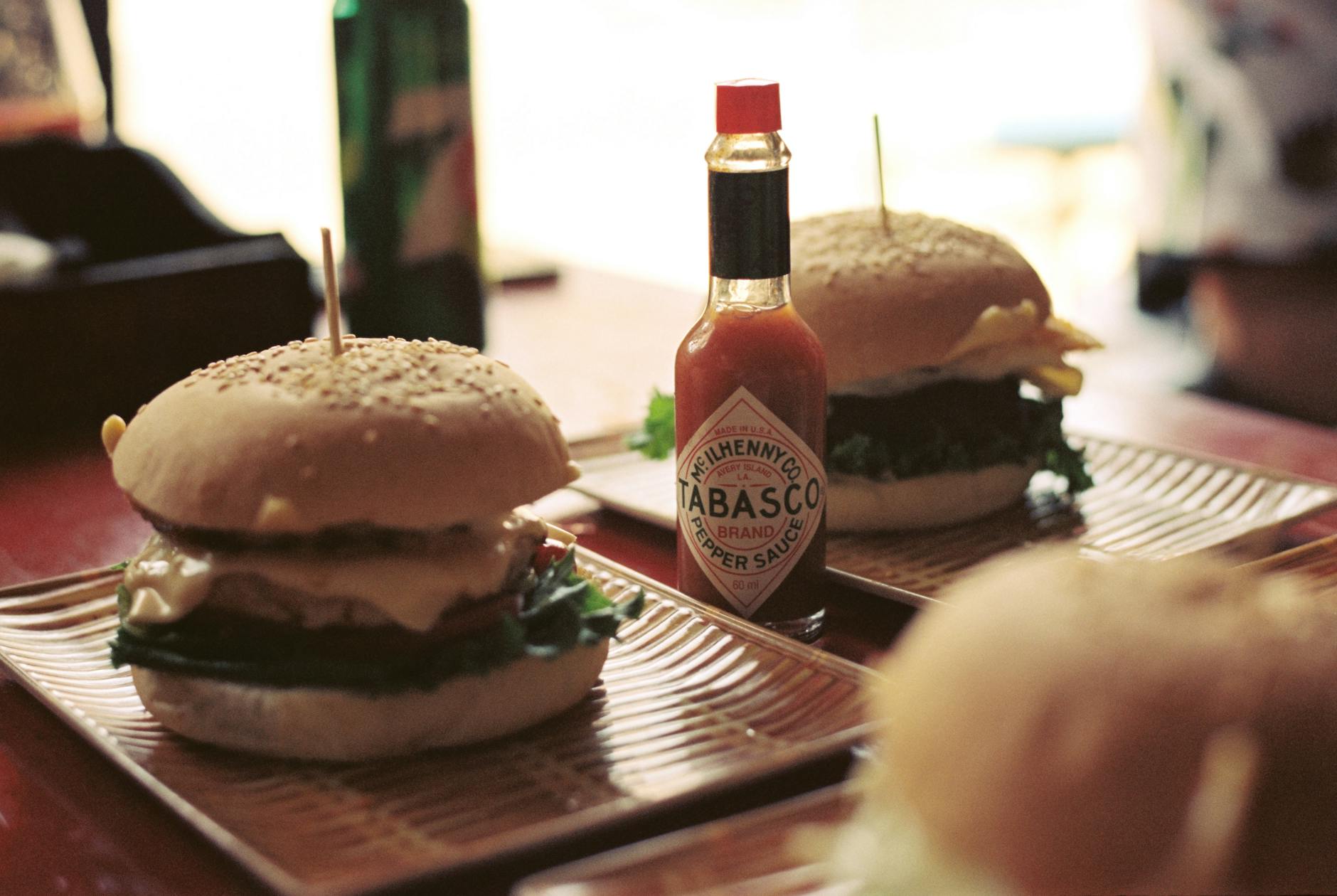
One Man, One Pepper, One Tiny Louisiana Island: The Unlikely Birth of Tabasco
Somewhere in your kitchen right now, there's a decent chance you have a small glass bottle with a red cap and a little wooden collar around its neck. You probably don't think much about it. It's just Tabasco — the thing you shake over eggs, stir into a Bloody Mary, or squeeze onto oysters without a second thought. It's been there your whole life, and it'll probably be there long after you're gone.
But Tabasco almost didn't happen. Its existence depended on a string of unlikely events: a war that wiped out a man's fortune, a handful of seeds from an unknown source, and a remote Louisiana island that was barely habitable. The fact that you can buy a bottle at any gas station in America is, when you trace it back to the beginning, genuinely improbable.
The Man Who Had Everything, Then Didn't
Edmund McIlhenny was born in Maryland in 1815 and eventually made his way to New Orleans, where he became a successful banker. By the eve of the Civil War, he was comfortable, well-connected, and living well on Avery Island — a salt dome rising out of the Louisiana marshes about 140 miles west of New Orleans, owned by his wife's family, the Averys.
The war changed everything. Louisiana was Union-occupied territory for much of the conflict, and the McIlhennys fled to Texas. When they returned to Avery Island after the war ended, they found the estate in ruins. The salt mines that had made the Avery family wealthy had been seized and partially destroyed. Edmund's banking connections were gone. He was in his early fifties, largely broke, and living on a swampy island in the middle of nowhere.
What he had, somehow, was a small collection of Capsicum frutescens peppers — the variety now known as tabasco peppers. The exact origin of these seeds is still debated. The family story holds that a traveler brought them from Mexico or Central America sometime before the war. Whatever their source, McIlhenny started growing them on Avery Island after the war, partly out of necessity and partly, it seems, because he genuinely loved spicy food.
The Accidental Recipe
McIlhenny's early experiments with the peppers were informal — he was making a table sauce for himself and his family, not a commercial product. His method was simple almost to the point of being primitive: he mashed the ripe red peppers with Avery Island salt, let the mixture ferment, then mixed it with French white wine vinegar and strained out the solids.
The result was something genuinely different from the pepper sauces that already existed in the American South. It was thinner, more acidic, and had a brightness that heavier sauces lacked. McIlhenny started giving bottles to friends and neighbors, using small cologne-style bottles he'd repurposed for the purpose. The feedback was good enough that he began to think commercially.
In 1868, he applied for a patent on his sauce — technically a caveat, a precursor to a full patent — and by 1869 he had sent out 350 bottles to wholesale grocers. The orders that came back were enough to convince him he had something real. He trademarked the name "Tabasco" in 1870, a word borrowed from a Mexican state and river that he felt evoked the pepper's origins, and the McIlhenny Company was officially in business.
Whiskey Barrels and Slow Heat
One of the most distinctive aspects of Tabasco's production — and one that contributes directly to its flavor — developed almost by accident in those early years. McIlhenny aged his pepper mash in used white oak barrels, the same barrels that had previously held whiskey. The barrels were available, they were cheap, and they did the job of containing the fermenting mash while it developed.
What McIlhenny discovered was that the aging process — typically around three years — did something important to the sauce. It mellowed the raw heat, developed complexity, and gave the finished product a depth that fresh pepper sauce simply didn't have. The whiskey barrel aging is still central to how Tabasco is made today, over 150 years later, on the same island where McIlhenny first started experimenting.
From Louisiana Swamp to Global Pantry
Tabasco's rise from regional curiosity to American institution happened in stages. The sauce gained a significant early foothold in Europe — particularly in Britain, where it became a staple condiment in gentlemen's clubs and was reportedly beloved by members of the royal household. That European credibility helped establish it as something more than a regional Southern product.
Back in the United States, Tabasco's profile rose through association with upscale dining and, eventually, through the cocktail culture of the early 20th century. The Bloody Mary — which became popular in the 1930s and 40s — almost always called for Tabasco, and that single drink association introduced the sauce to an enormous new audience.
The U.S. military connection sealed its mass-market status. During both World Wars, Tabasco was included in soldier ration kits as a way to make field food more palatable. The sauce was later incorporated into military MREs, which introduced it to generations of American service members who then carried the habit home with them. Today, Tabasco is sold in over 195 countries and produced in more than 20 languages on its label.
Still on the Same Island
Here's the part that genuinely surprises most people: Tabasco is still made on Avery Island, Louisiana, by descendants of Edmund McIlhenny. The McIlhenny Company has remained family-owned for six generations. The peppers — or at least the seeds for the peppers — still trace back to that original Capsicum frutescens strain. The whiskey barrels are still used. The basic recipe hasn't fundamentally changed.
What started as one bankrupt man's post-war experiment on a remote swamp island became a condiment so ubiquitous that it's essentially invisible. Which is, when you think about it, the highest achievement any food product can reach: not to be noticed, but to be missed the moment it's gone.