Stand in any coffee shop line on a Tuesday morning and witness one of humanity's most remarkable social inventions in action. Nobody cuts. Nobody argues about who was first. We simply form a neat row and wait our turn, as if this behavior were hardwired into our DNA.
It wasn't always this way.
When America Didn't Know How to Wait
Before the Civil War, American public spaces operated on a "survival of the fittest" principle. Train stations, banks, and general stores resembled controlled chaos more than organized commerce. The strongest, loudest, or most persistent customers got served first. Women often sent servants to handle transactions precisely because public spaces could turn aggressive without warning.
This free-for-all system worked tolerably well in small towns where everyone knew each other, but it became a nightmare as cities grew. By the 1850s, urban merchants were losing customers who simply refused to engage in daily combat just to buy bread or post a letter.
The Farmer's Solution That Changed Everything
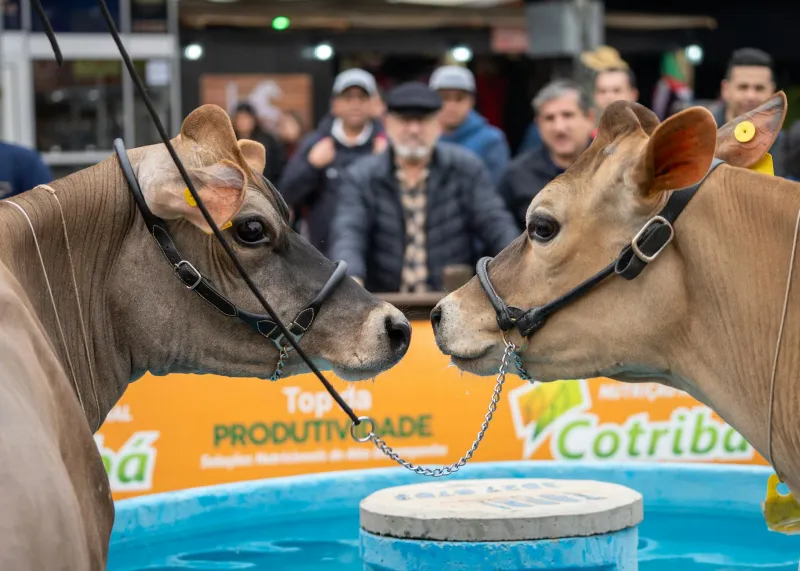
The answer came from an unexpected source: livestock management at county fairs.
Midwestern farmers had spent decades perfecting systems to move cattle, sheep, and pigs through judging areas in organized fashion. They discovered that simple rope barriers could channel hundreds of animals into predictable patterns, preventing stampedes and ensuring every animal received proper evaluation.
In 1876, the Philadelphia Centennial Exhibition borrowed this agricultural technique for human crowd control. Fair organizers strung rope barriers to guide visitors through popular exhibits, creating what they called "orderly progressions." For the first time in American history, large groups of strangers willingly formed lines without supervision or enforcement.
The results were revolutionary. Visitors spent more time actually viewing exhibits instead of fighting for position. Vendors served customers faster. Most importantly, the entire experience felt civilized rather than combative.
From County Fair to Main Street
Word of the Philadelphia experiment spread quickly through America's rapidly expanding retail sector. Department store owners realized that rope barriers could transform shopping from a contact sport into a pleasant experience. By the 1880s, major stores in New York, Chicago, and San Francisco had adopted "queue management systems" borrowed directly from agricultural fairs.
The timing was perfect. America's growing middle class wanted to shop in environments that reflected their social aspirations. Standing in an orderly line suggested refinement and respectability—qualities that distinguished shoppers from the rough-and-tumble crowds at markets and auctions.
Restaurants quickly followed suit. The concept of "waiting to be seated" emerged during this same period, as dining establishments discovered that managing customer flow improved both service quality and profit margins. A maître d' with a velvet rope became the symbol of upscale dining.
The Psychology of the Rope
What makes this transformation even more remarkable is how quickly Americans internalized the new behavior. Within a single generation, line-cutting became a serious social violation. The same culture that had celebrated frontier individualism now demanded strict adherence to "first come, first served" principles.
Psychologists later discovered that physical barriers create powerful psychological compliance. The rope doesn't just organize space—it organizes minds. When people see a clear path forward, they're willing to wait much longer than when facing an uncertain crowd situation.
This explains why modern businesses invest heavily in line management. Disney theme parks employ entire teams of "queue designers" who study optimal rope placement and pathway design. Fast-food restaurants redesign their ordering areas based on customer flow research that traces directly back to those 19th-century agricultural innovations.
The Modern Legacy of Livestock Lines
Today's Americans stand in lines an estimated 37 hours per year, from airport security to grocery checkout to concert venues. We've created an entire vocabulary around the experience: "cutting in line," "saving someone's place," "the express lane."
Even our digital experiences mirror physical queuing systems. Online shopping carts, streaming service queues, and restaurant reservation apps all replicate the psychological comfort of knowing exactly where we stand in relation to what we want.
The next time you find yourself waiting patiently behind a velvet rope at a movie theater or restaurant, remember that you're participating in a social contract that began with farmers trying to move cattle through judging rings. What started as agricultural efficiency became the foundation of modern consumer culture—proof that sometimes the most profound changes come from the most practical solutions.
In a world where so much feels chaotic and unpredictable, there's something deeply reassuring about the simple rope barrier that promises: wait your turn, and you'll get what you came for.