How Napoleon's Empty Stomach Accidentally Built Every American Pantry
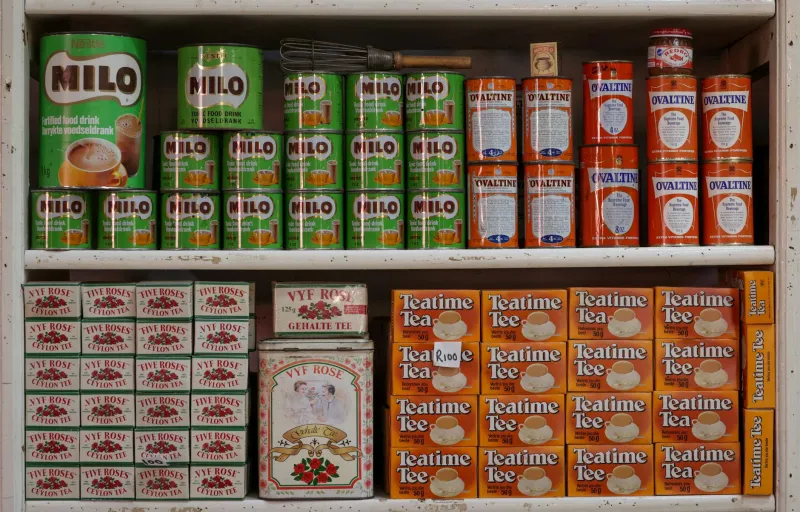
Every time you crack open a can of tomatoes or grab some canned beans for dinner, you're participating in a food revolution that started with one of history's hungriest armies. The story of how canned food conquered American kitchens begins not in some corporate boardroom, but on European battlefields where Napoleon's soldiers were literally starving their way to defeat.
The Problem That Launched a Thousand Cans
In 1795, Napoleon Bonaparte had a massive logistical nightmare on his hands. His armies were expanding across Europe, but soldiers were dropping dead from malnutrition and food poisoning faster than enemy bullets could kill them. The French military was losing wars not because of superior tactics from their enemies, but because they couldn't figure out how to keep meat and vegetables fresh during long campaigns.
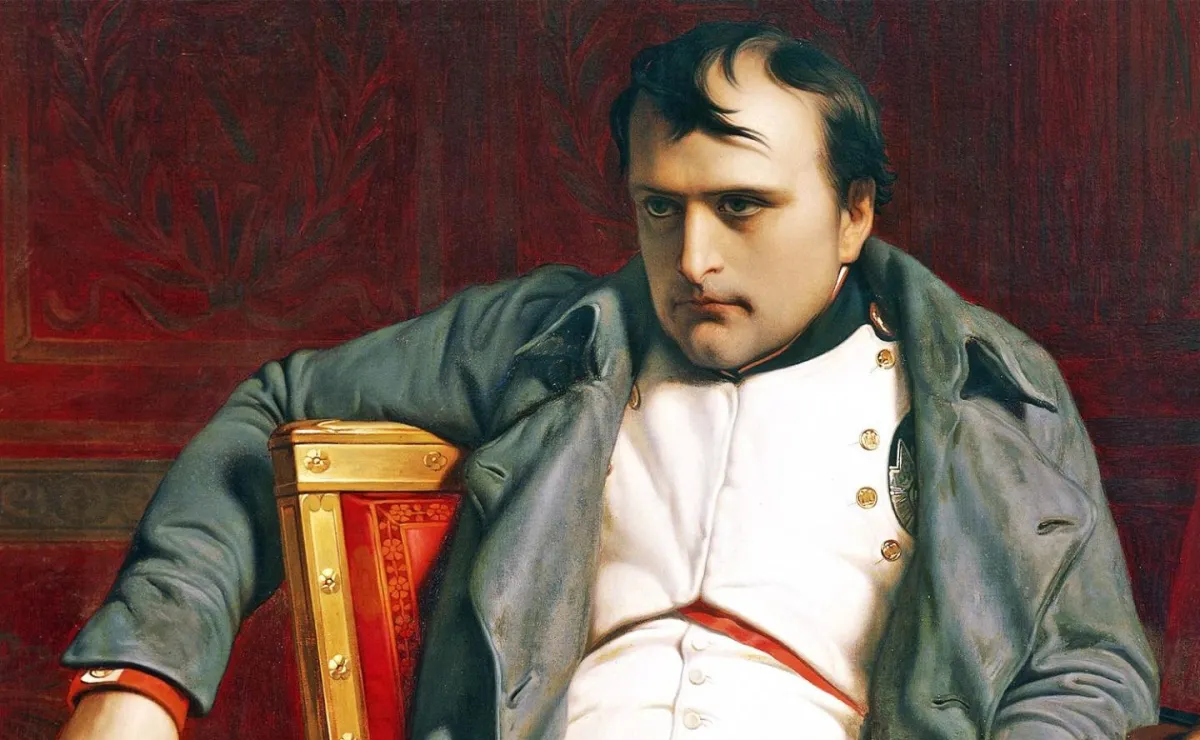 Photo: Napoleon Bonaparte, via amazing.zone
Traditional food preservation methods—salting, smoking, drying—weren't cutting it for armies that needed to march for months at a time. Salt pork got rancid, hardtack biscuits turned moldy, and fresh vegetables were basically impossible to transport. Napoleon famously declared that "an army marches on its stomach," but his stomach was empty, and his army was getting weaker by the day.
Desperate times called for desperate measures. In 1795, the French government offered a prize of 12,000 francs (roughly $250,000 today) to anyone who could figure out how to preserve food for military campaigns. It was essentially a crowdsourced solution to military hunger.
The Chef Who Cracked the Code
Nicolas Appert, a French chef and confectioner, spent the next 14 years experimenting with food preservation in his small Parisian kitchen. He tried everything—different cooking methods, various containers, multiple sealing techniques. What he eventually discovered was that food sealed in glass jars and heated in boiling water could last for months without spoiling.
 Photo: Nicolas Appert, via heaven.world
Appert didn't understand the science behind his method (germ theory wouldn't be discovered for another 50 years), but he knew it worked. He called his process "appertization," and in 1810, he finally claimed Napoleon's prize money. The French military immediately started using Appert's jarred foods to feed their armies.
But glass jars had a major problem: they broke easily during transport. Soldiers were literally eating broken glass with their preserved beef.
When British Business Met French Innovation
Peter Durand, a British merchant, saw Appert's invention and had a better idea. In 1810, he patented a method for preserving food in tin-plated iron containers instead of glass jars. These "tin canisters" (later shortened to "cans") were virtually unbreakable and much lighter than glass.
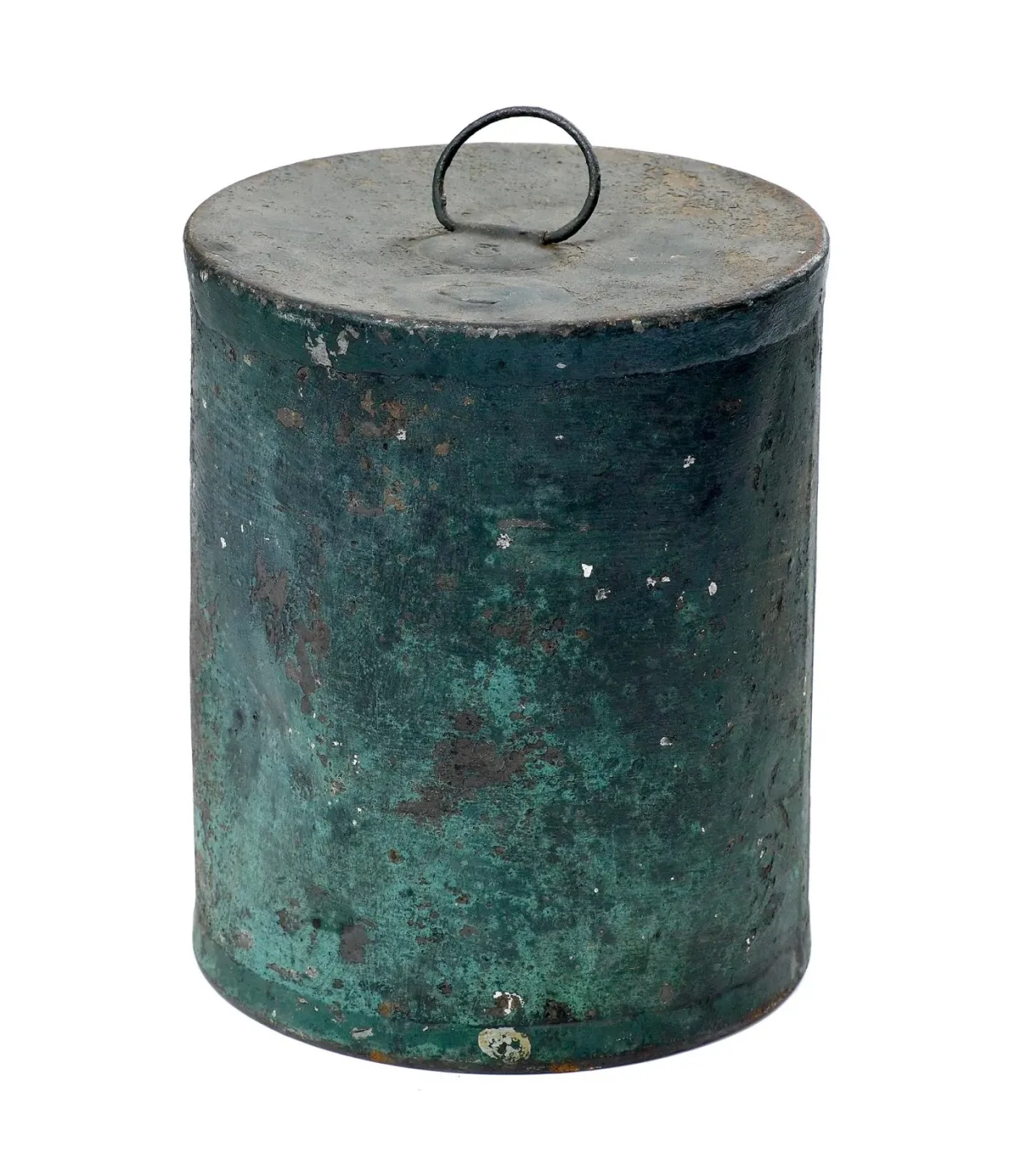 Photo: Peter Durand, via vignette.wikia.nocookie.net
Durand sold his patent to Bryan Donkin and John Hall, who opened the world's first commercial cannery in London in 1813. Their primary customer? The British Navy, which was fighting Napoleon's forces and needed their own preserved food solution.
Ironically, the food preservation method invented to feed Napoleon's armies was now being used to help defeat them.
The Slow Boat to America
Canned food didn't immediately cross the Atlantic. Early cans were expensive to produce and required special can openers (which weren't invented until 1858). Most Americans were still living on farms where fresh food was readily available, so there wasn't much demand for preserved food in metal containers.
The American canning industry really took off during the Civil War, when both Union and Confederate armies needed portable, long-lasting food for their soldiers. Companies like Borden and Campbell's got their start supplying canned milk and soup to military forces.
After the war ended, these companies had factories, equipment, and knowledge—but no more military contracts. So they turned their attention to regular American families.
How Cans Conquered the American Kitchen
The late 1800s and early 1900s saw massive changes in American life that made canned food incredibly appealing. People were moving from farms to cities, women were entering the workforce, and families wanted convenient meal solutions.
Canned food companies launched aggressive marketing campaigns promoting the safety, convenience, and nutritional value of their products. They sponsored cooking demonstrations, published recipe books, and advertised in women's magazines. Campbell's "M'm! M'm! Good!" campaign, launched in 1935, convinced millions of Americans that canned soup was both delicious and wholesome.
By the 1950s, the average American household had dozens of canned goods in their pantry. TV dinners, canned vegetables, and preserved fruits had become staples of American family life.
The Legacy of Military Hunger
Today, Americans consume roughly 20 billion cans of food annually. The global canned food market is worth over $90 billion, and the average American family keeps 60-80 canned items in their kitchen at any given time.
None of this would exist without Napoleon's hungry soldiers and a French chef who spent 14 years trying to solve their food problems. Every time you open a can of tomato sauce for pasta night or grab some canned beans for chili, you're using technology that was born from military desperation and refined through wartime necessity.
The next time you're standing in the canned goods aisle at the grocery store, remember: you're looking at the direct descendants of Napoleon's attempt to feed his army. It's a reminder that some of our most mundane daily activities have surprisingly dramatic origin stories—and that sometimes the most revolutionary changes in how we live come from trying to solve completely unrelated problems.
Who knew that military logistics could be so delicious?