The Weirdest Grocery Shopping Trip in History
John Holahan wasn't looking to revolutionize breakfast when he wandered through a Minneapolis grocery store in 1963. The General Mills product developer was just running errands, killing time between meetings, when he found himself staring at a display of circus peanuts—those orange, banana-flavored marshmallow candies that somehow exist in every American convenience store despite nobody admitting to buying them.
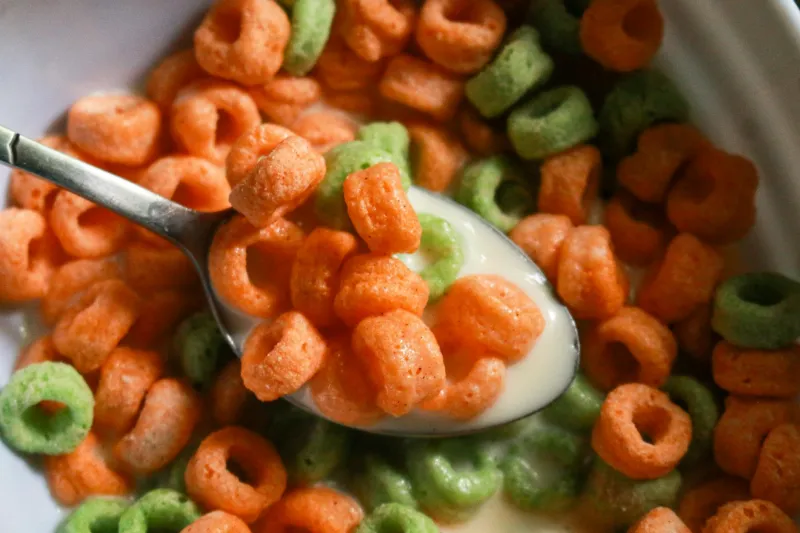
 Photo: General Mills, via clipground.com
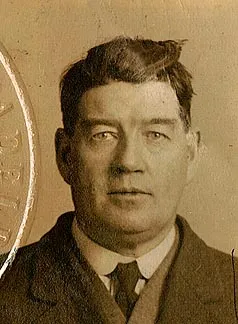 Photo: John Holahan, via images.findagrave.com
For reasons he couldn't fully explain, Holahan bought a bag.
What happened next in his kitchen would create a breakfast phenomenon that's still filling bowls across America sixty years later, and accidentally invent the entire concept of marketing cereal as candy to children.
The Kitchen Experiment Nobody Asked For
That evening, Holahan did something that sounds like the fever dream of a sugar-addicted child: he chopped up circus peanuts and mixed them with Cheerios. Not because market research suggested it. Not because focus groups demanded it. Simply because the combination seemed interesting to a curious food scientist with time on his hands.
The result was absurd. Crunchy oat circles mixed with chewy marshmallow pieces created a texture combination that shouldn't have worked. The flavor profile—wholesome grain meets artificial banana—defied every rule of breakfast food development.
But somehow, it was delicious.
Holahan brought his strange creation to work the next day, sharing it with colleagues who should have dismissed it as the random experiment it was. Instead, they recognized something revolutionary hiding in that bizarre bowl.
When Breakfast Met the Candy Aisle
General Mills had been trying to crack the children's cereal market for years. Cheerios were healthy and parent-approved, but kids found them boring. Sugar-coated cereals existed, but they were essentially regular cereals with sweetener added—not fundamentally different experiences.
Holahan's circus peanut experiment suggested a radical new approach: what if cereal wasn't just sweet, but actually contained recognizable candy pieces? What if breakfast could feel like dessert without parents feeling guilty?
The development team spent months perfecting the concept. Circus peanuts were too large and the banana flavor too overwhelming. They needed smaller, more colorful marshmallow pieces with flavors that complemented rather than competed with the cereal base.
Thus, the "marshmallow bit" was born—tiny, colorful shapes that would become as iconic as any cartoon character.
The Leprechaun Who Changed Everything
Lucky Charms launched in 1964 with a marketing strategy that was revolutionary for its boldness. Instead of appealing to parents with nutrition claims, General Mills marketed directly to children with pure fantasy. Lucky the Leprechaun promised magical marshmallows that made breakfast an adventure.
The tagline "They're magically delicious!" wasn't just advertising copy—it was a philosophical statement. Breakfast didn't need to be nutritious first and tasty second. It could be an experience, a moment of joy that happened to occur in the morning.
Parents initially resisted. Nutritionists were horrified. But children were enchanted, and their enthusiasm proved more powerful than adult skepticism. Lucky Charms became an instant hit, proving that Holahan's grocery store impulse had tapped into something fundamental about how kids wanted to start their day.
The Marshmallow Arms Race
Lucky Charms' success triggered an industry transformation that continues today. Competing cereal companies rushed to develop their own candy-cereal hybrids. Trix became fruit-flavored spheres. Fruity Pebbles emerged as tiny rainbow rocks. Count Chocula brought chocolate and monster movies to the breakfast table.
Each new entry escalated the sweetness and spectacle. Cereals began changing milk colors. Shapes became more elaborate. Cartoon mascots developed complex mythologies and catchphrases. The breakfast aisle transformed into a candy wonderland that happened to be consumed with milk.
This wasn't just product innovation—it was cultural revolution. Lucky Charms had proven that children could be treated as independent consumers with their own preferences, separate from parental approval. The concept of "kid food" as a distinct category began with Holahan's circus peanut experiment.
The Nostalgia Factory
Today, Lucky Charms occupies a unique position in American food culture. Adults who grew up with the cereal maintain emotional attachments that transcend rational nutrition considerations. College students stock it in dorm rooms. Young professionals buy it as comfort food during stressful periods. Parents who swore they'd never feed their children such sugary nonsense find themselves buying it "for the kids" while secretly enjoying bowls themselves.
This nostalgia wasn't accidental. Lucky Charms created some of the first food memories that belonged entirely to children, unfiltered by adult preferences or nutritional concerns. Those marshmallow shapes—hearts, stars, horseshoes, clovers, blue moons, rainbows, and red balloons—became symbols of childhood autonomy.
The cereal industry learned from this emotional connection, designing products specifically to create nostalgic attachments that would last decades.
The Grocery Store Prophet
John Holahan probably didn't realize he was launching a cultural shift when he bought those circus peanuts. He was just a curious food scientist following an inexplicable impulse in a grocery store aisle.
But his willingness to experiment with an absurd combination—breakfast cereal plus carnival candy—revealed something profound about American food culture. We were ready for breakfast to be fun rather than just functional. We wanted morning routines that sparked joy rather than simply providing nutrition.
Every time a child picks the marshmallows out of their Lucky Charms (a ritual as American as baseball), they're participating in the legacy of Holahan's grocery store wandering. His moment of curiosity about circus peanuts became a permanent part of how America thinks about breakfast, childhood, and the relationship between food and happiness.
Sometimes the most transformative ideas don't come from boardroom brainstorming or market research focus groups. Sometimes they come from wandering through a grocery store with an open mind and a willingness to try combinations that make absolutely no sense—until suddenly, they make perfect sense to millions of people pouring milk over their morning bowls.