From Ancient Tree Sap to Baseball Stadium Ritual: The Wild Story Behind America's Chewing Habit
Right now, millions of Americans are unconsciously working their jaws, chomping on a substance that connects them to ancient Mayan priests, failed 19th-century inventors, and a Mexican general who never intended to change how people use their mouths. The story of how chewing gum became as American as apple pie is way stranger than the pink blob stuck under your desk.
When Chewing Was Sacred
Two thousand years before Americans started blowing bubbles at baseball games, Mayan civilizations in Central America were harvesting sap from sapodilla trees. They called this sticky, sweet substance "chicle," and it wasn't just a snack—it was part of their spiritual and social rituals.
Mayan priests chewed chicle during religious ceremonies, believing it helped them communicate with the gods. Regular citizens used it to clean their teeth, freshen their breath, and satisfy hunger during long hunts. For the Maya, chewing tree sap was as normal as drinking water.
When Spanish conquistadors arrived in the 16th century, they observed this strange chewing habit but dismissed it as another "primitive" indigenous practice. Europeans were too busy stealing gold and spreading disease to pay attention to what people were putting in their mouths.
The chicle tradition continued quietly in Mexico and Central America for centuries, completely unknown to the rest of the world. Nobody could have predicted that this ancient practice would eventually become a billion-dollar American industry.
The General Who Brought Gum to New York
In 1869, Antonio López de Santa Anna—the same Mexican general who led the attack on the Alamo—was living in exile on Staten Island. Santa Anna had been overthrown (again) and was desperately trying to figure out how to fund his return to power in Mexico.
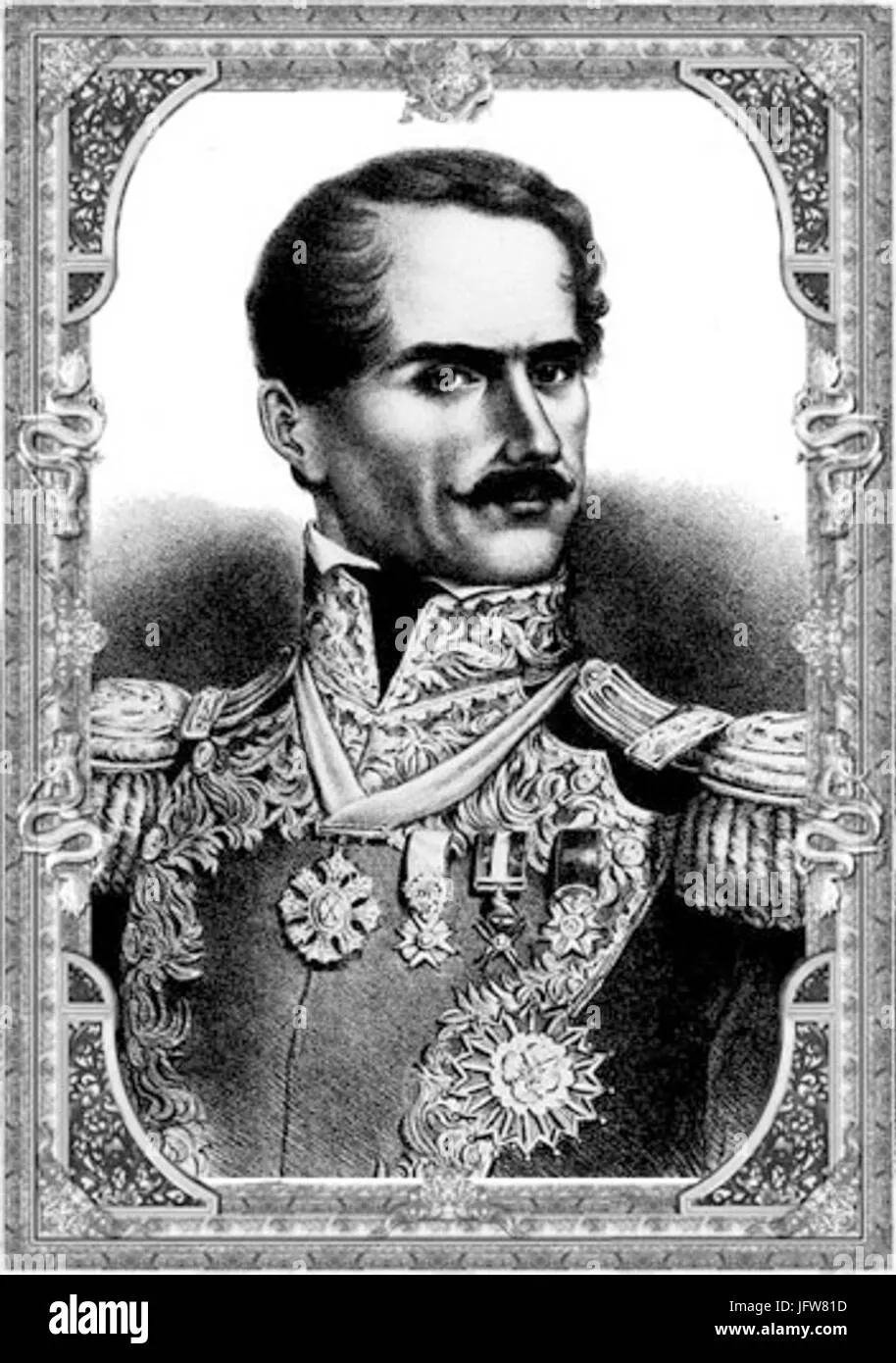 Photo: Antonio López de Santa Anna, via c8.alamy.com
The exiled general had brought with him a large supply of chicle, which he chewed constantly out of habit. Santa Anna had heard that Americans were struggling to find a cheap substitute for rubber, which was expensive to import and difficult to manufacture. He thought chicle might be the answer.
Santa Anna approached Thomas Adams, a local inventor and photographer, with a business proposition. What if they could turn Mexican tree sap into American rubber? Adams was intrigued by the idea and agreed to experiment with Santa Anna's chicle supply.
 Photo: Thomas Adams, via alchetron.com
For months, Adams tried everything—heating the chicle, mixing it with chemicals, pressing it into different shapes. He attempted to make rubber boots, toys, and bicycle tires. Nothing worked. The chicle was too soft to replace rubber for any practical purpose.
After burning through Santa Anna's entire chicle supply and his own savings, Adams was ready to throw in the towel. The Mexican general had already given up and returned to Mexico, leaving Adams with a workshop full of failed experiments and a head full of regrets.
The Lightbulb Moment in a Drugstore
One day in 1871, Adams was standing in a New York drugstore, probably feeling pretty sorry for himself, when he overheard a little girl asking the shopkeeper for some paraffin wax to chew. Paraffin chewing was a popular habit among children at the time—it was cheap, flavorless, and gave kids something to do with their mouths.
Suddenly, Adams remembered how Santa Anna had constantly chewed chicle during their business meetings. The Mexican general hadn't been chewing it to solve any problem—he'd been doing it because it tasted good and felt satisfying.
Adams rushed back to his workshop and began experimenting with chicle again, but this time he wasn't trying to make rubber. He was trying to make something people would want to chew.
The Birth of American Chewing Gum
Adams' first commercial chewing gum was basically just plain chicle rolled into small balls. He called it "Adams New York Chewing Gum" and convinced a local drugstore to sell it for a penny per piece. The gum had no flavor—it was just the natural, mildly sweet taste of tree sap.
To Adams' surprise, the gum sold out immediately. Kids and adults alike were fascinated by this new chewing experience. Unlike paraffin wax, chicle actually had flavor. Unlike tobacco (which many people chewed at the time), it didn't require spitting. It was the perfect mindless activity.
Encouraged by this success, Adams began experimenting with flavors. In 1875, he created the first flavored chewing gum by adding licorice extract to chicle. "Black Jack" gum became wildly popular and remained in production for over 100 years.
How Gum Became an American Obsession
Other entrepreneurs quickly jumped on the chewing gum bandwagon. William Wrigley Jr. started selling soap and baking powder, but gave away free chewing gum with each purchase. When customers started asking for just the gum, Wrigley pivoted his entire business model.
Wrigley's marketing genius was understanding that gum wasn't just a product—it was a habit. His company launched massive advertising campaigns promoting chewing gum as a way to relieve stress, improve concentration, and maintain oral hygiene. During World War I, Wrigley sent free gum to American soldiers, creating a generation of gum-chewing veterans.
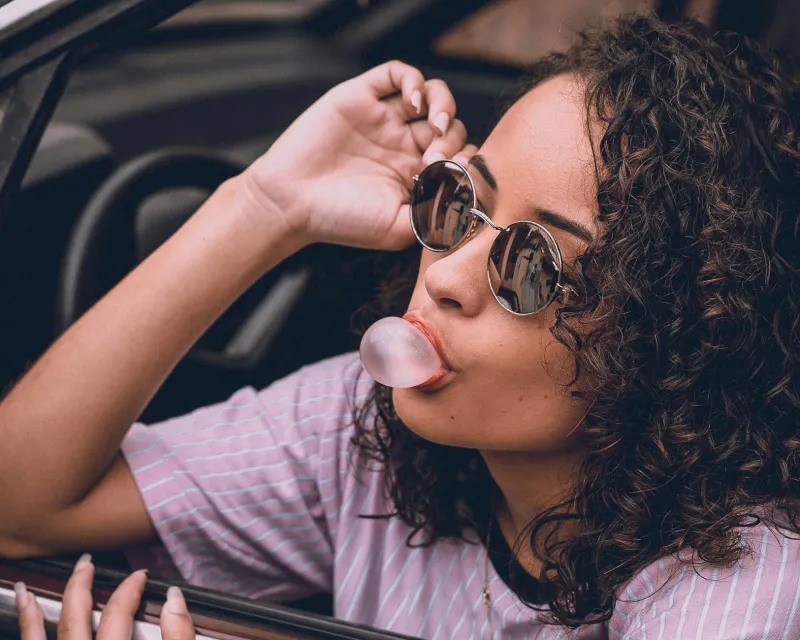
The introduction of bubble gum in 1928 added a playful element that made chewing gum especially appealing to children. Baseball players started chewing gum during games (partly to keep their mouths moist in dusty stadiums), and the association between gum and America's pastime became permanent.
By the 1950s, Americans were consuming more chewing gum per capita than any other country in the world. The average American chewed 300 sticks of gum annually.
From Sacred Ritual to Sidewalk Nuisance
Today, the global chewing gum market is worth over $19 billion annually, with Americans still leading the world in gum consumption. We chew gum to freshen breath, relieve stress, improve focus, and simply because we're bored. It's become such an unconscious habit that most people don't even realize they're doing it.
Ironically, modern chewing gum contains very little actual chicle. Most commercial gums are made from synthetic rubber bases and artificial flavors. The ancient Mayan tradition of chewing tree sap has been industrialized, processed, and stripped of its spiritual significance.
But the basic human impulse remains the same. Whether you're a Mayan priest preparing for a religious ceremony or a stressed-out office worker trying to get through a boring meeting, there's something deeply satisfying about working your jaw muscles and experiencing flavor without actually eating anything.
The Stickiest Legacy
The next time you unwrap a piece of gum, remember that you're participating in a ritual that's older than Christianity. That mindless chewing connects you to ancient civilizations, failed inventors, exiled generals, and clever marketers who figured out how to turn a tree's defense mechanism into one of humanity's most persistent habits.
It's remarkable that something so simple—chewing without swallowing—could have such a complex and surprising history. From sacred Mayan ceremonies to modern baseball dugouts, chewing gum has somehow managed to stick around (pun intended) for over 2,000 years.
And yes, Santa Anna never did get his political comeback. But his chicle chewing habit accidentally created an industry that outlasted his entire political career. Sometimes the most lasting legacies come from the things we do without thinking.