The Butcher Who Accidentally Invented Year-Round Strawberries
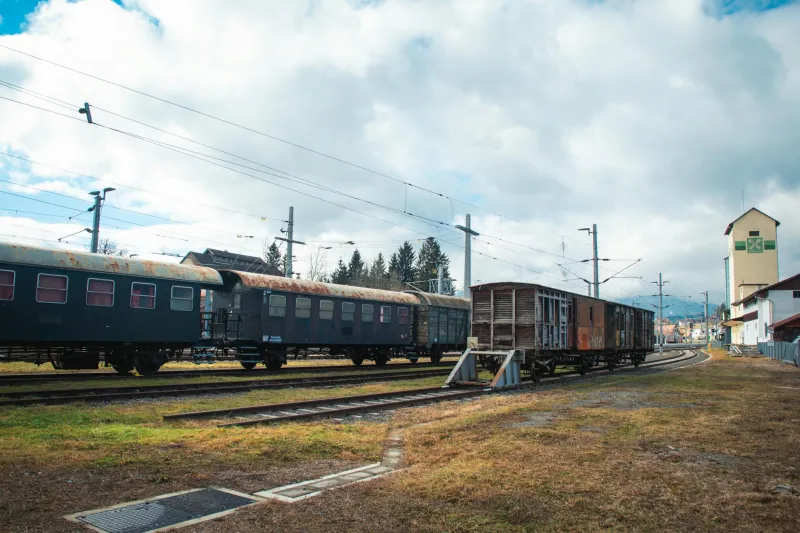
The Problem That Started It All
In 1877, if you lived in New York and wanted fresh beef, you were paying for a lot more than meat. You were paying for the entire cow to travel by train from Chicago—bones, hide, organs, and all. Only about 60% of that animal was actually edible, but you shouldered the shipping costs for every pound.
Gustavus Swift, a sharp-eyed butcher from Detroit who'd moved to Chicago's bustling stockyards, saw this waste and smelled opportunity. Why ship whole carcasses when you could butcher the animals in Chicago and send only the good cuts east? It seemed obvious—except for one massive problem that had stumped everyone else.
Meat spoils. Fast.
Ice, Sweat, and Stubborn Determination
Swift's first attempts were disasters. He tried packing dressed beef in ice-filled boxcars, but the ice melted before the trains reached their destinations. The meat arrived rotten, and eastern buyers wanted nothing to do with "Chicago beef" that showed up green and smelling.
Most businessmen would have given up. Swift doubled down.
He started experimenting obsessively with different car designs, insulation methods, and ice placement. His breakthrough came when he realized the problem wasn't just keeping things cold—it was controlling airflow. Swift designed railcars with ice compartments at both ends and a ventilation system that circulated cold air around the hanging meat.
The result? Fresh beef that arrived in New York looking and tasting like it had been butchered that morning.
The Birth of the Cold Chain
By 1881, Swift had revolutionized meat shipping. His refrigerated railcars—"reefers" as railroad workers called them—were rolling across the country, delivering fresh beef at prices that undercut local butchers by 30%.
But Swift's innovation had created something much bigger than a better way to ship steaks. He'd accidentally invented what we now call the "cold chain"—the unbroken sequence of refrigerated storage and transport that keeps food fresh from farm to table.
Other entrepreneurs quickly realized that if you could ship fresh meat across the country, you could ship anything perishable. Within a decade, refrigerated railcars were carrying fresh milk from Wisconsin dairies to New York breakfast tables, Florida oranges to Minnesota grocery stores, and California lettuce to Chicago restaurants.
From Slaughterhouse Innovation to Supermarket Revolution
Swift's refrigerated transport system didn't just change what Americans ate—it changed where they could live and how their economy worked. Before the 1880s, cities were limited by how much fresh food could be produced within a day's wagon ride. Swift's cold chain broke that constraint.
Sudenly, New York could grow to millions of people because fresh food could travel from anywhere in the country. Farmers in California could specialize in crops that would never survive a cross-country journey without refrigeration. Small towns in the Midwest could ship their dairy products to big-city markets hundreds of miles away.
The modern American grocery store—where you can buy fresh strawberries in January and Florida oranges in Minnesota—traces its roots directly back to that stubborn Chicago meatpacker who refused to ship whole carcasses.
The Ripple Effects Nobody Saw Coming
Swift's refrigerated railcars set off a chain reaction that reshaped American life in ways he never imagined.
Restaurants could offer diverse menus year-round instead of being limited to local, seasonal ingredients. Food companies could build national brands because they could distribute fresh products coast to coast. Even American eating habits changed—fresh salads became common in winter, and exotic fruits from distant states appeared in small-town general stores.
The technology also enabled the rise of food processing giants. Companies like Heinz, Kraft, and General Foods built their empires on the foundation Swift had laid, using refrigerated transport to move their products from centralized factories to markets nationwide.
The Legacy in Your Shopping Cart
Next time you grab fresh berries in February or pick up milk that was produced three states away, remember Gustavus Swift. That Chicago butcher's cost-cutting obsession accidentally created the infrastructure that stocks your local supermarket.
Swift thought he was just solving a simple business problem—how to ship beef more cheaply. Instead, he invented the system that allows 330 million Americans to eat fresh food regardless of season or geography. His refrigerated railcars became the invisible foundation of modern American food culture.
All because one stubborn businessman refused to pay shipping costs for bones and hide he was just going to throw away anyway.