The Accidental Discovery That Changed Everything
Joseph Priestley wasn't trying to revolutionize American drinking habits when he moved next door to a Leeds brewery in 1767. The English minister and amateur scientist was simply fascinated by the peculiar layer of gas that hung over the fermenting beer vats. What he discovered in his makeshift laboratory would eventually fill every American convenience store cooler and transform how an entire nation quenched its thirst.
Priestley's experiments were born from pure curiosity. He noticed that candles wouldn't stay lit in the mysterious gas hovering above the brewery's fermentation tanks. Instead of dismissing this oddity, he decided to capture some of the gas and see what happened when he dissolved it in water. The result was the world's first artificially carbonated water — though Priestley had no idea he'd just laid the foundation for Coca-Cola, Pepsi, and the American soft drink empire.
From Scientific Curiosity to Medical Marvel
The English scientist initially viewed his fizzy water creation through an 18th-century medical lens. He believed carbonated water might prevent scurvy on long sea voyages, a theory that earned him the Royal Society's Copley Medal in 1773. The British Navy briefly experimented with Priestley's carbonated water, though sailors weren't exactly thrilled with the taste.
What Priestley couldn't have predicted was how his laboratory accident would cross the Atlantic and take root in American soil. The timing was perfect — America was still finding its cultural identity, and this new beverage offered something distinctly different from traditional European drinks like wine and beer.
The American Transformation
By the early 1800s, American entrepreneurs had seized on Priestley's discovery and begun adding flavors to carbonated water. Pharmacists started mixing carbonated water with medicinal syrups, creating the first flavored sodas. These early concoctions were sold as health tonics, promising to cure everything from headaches to indigestion.
The real breakthrough came with the invention of soda fountains in American pharmacies. These ornate contraptions became social gathering places, especially in small towns where the local drugstore soda fountain served as an unofficial community center. Young people courted over ice cream sodas, families celebrated special occasions with flavored fizzy drinks, and the carbonated beverage slowly wove itself into the fabric of American social life.
The Birth of an Industry
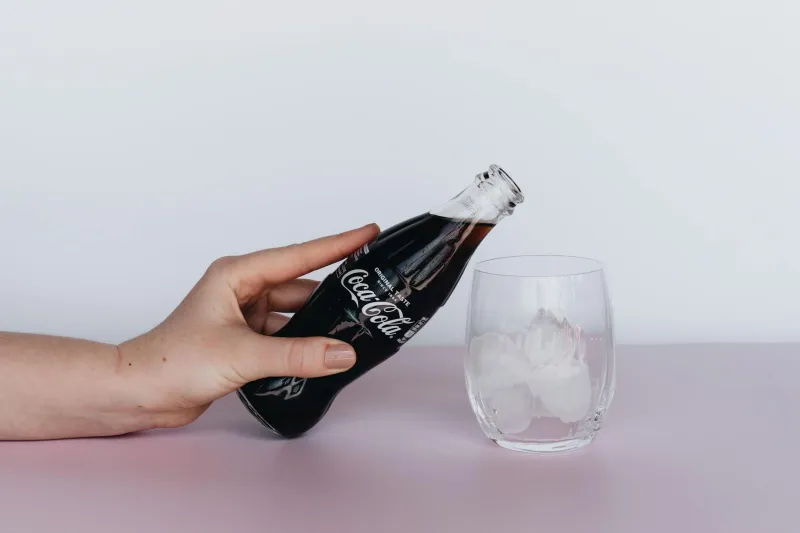
Priestley's accidental discovery truly exploded into American culture when entrepreneurs like John Pemberton began creating signature syrup formulations. Pemberton's 1886 creation — originally marketed as a patent medicine — would become Coca-Cola. Caleb Bradham followed with Pepsi-Cola in 1893. These weren't just drinks; they were uniquely American brands that captured the nation's optimistic, innovative spirit.
The carbonation that Priestley discovered by accident became the defining characteristic that separated American soft drinks from anything else in the world. While other cultures had flavored beverages, the distinctive fizz became synonymous with American refreshment culture.
How Fizz Became America's Signature
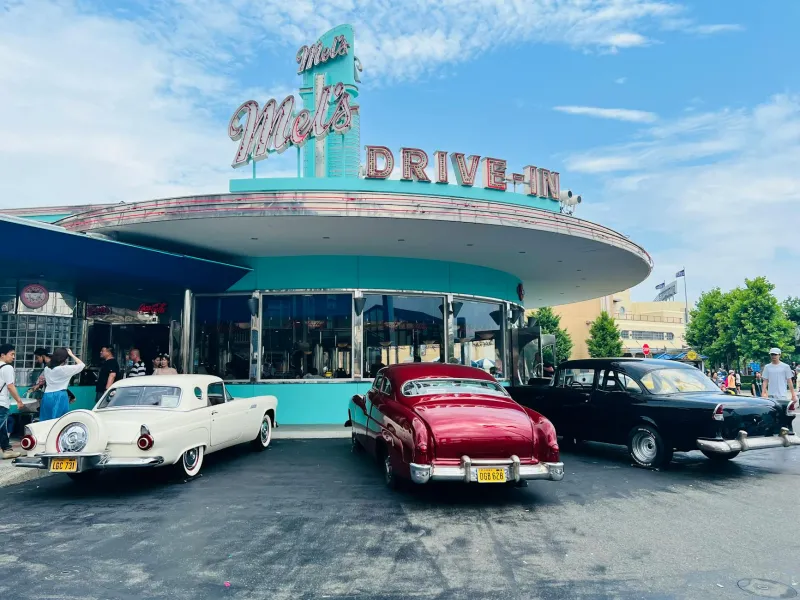
By the mid-20th century, carbonated soft drinks had become deeply embedded in American identity. Drive-in restaurants, movie theaters, and baseball stadiums all centered their beverage offerings around fizzy drinks. The "soda jerk" became an iconic American job, and phrases like "pop" and "soda" entered regional dialects across the country.
What started as one curious scientist's investigation into brewery gases had evolved into a cultural phenomenon worth hundreds of billions of dollars annually. Americans consume more carbonated beverages per capita than any other nation — a direct descendant of Priestley's 1767 experiment.
The Unintended Legacy
Today, when Americans reach for a Coke, Pepsi, or any carbonated beverage, they're participating in a tradition that began with a minister's scientific curiosity about beer fermentation. Priestley never intended to create an industry, establish a cultural ritual, or influence how an entire nation would drink.
His discovery reminds us how the most transformative innovations often emerge from unexpected places. A simple question about mysterious gases floating over beer vats eventually reshaped American social life, created countless jobs, and established one of the country's most recognizable cultural exports. Sometimes the biggest revolutions start with the smallest curiosities.