The Grocery Store Spice Rack's Most Mysterious Resident: How Black Pepper Once Paid Rent, Ransoms, and Royal Debts
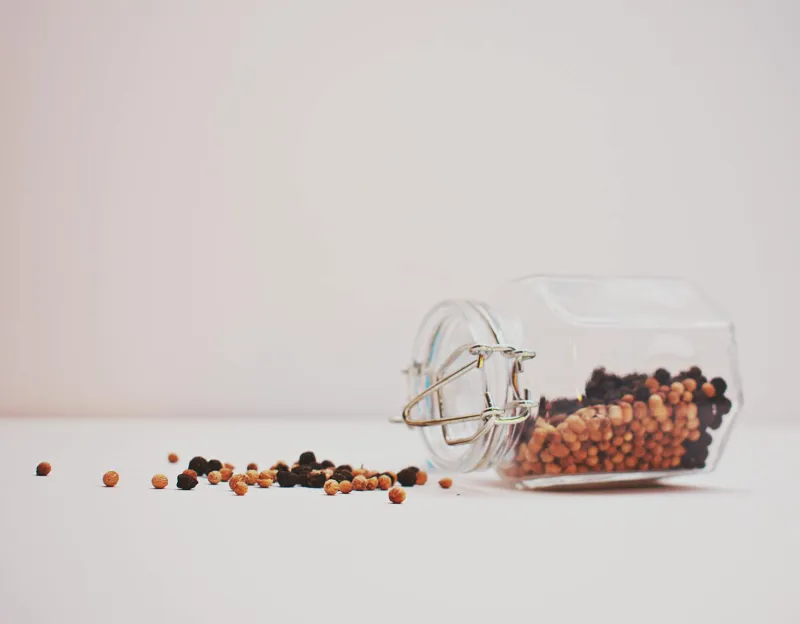
Walk into any American diner, and you'll find it sitting there next to the salt—a humble black shaker filled with tiny, wrinkled spheres that most of us barely think about. We sprinkle it on eggs, crack it over salads, and take it completely for granted. But rewind the clock a thousand years, and that same black pepper would have been locked away in royal treasuries, guarded like gold bars.
In medieval Europe, black pepper wasn't just a seasoning—it was money. Real, actual currency that could pay your rent, settle your debts, or even ransom an entire city.
When Spice Was Literally Worth Its Weight in Gold
The phrase "worth its weight in gold" wasn't just a figure of speech when it came to black pepper. In 14th-century Europe, a pound of pepper could cost the same as a skilled craftsman's entire monthly wage. To put that in perspective, imagine paying $4,000 for a small bag of seasoning today.
This wasn't some artificial inflation scheme—it was simple geography and economics. Black pepper grows exclusively in the tropical regions of southern India, specifically along the Malabar Coast. Getting those tiny peppercorns from Indian spice gardens to European dinner tables meant surviving a journey that could take two years and cross three continents.
Merchants had to navigate monsoons in the Indian Ocean, negotiate with dozens of middlemen across the Middle East, and hope their cargo ships didn't sink in Mediterranean storms. Every step of the journey added costs, and every middleman took their cut. By the time pepper reached London or Paris, it had been bought and sold so many times that its price had multiplied exponentially.
The Rent You Could Pay with Peppercorns
Here's where things get really wild: medieval landlords regularly accepted pepper as rent payment. Legal documents from 13th-century England show tenants paying their annual rent with a pound of pepper instead of silver coins. The phrase "peppercorn rent"—still used today to describe a nominal payment—comes directly from this practice.
But pepper wasn't just convenient currency for everyday transactions. When Attila the Hun besieged Rome in 408 AD, his ransom demands included 3,000 pounds of pepper alongside gold and silk. Think about that for a moment: one of history's most feared military leaders specifically demanded spice as part of his payment for not destroying the Roman Empire.
Wealthy families kept their pepper in locked spice boxes, often made of precious metals and secured with elaborate mechanisms. These weren't kitchen storage—they were medieval safety deposit boxes. Pepper theft was a serious crime, sometimes punishable by death.
The Trade Routes That Built Empires
The desire for black pepper literally shaped world history. Venice became one of Europe's most powerful city-states primarily because it controlled Mediterranean pepper trade routes. Venetian merchants became fabulously wealthy by acting as middlemen between Asian spice producers and European consumers.
This monopoly was so profitable that other European powers spent fortunes trying to break it. Portugal's entire Age of Exploration was essentially a pepper quest—Vasco da Gama's famous voyage around Africa to reach India was specifically designed to bypass Venetian middlemen and access pepper directly from the source.
When Portuguese ships finally reached the Malabar Coast in 1498, they found pepper growing so abundantly that local farmers used it as casual trade currency. What Europeans treated as precious treasure was literally growing on trees in someone else's backyard.
How America Changed Everything
The pepper trade began its transformation when European colonization of the Americas introduced new crops to global markets. Suddenly, Europe had access to tomatoes, potatoes, corn, and dozens of other foods that were both cheaper and more nutritious than expensive Asian spices.
Simultaneously, improved shipping technology and the establishment of direct colonial trade routes dramatically reduced pepper's transportation costs. What once required a two-year journey through dozens of middlemen could now be accomplished in months with direct ship routes.
By the time America was establishing its own trade relationships in the 18th and 19th centuries, pepper had transitioned from luxury currency to common seasoning. American merchants, particularly those from Salem, Massachusetts, made fortunes importing pepper directly from Sumatra, but they were selling it to grocery stores, not royal treasuries.
The Diner Table Revolution
The final transformation happened in 20th-century America with the rise of mass food production and distribution. Companies like McCormick began packaging pepper in convenient consumer-sized containers, and restaurants started placing salt and pepper shakers on every table as standard practice.
What had once been a symbol of wealth and status became so ordinary that we literally give it away for free in restaurants. The medieval king who paid a fortune for a pinch of pepper would be astonished to walk into a modern diner and find unlimited pepper available to anyone who asks.
The Forgotten Fortune in Your Kitchen
Next time you reach for that black pepper shaker, remember: you're holding the remnants of a spice that once toppled governments, launched exploration voyages, and served as currency for kings. Those tiny black specks paid medieval rent, settled royal debts, and built some of history's greatest trading empires.
It's a perfect reminder that the most ordinary things in our daily lives often have the most extraordinary backstories—we just stopped paying attention to them along the way.