You're Still Speaking Farmer: How America's Agricultural Past Quietly Took Over the English Language
You're Still Speaking Farmer: How America's Agricultural Past Quietly Took Over the English Language
Here's a small experiment. In the next 24 hours, count how many times you hear someone say they're trying to "get to the root of" a problem, that a project is "bearing fruit," that a colleague has "gone to seed," or that a new idea needs time to "take root." Odds are, you'll lose count before lunch.
We live in one of the most urbanized societies in human history. The majority of Americans have never planted a crop, harvested a field, or watched a season turn from the perspective of someone whose livelihood depended on it. And yet, we still speak almost entirely in the language of people who did.
The connection between American English and agricultural life runs deeper than most people realize — and tracing these phrases back to their literal roots (there it is already) reveals just how profoundly farming shaped the way this country thinks and communicates.
Getting to the Root of It
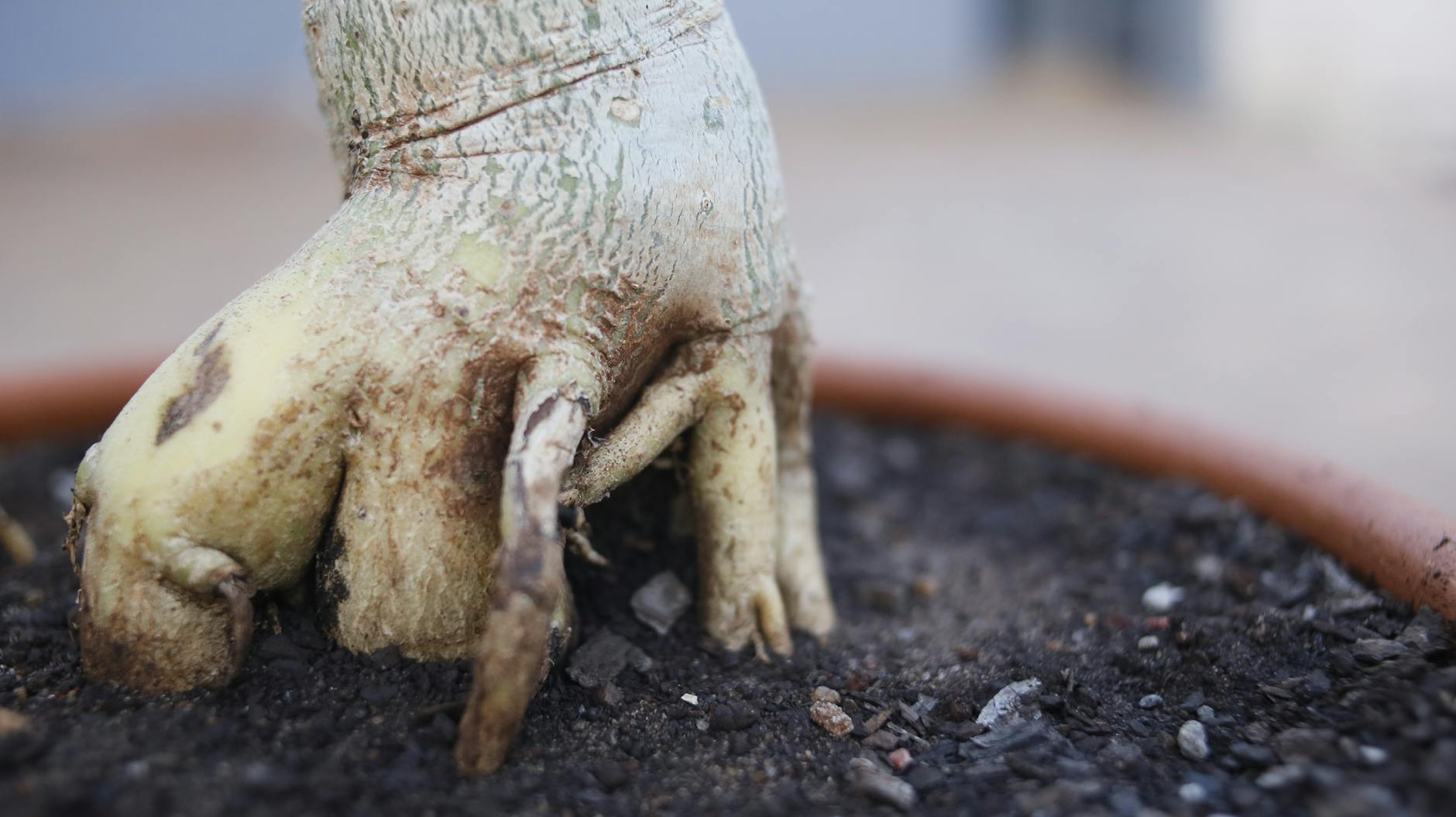
Start with the most obvious one. When someone says they want to "get to the root of the problem," they're reaching for a metaphor that would have been completely literal to any farmer in early America.
For agricultural communities, roots were everything. A plant's health, resilience, and productivity all depended on what was happening underground — the part you couldn't easily see. A crop that looked fine on the surface might be rotting at the root, and identifying that hidden problem early was the difference between a harvest and a loss.
The phrase migrated into general use sometime in the 18th and 19th centuries as America's farming population began shifting toward towns and cities. The literal meaning faded, but the logic of the metaphor — that the real cause of something lies beneath the visible surface — was too useful to abandon.
Bearing Fruit and Going to Seed
These two phrases are essentially mirror images of each other, and both come straight from the orchard and the field.
"Bearing fruit" originally described exactly what it sounds like: a tree or vine producing its harvest. For farmers, a plant that bore fruit was one that had fulfilled its purpose — it had taken in water and sunlight and soil nutrients and converted all of that investment into something tangible and valuable. When the phrase shifted to describe human efforts — a business strategy "bearing fruit," a research project finally "bearing fruit" — it carried all of that same logic. Something worked. The investment paid off.
"Going to seed" tells the opposite story. When a vegetable plant bolts and goes to seed, it's redirecting its energy away from producing the edible parts toward reproduction — essentially giving up on being useful and focusing on survival. A lettuce that's gone to seed is bitter, tough, and past its prime. Farmers recognized this as the moment a plant had passed its productive peak, and the phrase naturally extended to describe people or institutions that had similarly lost their edge.
Turnover, Yield, and the Bottom Line
Some agricultural phrases have disguised themselves so thoroughly in modern business language that their farm origins are almost unrecognizable.
"Yield" is a perfect example. Today it's a financial term — bond yields, crop yield reports in commodity markets, yield on investment. But its original meaning was purely agricultural: the amount a field produced in a given season. Early American farmers calculated yield obsessively because it determined whether their families ate well or went hungry. When the word migrated into commerce and finance, it brought that same core meaning with it — how much did you get out of what you put in?
"Turnover" has a similar story. In farming, turning over the soil — literally plowing and aerating the earth between growing seasons — was essential preparation for the next planting. The concept of regular renewal and replenishment, of clearing out the old to make room for the new, translated naturally into business contexts describing how quickly inventory moves or how frequently a workforce changes.
Planting Seeds, Cultivating Ideas
Some of the most persistent agricultural metaphors in American English involve the act of planting itself.
"Planting a seed" to describe introducing an early idea is so common it barely registers as a metaphor anymore. But the original logic was precise: a seed requires time, the right conditions, and patience before it becomes anything visible. Early farmers understood that the most important work often happened before there was anything to show for it. That insight — that small, invisible beginnings lead to significant outcomes — proved universally applicable far beyond agriculture.
"Cultivating" a relationship, a skill, or an interest carries the same DNA. To cultivate a field wasn't a single action but an ongoing process of tending, adjusting, and protecting something over time. The word implies sustained effort and attention rather than a one-time intervention, which is exactly why it works so well when applied to human relationships and personal development.
The Farm in the Rearview Mirror
By 1920, for the first time in American history, more people lived in cities than in rural areas. The generational shift away from farming life accelerated dramatically through the 20th century. Today, less than 2% of the American population works in agriculture.
And yet the language of the farm didn't disappear with the farmers. It embedded itself so deeply into everyday American speech that it became invisible — just the way people talk, rather than a set of borrowed metaphors from a vanishing way of life.
There's something worth pausing on there. Every time you talk about "uprooting" yourself to move somewhere new, "pruning" your schedule, "harvesting" data, or letting an idea "germinate," you're drawing on centuries of agricultural knowledge that most Americans no longer have any direct connection to.
The farm may be in the rearview mirror. But apparently, it's still doing the talking.